
Is Breakfast Really the Most Important Meal of the Day?
The phrase is marketing, not physiology. What the research says is more useful, and more interesting, than either side of the argument admits.
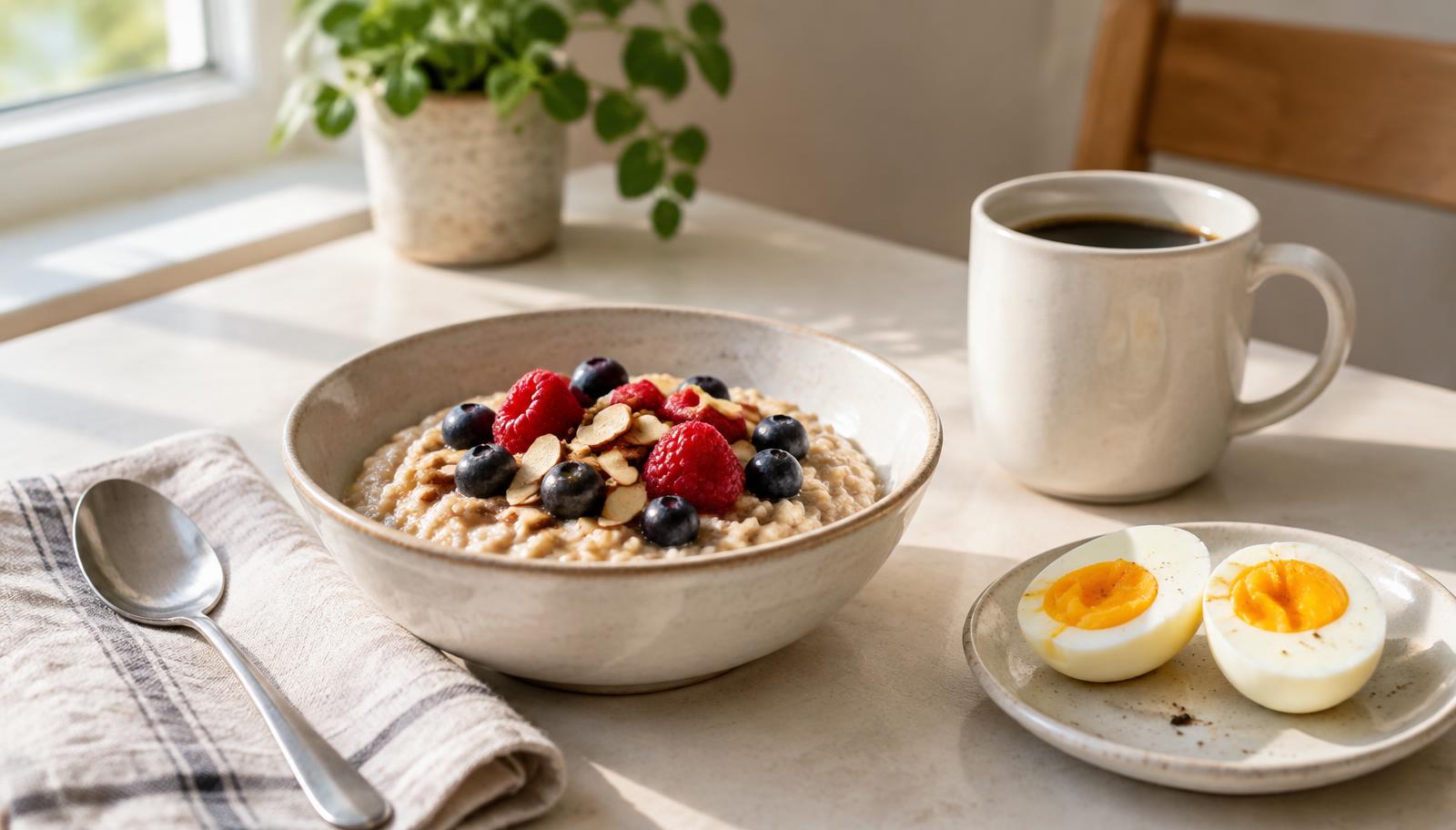
No. Breakfast is not the most important meal of the day, and the phrase itself is closer to advertising copy than physiology. Randomized trials that add breakfast to people's routines do not produce weight loss, and trials that remove it do not wreck metabolism. What the evidence does support is narrower and more practical: eating in the morning tends to help people who are already hungry, who need steady energy for physical or mental work, or who otherwise end up eating badly later. If you feel fine skipping it, you are not sabotaging anything.
The claim, and where it came from
The phrase has a traceable commercial history. Cereal was invented as health reform food in Battle Creek, Michigan, where John Harvey Kellogg ran a Seventh-day Adventist sanitarium and promoted bland grain-based breakfasts. Kellogg's associate Lenna Cooper is widely credited with putting the sentiment in print in the 1910s, and by 1944 General Foods was running a national advertising campaign for Grape-Nuts built on the idea that breakfast was essential, complete with a slogan pushing Americans to eat a good one before work.
The other half of the American breakfast plate was also sold. In the 1920s the publicist Edward Bernays, working for Beech-Nut Packing Company, surveyed physicians about whether a hearty breakfast was advisable and then publicized the results, an early and now famous piece of PR strategy that helped establish bacon and eggs as the default. None of that makes breakfast bad. It does mean the slogan predates the science by decades.
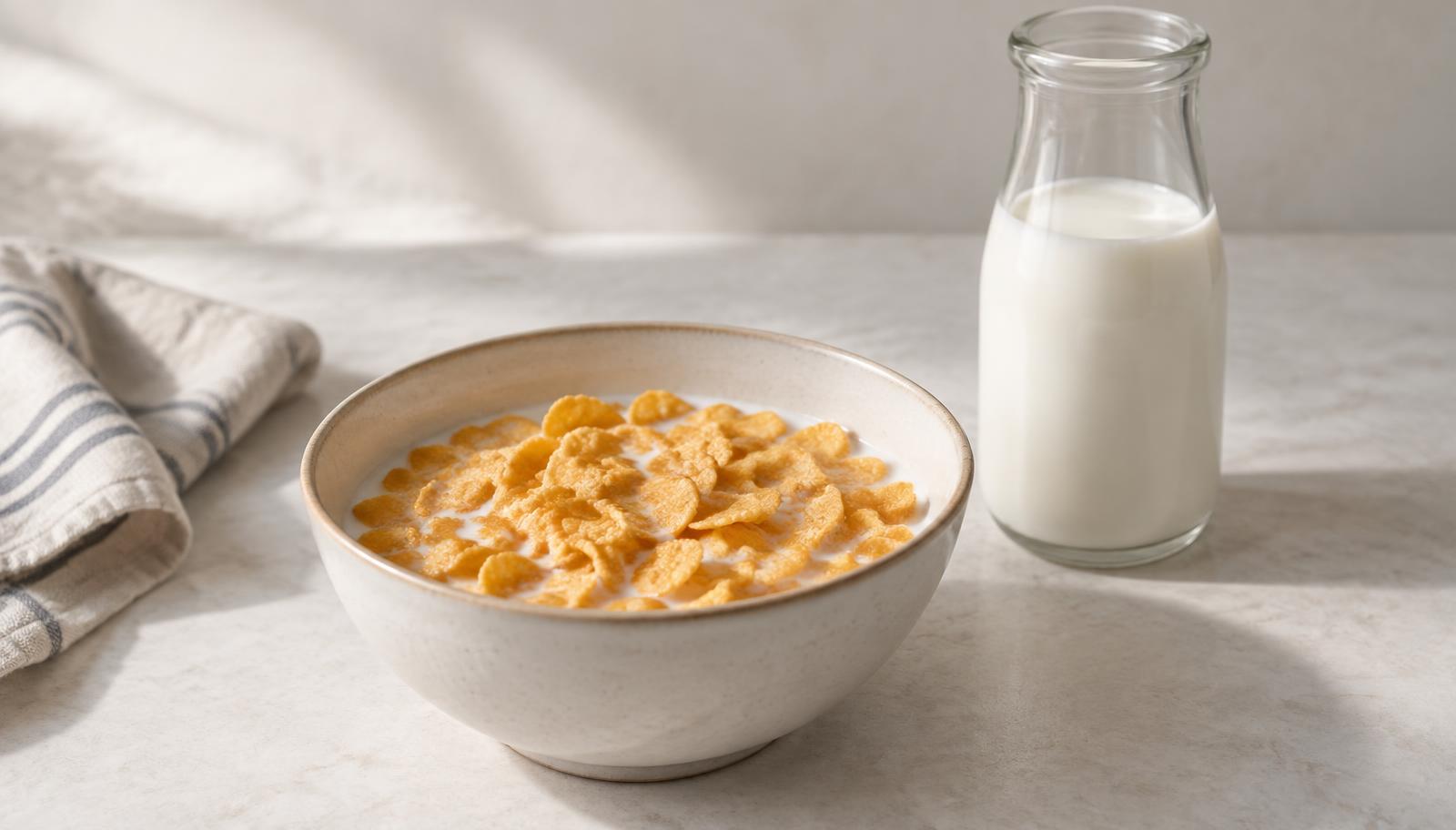
What the evidence actually shows
Observational studies consistently find that people who eat breakfast weigh less and have better diet quality. That correlation is real, and it is also where most of the confusion starts. Breakfast eaters differ from breakfast skippers in dozens of ways: they smoke less, drink less, sleep more regularly, and are more likely to have a job with a predictable morning. Untangling the meal from the lifestyle requires randomizing people, which researchers have now done.
A systematic review and meta-analysis published in The BMJ in 2019 pooled randomized trials on breakfast and body weight and concluded that adding breakfast was not an effective strategy for weight loss, and that breakfast eaters in the trials tended to consume more total calories per day, not fewer [1](https://doi.org/10.1136/bmj.l42). The authors were careful about the limits: the trials were mostly short and the evidence quality low to moderate. But the direction is clear enough to retire the confident version of the claim.
The Bath Breakfast Project at the University of Bath ran the most interesting controlled version of this question, assigning adults to daily breakfast or extended morning fasting for six weeks while measuring energy balance in detail. Eating breakfast did not slow anyone's metabolism or trigger compensatory overeating later, but it also did not create a deficit, because breakfast eaters simply added calories and offset them with more spontaneous morning activity [2](https://doi.org/10.3945/ajcn.114.083402). That last part is a genuinely useful finding: people move more after eating in the morning without deciding to.
| Claim about breakfast | What the evidence supports | Status |
|---|---|---|
| Skipping breakfast slows your metabolism | Controlled trials found no reduction in resting metabolic rate from morning fasting | Not supported |
| Adding breakfast causes weight loss | Randomized trials show no weight loss, and often slightly higher total intake | Not supported |
| Breakfast eaters are healthier on average | Consistent in observational data, heavily confounded by lifestyle | True but misleading |
| Breakfast improves morning cognitive performance in children | Reasonably consistent evidence, strongest in undernourished kids | Supported |
| A protein-rich breakfast reduces later hunger | Repeatedly shown in appetite trials, effect size varies | Supported |
| A big breakfast burns more calories than a big dinner | A controlled crossover trial found no difference in energy expenditure, only in appetite | Not supported |
| Skipping breakfast is dangerous for everyone | Depends entirely on the person, medication, and what happens later in the day | It depends |
The surprising part: the big breakfast trick does not work the way you think
The most repeated upgrade to the breakfast myth is that front-loading calories burns more of them, the eat like a king in the morning idea. Researchers in Aberdeen tested it directly with a tightly controlled crossover study, feeding the same people either a morning-heavy or an evening-heavy calorie distribution and measuring energy expenditure precisely. Weight loss and total energy burn came out the same on both schedules. What did differ was appetite: participants reported feeling considerably less hungry on the big-breakfast days [3](https://doi.org/10.1016/j.cmet.2022.08.001).
So breakfast is not a metabolic lever. It is an appetite lever. That is a smaller claim, and a far more useful one, because appetite is the thing most people actually struggle with. It also lines up with what we found looking at whether late-night eating causes weight gain, where the timing itself mattered less than what the timing did to hunger and behavior.
Who breakfast genuinely matters for
The honest answer to the title is not "no, ignore breakfast." It is "no, but here is who should not skip it." These are the groups where the case is strongest.
- 1
School-age children
Evidence on morning meals and attention, memory, and classroom performance is reasonably consistent, and strongest where kids arrive hungry. This is why school breakfast programs exist and why they show measurable benefits beyond nutrition.
- 2
Anyone on insulin or certain diabetes medications
Skipping meals can create real hypoglycemia risk depending on the drug and dose. This is a conversation for a clinician, not a wellness trend, and it is the clearest medical exception on the list.
- 3
Athletes and anyone training in the morning
Glycogen availability matters for hard efforts, and fasted training compromises high-intensity work for most people. Endurance athletes sometimes train fasted deliberately, but that is a specific tactic, not general advice.
- 4
People who are pregnant or recovering from illness
Higher energy and nutrient needs plus lower appetite tolerance make regular meals more useful, and long morning gaps can worsen nausea rather than help it.
- 5
People whose skipped breakfast becomes a 4pm crisis
This is the most common real-world case. If skipping reliably ends in vending machine decisions, breakfast is doing useful work for you even though the meal itself is not magic.
This is general information rather than personalized medical or dietary advice, and anyone managing diabetes, an eating disorder history, or pregnancy should decide their meal timing with a clinician.
What actually makes a good breakfast
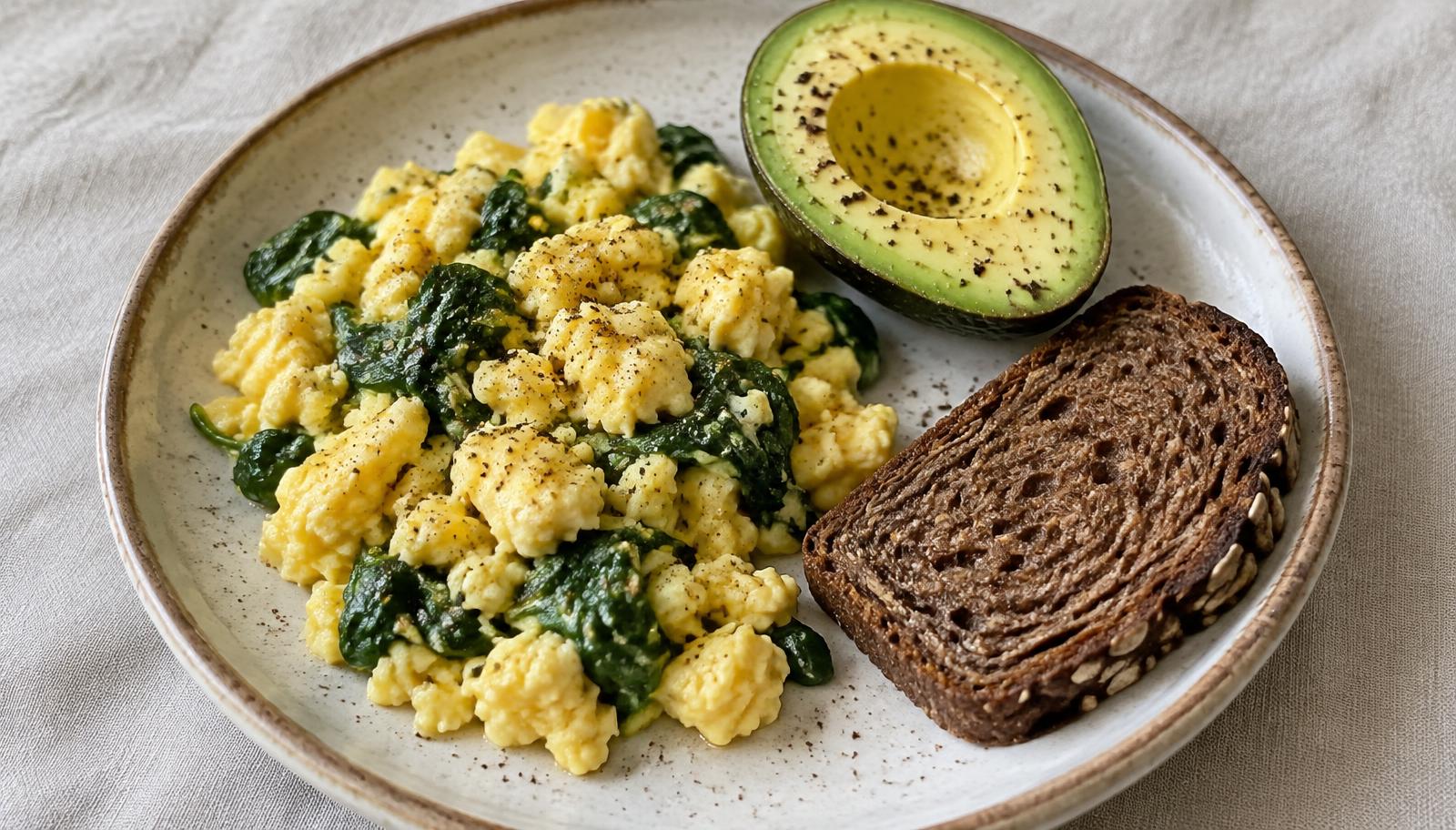
If you are going to eat it, the composition matters more than the clock. The typical American default, refined carbohydrate with sugar and very little protein, is the version most likely to leave you hungry by 10:30. Protein and fiber are the two levers with real evidence behind them for satiety, and both are easy to hit without cooking anything ambitious.
Protein content of common breakfast options
grams of protein per typical serving
Most classic breakfasts land under 10 grams of protein, which is the main reason they stop working by mid-morning.
- Aim for roughly 25 to 30 grams of protein if you want breakfast to hold you until lunch. Yogurt, eggs, cottage cheese, or last night's leftovers all get there faster than cereal.
- Add fiber from fruit, oats, or beans. Fiber slows gastric emptying, which is the mechanical part of feeling full.
- Do not fear savory. Most of the world eats a savory breakfast, and the sweet-breakfast default is a mostly American and British habit.
- Coffee is fine, and for many people it blunts morning appetite, which is worth knowing if you are trying to eat more, not less.
- If you are not hungry, waiting is allowed. Hunger is data, not a discipline problem.
The rest of the world quietly disagrees with the American version
The idea that breakfast means cereal, pastry, or eggs is culturally local. In Japan, a traditional breakfast is rice, grilled fish, miso soup, and pickles, savory and closer to lunch than to dessert. In Turkey, kahvaltı spreads out cheese, olives, tomato, cucumber, eggs, and bread. In Colombia, changua is a milk and scallion broth with a poached egg. In Vietnam, breakfast is frequently a bowl of pho or a rice porridge from a street stall.
Two lessons hide in that variety. First, none of these cultures treat sugar as a morning requirement. Second, the composition many nutritionists now recommend, protein and vegetables with a modest amount of starch, is already the norm across most of Asia. If you want the deep version of how breakfast habits vary, our tour of the dishes worth eating in Japan covers the traditional morning setup, and the Mexican eating guide explains why a mid-morning almuerzo often matters more than what you ate at 7am.
So what should you actually do
Eat breakfast if you are hungry in the morning, if you train early, if your day depends on steady focus, or if skipping it makes the rest of your eating worse. Skip it without guilt if none of those apply and you feel good. Then stop spending energy on the question, because it is one of the lowest-leverage decisions in your diet compared with total intake, protein, fiber, and how much ultra-processed food you eat. The pattern matters, which is the same conclusion we reached in our look at whether the Mediterranean diet lives up to its reputation.
One more reframe worth keeping. Nutrition slogans survive because they are easy to remember, not because they are accurate, which is also how we ended up believing things about how food is presented to us. Ask who benefits from the sentence before you accept it.
Frequently asked questions
Sources and further reading
- Sievert et al., The BMJ (2019), breakfast and weight change systematic review
- Betts et al., American Journal of Clinical Nutrition (2014), Bath Breakfast Project
- Ruddick-Collins et al., Cell Metabolism (2022), morning versus evening calorie distribution
- BBC World Service, The Food Chain: is breakfast really the most important meal of the day?
Try this for one week: keep your normal schedule but make breakfast savory and protein-heavy, or skip it entirely if you never wanted it, then notice what happens at 4pm rather than what happens on the scale. Tell us which camp you land in, because the breakfast argument is one of the few food debates where both sides are usually describing their own bodies accurately.
Filed under
More from Health
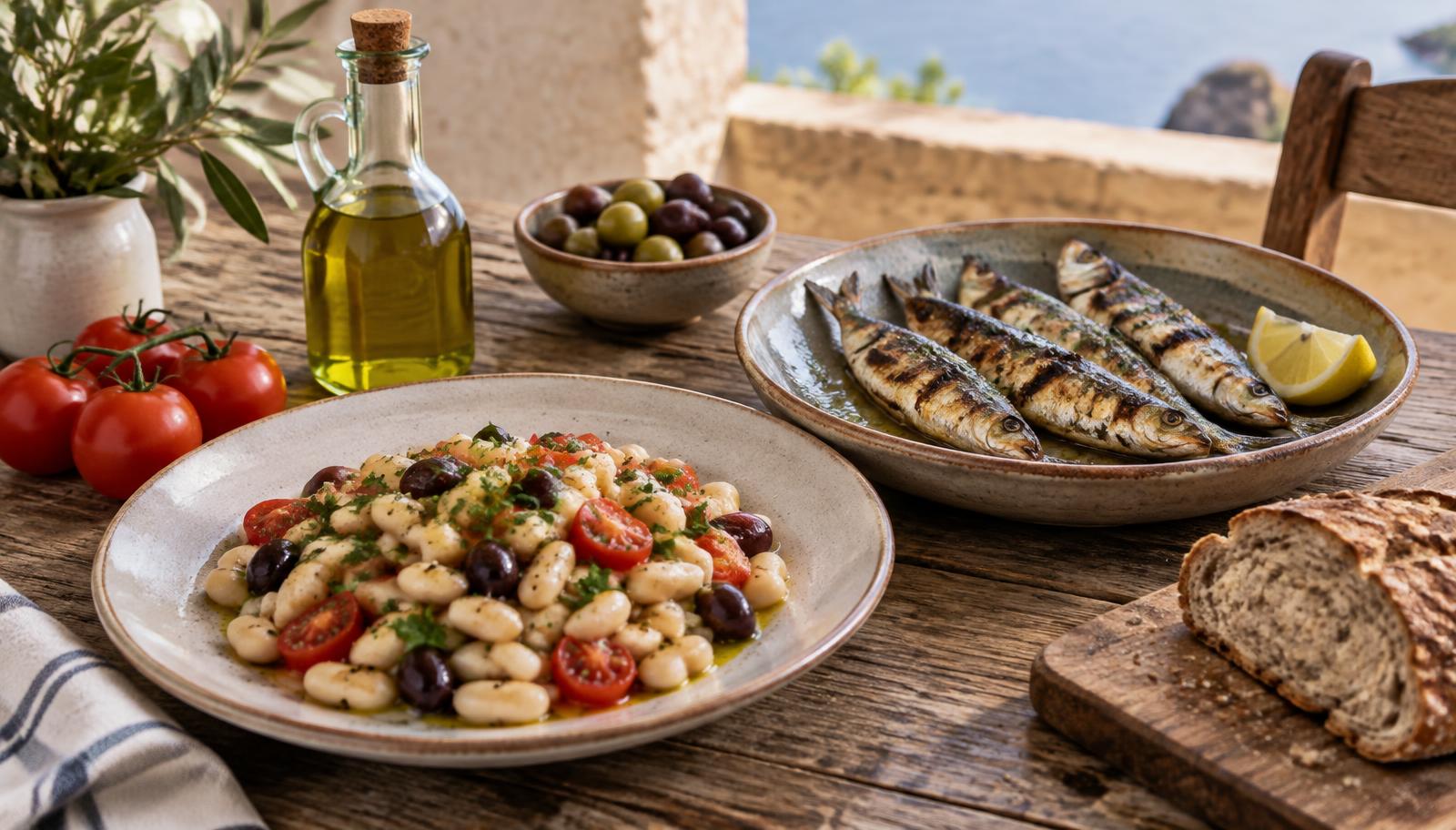
Is the Mediterranean Diet Actually Worth the Hype?
It is the most studied eating pattern in modern nutrition. It is also widely misunderstood, oversold in supermarket aisles, and stranger in origin than you would guess.
Priya Raman · · 11 min read

Does Eating Late at Night Really Make You Gain Weight?
The claim gets repeated everywhere, but the honest answer is more interesting than a flat yes or no.
Priya Raman · · 9 min read

High-Protein Greek Yogurt Breakfast Bowl
Thick strained yogurt, a scoop of protein-forward mix-ins, fruit for acid and nuts for crunch. Five minutes, no cooking, about 35 grams of protein.
Priya Raman · · 7 min read