
What Vegans Actually Eat in a Full Day
Oatmeal with peanut butter, a chickpea grain bowl, edamame and a pot of red lentil dal. Here's a realistic vegan day, with protein counts and the nutrients that matter.
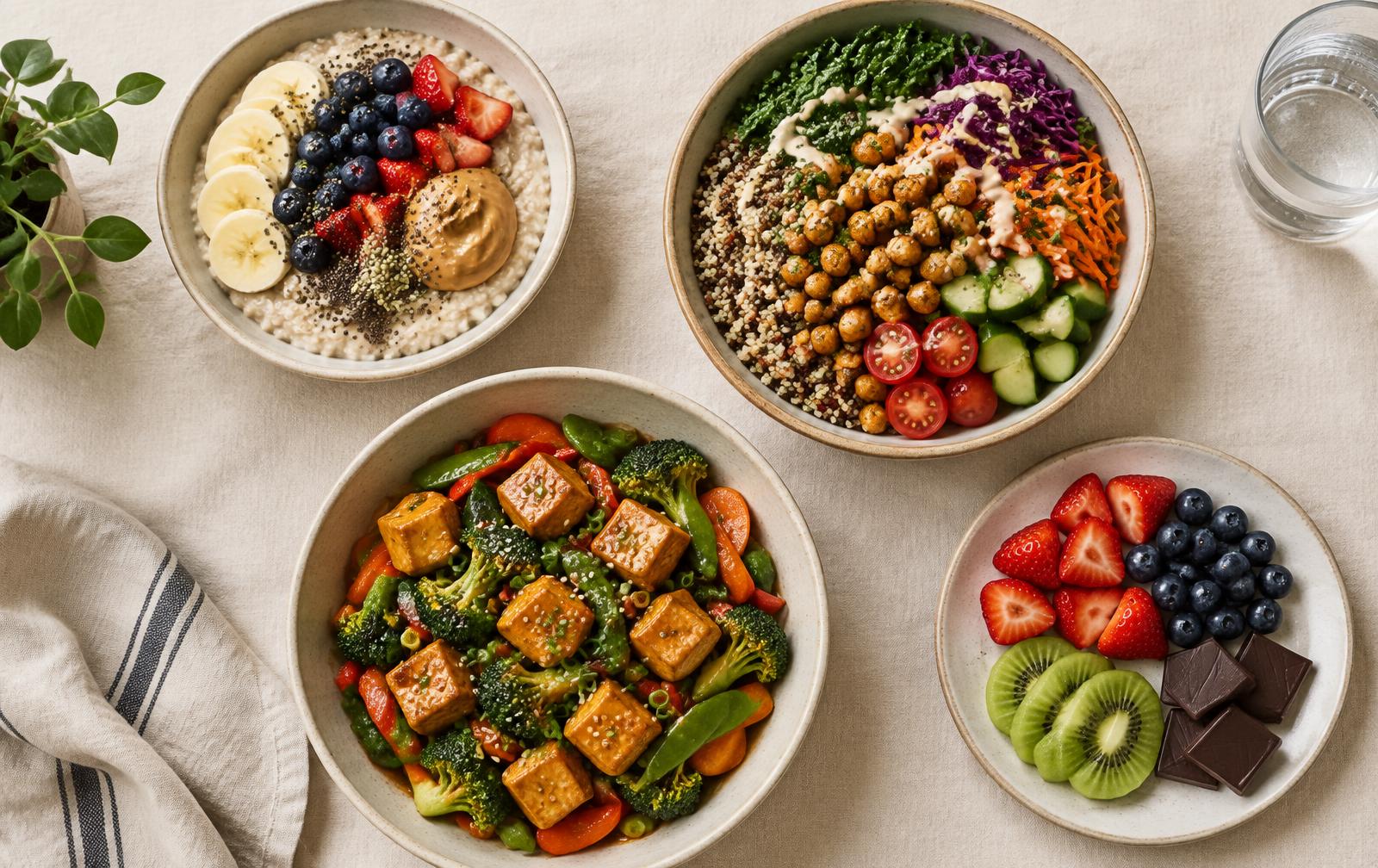
Here's what vegans actually eat in a full day: oatmeal made with soy milk and topped with peanut butter and berries for breakfast, a grain bowl of quinoa, roasted chickpeas and tahini for lunch, a bowl of edamame in the afternoon, and red lentil dal with rice and crispy tofu for dinner. That's real, filling food, and it adds up to roughly 85 to 95 grams of protein, well above the standard adult recommendation for most people. The catch isn't protein. It's a short list of nutrients that need a plan, led by vitamin B12, which vegans need from fortified foods or a supplement.
What vegans actually eat in a full day, meal by meal
The day below is one realistic example, not a strict meal plan. Protein figures are approximate and based on typical values in USDA FoodData Central. Brands and portions vary, so treat them as ballpark numbers.
Breakfast: peanut butter oatmeal with soy milk (about 22 g protein)
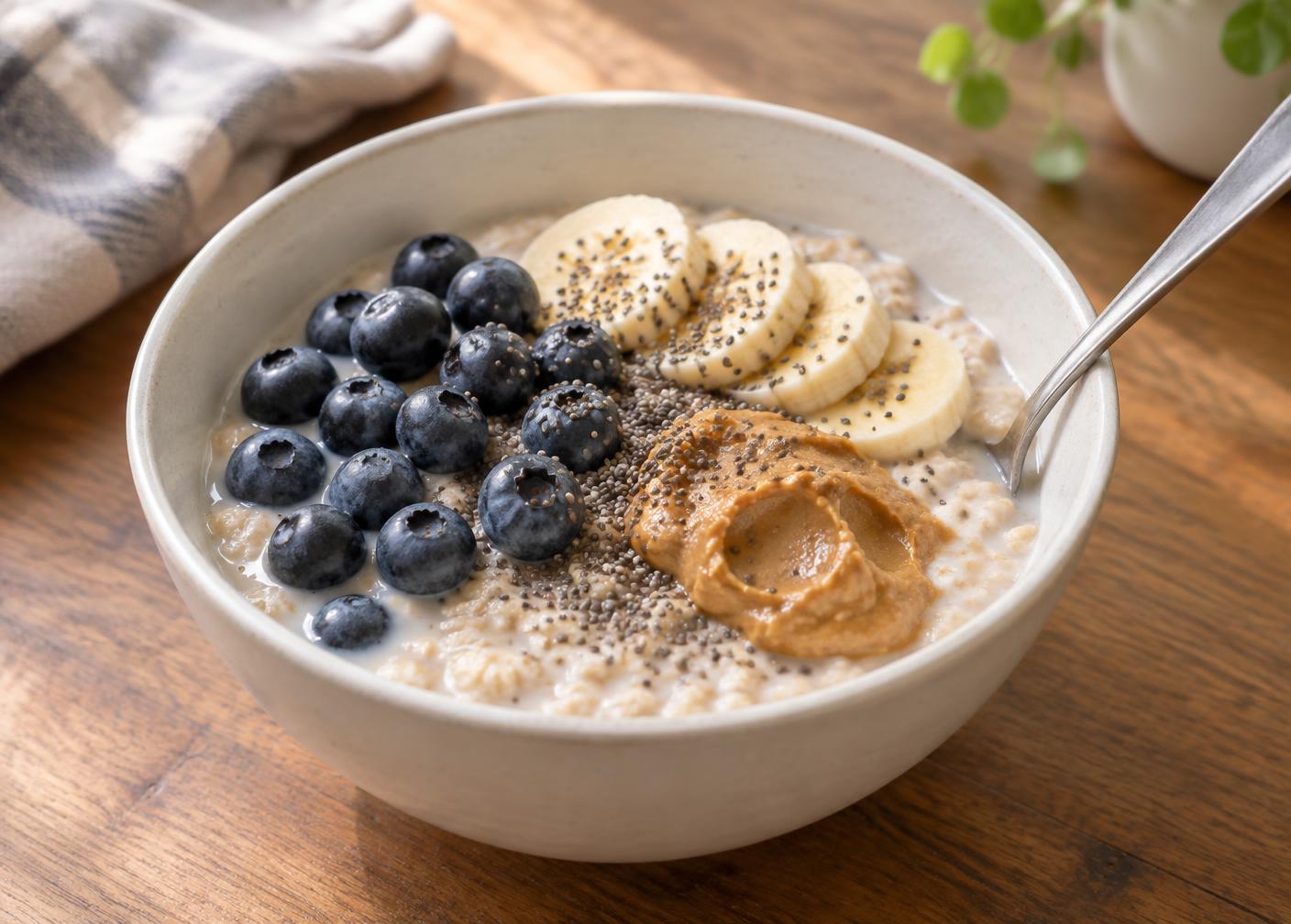
One cup of cooked rolled oats made with a cup of soy milk instead of water, topped with two tablespoons of peanut butter, a tablespoon of chia seeds, blueberries and sliced banana. The swap from water to soy milk alone adds about 7 grams of protein. That's the easiest upgrade in plant-based breakfast. Fortified soy milk also usually brings calcium, vitamin D and often B12, so check the label.
Other common vegan breakfasts include tofu scramble with turmeric and black salt (kala namak, which smells eggy because it contains sulfur compounds), toast with peanut butter, soy yogurt with granola, and leftovers. Plenty of vegans eat last night's dal for breakfast, which is completely normal in much of South Asia. If you're curious whether that morning meal matters as much as its reputation says, we looked at whether breakfast is really the most important meal of the day.
Lunch: chickpea and quinoa grain bowl (about 27 g protein)
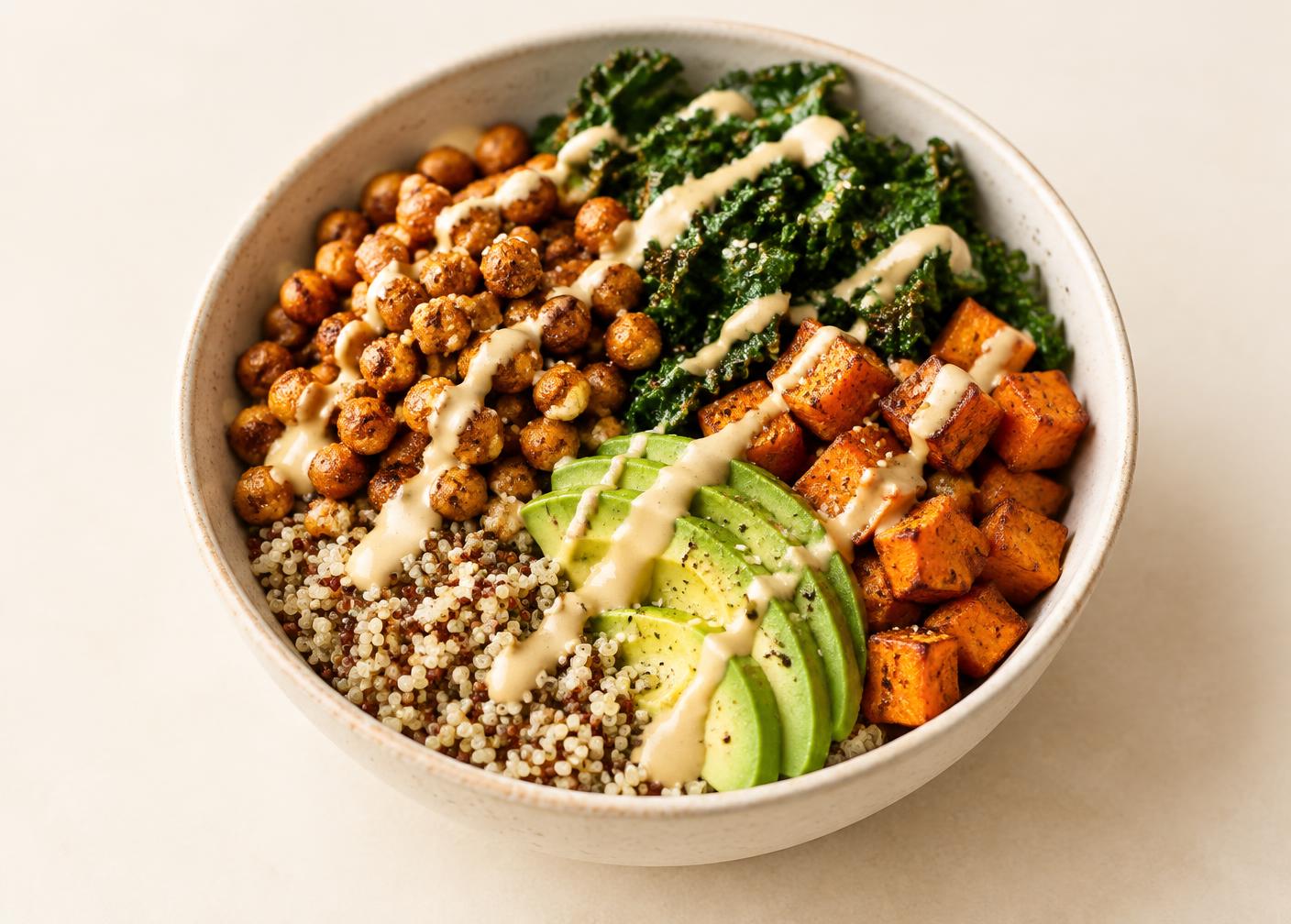
A cup of cooked quinoa, a cup of chickpeas roasted with cumin and smoked paprika, roasted sweet potato, massaged kale, half an avocado and a lemony tahini dressing. The chickpeas bring about 14 grams of protein and plenty of fiber, while the quinoa adds around 8 grams. Most vegans who meal prep batch-roast the chickpeas and vegetables on Sunday, then assemble bowls in about five minutes.
Other everyday vegan lunches: a falafel wrap with hummus, black bean burritos, peanut noodles with tofu, lentil soup, or a sandwich with hummus and roasted vegetables. Many restaurant dishes are already vegan too, from chana masala and vegetable pho with tofu to bean-and-rice plates at Mexican taquerias (ask whether the beans are cooked with lard).
Snack: edamame or hummus with vegetables (about 9 g protein)
Half a cup of shelled edamame with flaky salt gives about 9 grams of protein, which is a lot for a snack. Other common choices include hummus with carrots and cucumbers, a handful of almonds or walnuts, apple slices with peanut butter, or roasted chickpeas. Walnuts, ground flaxseed and chia are useful here because they provide ALA, a plant omega-3.
Dinner: red lentil dal with rice and crispy tofu (about 32 g protein)
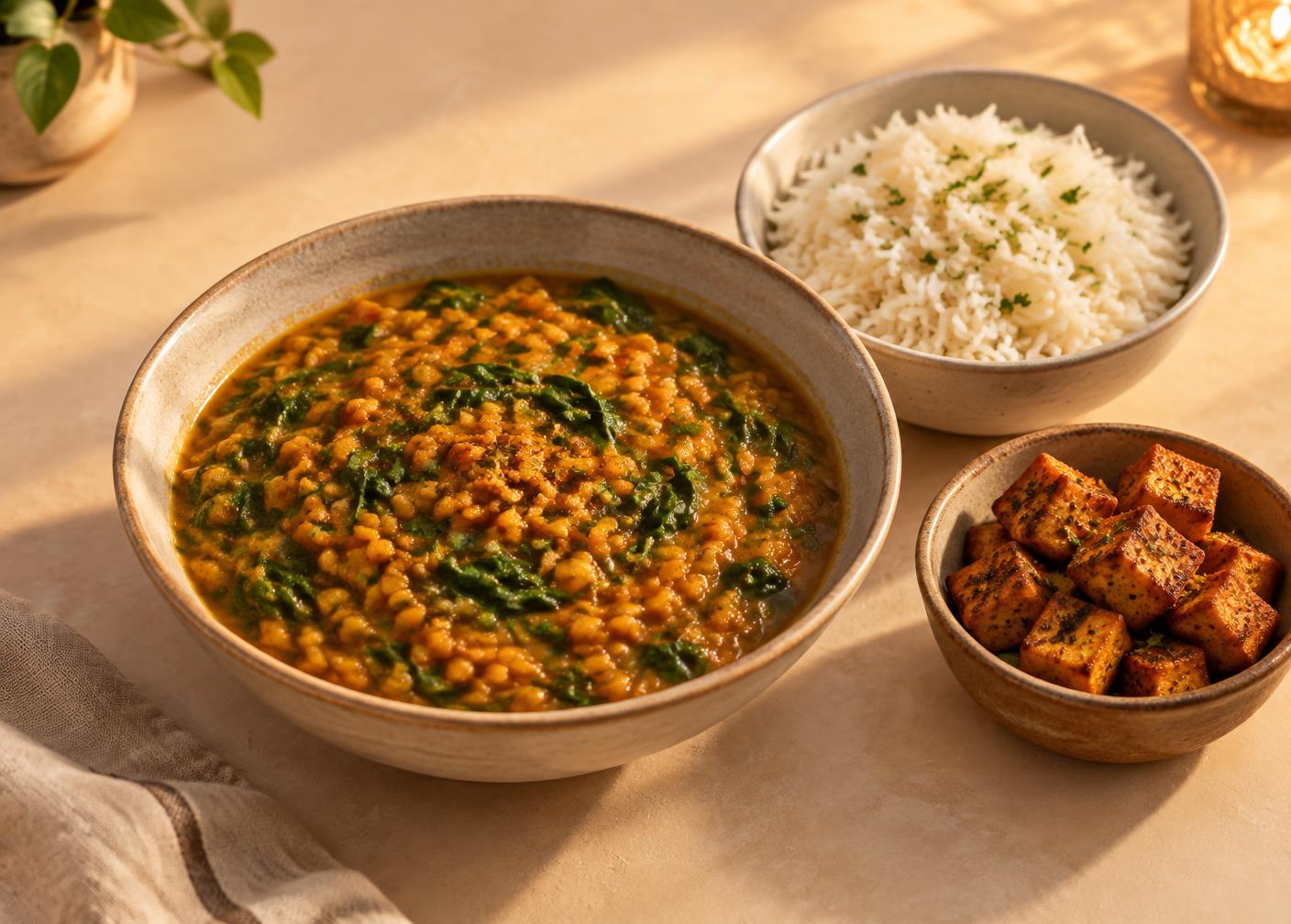
A cup of red lentil dal with spinach, simmered with onion, garlic, ginger, cumin and turmeric, served with a cup of basmati rice and about 3 ounces of pan-fried tofu. The lentils provide about 18 grams of protein and a meaningful amount of iron. A squeeze of lemon or tomato in the pot does more than add flavor: vitamin C helps your body absorb iron from plants. Tofu set with calcium sulfate is also one of the best vegan sources of calcium. Look for "calcium sulfate" on the label.
Other dinner staples include tofu and vegetable stir-fries, black bean tacos, pasta with lentil bolognese, veggie chili, and curries with chickpeas or tofu. For something noodle-based, our easy weeknight pad thai works well with tofu. Leave out the fish sauce and eggs, and use soy sauce or a vegan fish sauce instead. Many vegans end the day with dark chocolate, since most bars at 70 percent cacao or higher contain no milk, though it's worth checking the label.
Approximate protein in one vegan day
grams of protein per meal
Takeaway: legumes and soy at three of four meals push the total to roughly 90 grams, with no protein powder needed.
Do vegans get enough protein?
Usually, yes, as long as legumes, soy or seitan appear regularly. The US recommended dietary allowance is 0.8 grams of protein per kilogram of body weight, which is about 56 grams for a 70-kilogram (154-pound) adult. The day above clears that comfortably. Athletes and older adults often aim higher, and they can get there by adding more tofu, tempeh, seitan or a soy or pea protein shake.
Here's a surprising fact: the idea that vegans have to carefully "combine" proteins at every meal (rice with beans, for example) mostly traces back to Frances Moore Lappé's 1971 bestseller Diet for a Small Planet. Lappé herself walked it back in later editions. Your body pools amino acids from what you eat over the day, so eating a variety of plant proteins over the day is enough. Soy, quinoa and buckwheat also contain all nine essential amino acids on their own. For comparison with an animal-based approach, see our high-protein day of eating.
The nutrients vegans genuinely need to plan for
The Academy of Nutrition and Dietetics' 2016 position paper says that appropriately planned vegetarian diets, including vegan diets, are healthful and nutritionally adequate for all stages of life. "Appropriately planned" is doing a lot of work in that sentence. Here's what the planning actually means.
| Nutrient | Why it matters | Where vegans get it |
|---|---|---|
| Vitamin B12 | Nerves and red blood cells | Supplement, fortified plant milks, cereals, nutritional yeast |
| Vitamin D | Bones and immune function | Sunlight, fortified plant milks, supplement (D2 or lichen-based D3) |
| Omega-3 (DHA, EPA) | Heart and brain | Algae oil supplement; ALA from flax, chia, walnuts, hemp |
| Iodine | Thyroid function | Iodized salt, some seaweed (amounts vary widely), supplement |
| Calcium | Bones | Calcium-set tofu, fortified plant milks, kale, bok choy, almonds |
| Iron | Carries oxygen in the blood | Lentils, beans, tofu, fortified cereals, paired with vitamin C |
| Zinc | Immunity and healing | Beans, oats, pumpkin seeds, cashews, whole grains |
B12 deserves the loudest warning. Plants don't make it, and neither do animals. It's made by bacteria, and livestock often get it indirectly through feed that is supplemented with cobalt or B12. According to the NIH Office of Dietary Supplements, adults need 2.4 micrograms a day, and vegans are at risk of deficiency without fortified foods or supplements. The deficiency can develop slowly over years, which is exactly why it's easy to ignore. The UK's NHS guide to vegan diets gives the same advice.
Vegan food around the world is older than the word
The word "vegan" was coined in England in 1944 by Donald Watson and the founders of The Vegan Society. Many cuisines were cooking plant-only meals for centuries before that. In Ethiopia, Orthodox Christian fasting days exclude animal products, which is why Addis Ababa restaurants serve the beyaynetu, a platter of misir wot (spiced red lentils), shiro (chickpea flour stew) and gomen (collard greens) on injera. In Japan, Buddhist temple cuisine called shojin ryori is built around tofu, seasonal vegetables and kombu dashi.
Across India, dishes like chana masala, rajma, aloo gobi and most dals are naturally vegan as long as they're cooked in oil instead of ghee. In the Levant, falafel, hummus, ful medames and mujaddara (lentils and rice with deeply caramelized onions) are everyday staples. Many Mexican standbys, from frijoles de la olla to tacos de papa, are vegan too, provided they're cooked without lard. If you enjoyed our guide to dishes to eat in Thailand, note that many Thai curries can be ordered jay (vegan), without fish sauce or shrimp paste.
Easy swaps if you're trying a vegan day
- <strong>Milk:</strong> soy milk has the most protein, about 7 to 8 grams per cup. Oat and almond milks usually have only 1 to 3 grams.
- <strong>Eggs in baking:</strong> 1 tablespoon ground flaxseed mixed with 3 tablespoons water replaces one egg in muffins and quick breads.
- <strong>Parmesan:</strong> nutritional yeast adds a cheesy, savory flavor, and many brands are fortified with B12.
- <strong>Ground meat:</strong> cooked brown or green lentils, or crumbled firm tofu, work well in bolognese, tacos and chili.
- <strong>Butter:</strong> olive oil for cooking, and a plant-based butter for baking.
Frequently asked questions
Try one vegan day and see what surprises you
Here's a challenge: eat the day above once, exactly as written, and pay attention to when you get hungry. Most people are surprised by how full the lentils and chickpeas keep them. If you're vegan, tell us what your own day looks like, since there's a good chance it's more interesting than ours. And if you're comparing eating styles, our look at whether the Mediterranean diet lives up to the hype is a good next read.
Sources and further reading
Filed under
More from Health
The Sleepy Girl Mocktail: Does It Actually Help You Sleep?
Tart cherry juice, magnesium powder and something fizzy. The evidence behind each ingredient is real but modest, and the ritual may be doing more work than the chemistry.
Nadia Okonjo · · 10 min read
Is the Mediterranean Diet Actually Worth the Hype?
It is the most studied eating pattern in modern nutrition. It is also widely misunderstood, oversold in supermarket aisles, and stranger in origin than you would guess.
Priya Raman · · 11 min read
Is Breakfast Really the Most Important Meal of the Day?
The phrase is marketing, not physiology. What the research says is more useful, and more interesting, than either side of the argument admits.
Priya Raman · · 11 min read