
Easy Weeknight Pad Thai
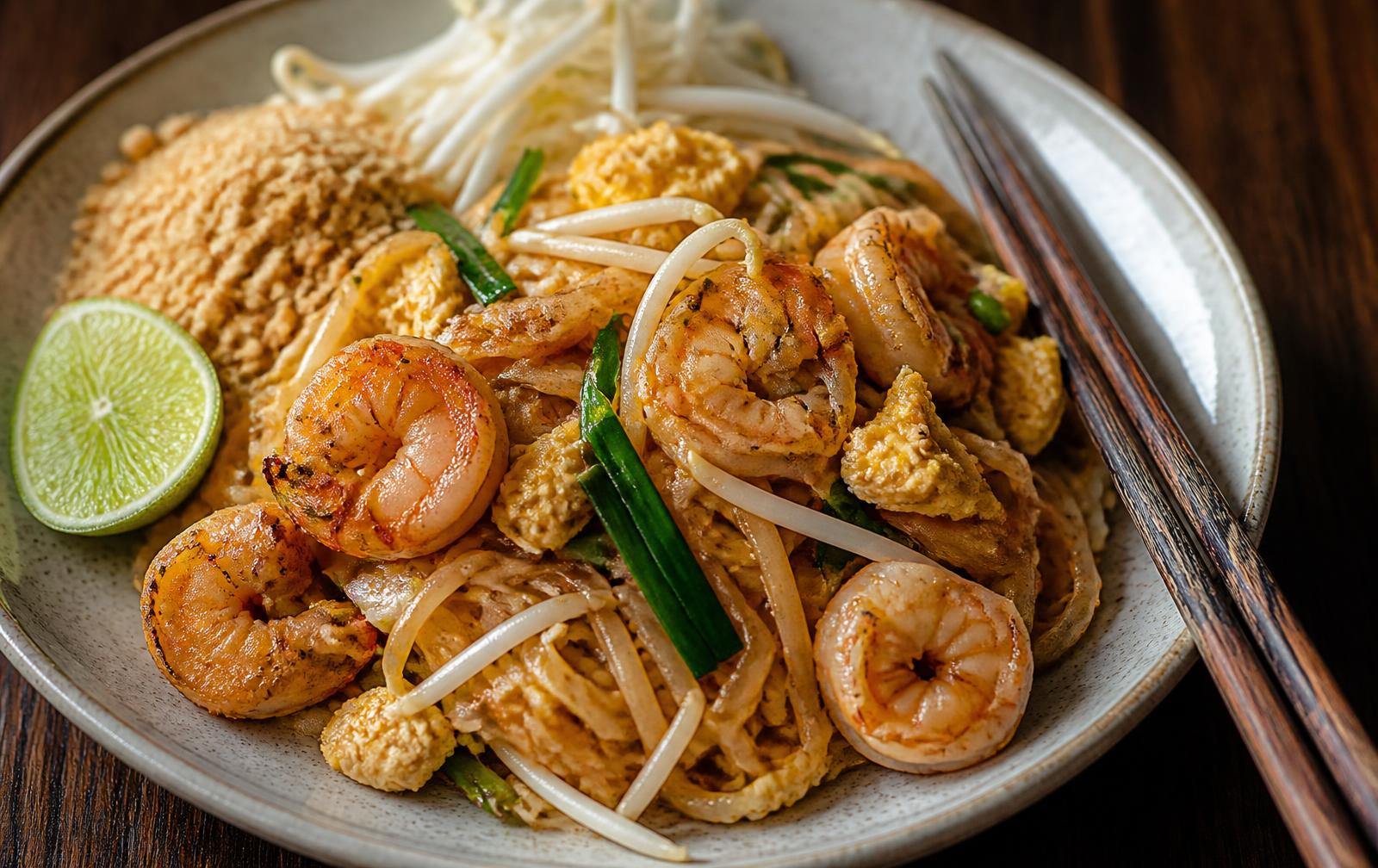
Tamarind, fish sauce and palm sugar in a three-part ratio, noodles soaked rather than boiled, and everything cooked in two fast batches. Thirty minutes, one pan.
Recipe
Easy Weeknight Pad Thai
A 30-minute pad thai with a proper tamarind, fish sauce and palm sugar ratio, soaked rice noodles, shrimp and egg, finished with peanuts and lime. Serves 2 to 3.
Equipment Large wok or 12-inch skillet, Bowl for soaking noodles, Small bowl for the sauce, Tongs or a wide spatula
Ingredients
For the sauce
- 3 tbsp tamarind concentrate, the thick paste sold in jars, not tamarind syrup
- 3 tbsp fish sauce
- 2 tbsp palm sugar, chopped or grated; light brown sugar works
- 2 tbsp water, loosens the sauce so it coats instead of clinging
- 0.5 tsp Thai chili flakes, start low, add more at the table (optional)
For the noodles and stir-fry
- 200 g dried flat rice noodles, about 7 oz, 5 mm wide, soaked in warm water 25 to 30 minutes
- 3 tbsp neutral oil, peanut, canola or rice bran; divided
- 1 medium shallot, thinly sliced
- 3 cloves garlic, finely chopped
- 250 g large shrimp, about 9 oz, peeled and deveined, patted dry
- 100 g firm tofu, cut into 0.5 inch cubes and blotted dry (optional)
- 2 whole large eggs, lightly beaten
- 2 tbsp preserved salted radish, finely chopped; adds the savory crunch street versions have (optional)
To finish
- 150 g bean sprouts, about 2 cups, rinsed and drained
- 4 stalks garlic chives or scallions, cut into 2 inch lengths
- 40 g roasted peanuts, about 0.33 cup, coarsely crushed
- 1 whole lime, cut into wedges, squeezed over at the table
Tap Swap on any ingredient to see substitutions and ratios.
Nutrition
- Calories
- about 620 kcal per generous plate (approximate)
- Protein
- about 34 g
- Carbohydrates
- about 70 g
- Fat
- about 22 g
Estimated per serving. Total time 30 minutes.
Method
- 1
Put the dried noodles in a large bowl and cover with warm tap water, around 110°F (43°C). Soak 25 to 30 minutes, until they are flexible enough to wrap around your finger but still firm and opaque at the center. Drain well. Do not boil them, and do not use hot water, or they will overcook before they hit the pan.
- 2
While the noodles soak, stir the tamarind concentrate, fish sauce, palm sugar, water and chili flakes together in a small bowl until the sugar dissolves. Taste it: it should be aggressively sour and salty, because the noodles will dilute it considerably. Adjust now, not later.
- 3
Prep everything else and set it beside the stove: shallot, garlic, shrimp, tofu, beaten eggs, radish, sprouts, chives and peanuts. Once the pan is hot there is no time to chop, and this is the step people skip and regret.
- 4
Heat 1.5 tbsp oil in a large wok or 12-inch skillet over high heat until it shimmers. Add the tofu if using and fry 3 to 4 minutes, turning, until golden on two sides. Move it to a plate.
- 5
Add the shrimp in a single layer and cook 1 minute per side, just until they turn pink and opaque throughout with no gray or translucent center. Move them to the plate with the tofu. Shrimp overcook in seconds, so pull them early since they go back in at the end.
- 6
Add the remaining 1.5 tbsp oil, then the shallot, garlic and preserved radish. Stir-fry 30 to 45 seconds until fragrant but not browned. Burnt garlic will make the whole plate bitter.
- 7
Push the aromatics to one side, pour the beaten eggs into the empty space, and let them set for about 20 seconds before breaking them into large curds with your spatula. Cook until no liquid egg remains.
- 8
Add the drained noodles and pour the sauce over them. Toss constantly for 2 to 3 minutes, pressing the noodles against the hot pan between tosses. They should go from opaque to glossy and translucent as they absorb the sauce. If the pan looks dry and the noodles are still stiff, add water 1 tbsp at a time.
- 9
Return the shrimp and tofu, add the bean sprouts and chives, and toss 45 seconds more. The sprouts should stay squeaky and crisp, so this is the shortest step in the recipe.
- 10
Taste and adjust: more fish sauce for salt, a squeeze of lime for sour, a pinch of palm sugar if it bites too hard. Divide between plates, top with crushed peanuts, and serve with lime wedges and extra chili flakes.
Pad thai is a Thai stir-fried rice noodle dish built on a three-part sauce of tamarind, fish sauce and palm sugar, finished with egg, bean sprouts, lime and crushed peanuts. It is worth making at home because takeout versions are usually far sweeter than the real thing, and fixing that costs nothing but the right ratio. This version works because the noodles are soaked in warm water instead of boiled, so they finish cooking in the pan without turning to paste, and because everything is cooked in two quick batches rather than crowded in at once. Prep 20 minutes, cook 10 minutes, total 30 minutes. Serves 2 generously or 3 modestly. Difficulty: medium.
Why this version works
The sauce is the whole dish, and the ratio here is roughly 3 parts tamarind to 3 parts fish sauce to 2 parts palm sugar by volume. Sour leads, salty backs it up, and sweetness rounds it off rather than dominating. Ketchup and sriracha, which show up in a lot of Western recipes, are shortcuts that push it straight into sweet territory. Skip them.
The second fix is noodle handling. Dried flat rice noodles soaked in warm tap water for 25 to 30 minutes come out pliable but still firm, which is exactly what you want, because they will absorb sauce and soften further over high heat. Boiled noodles arrive at the pan already fully cooked and break apart the moment you toss them. The third fix is batching. A home burner does not have restaurant heat, so cooking two servings at once means steaming instead of frying. Cook in two rounds, or accept softer noodles.
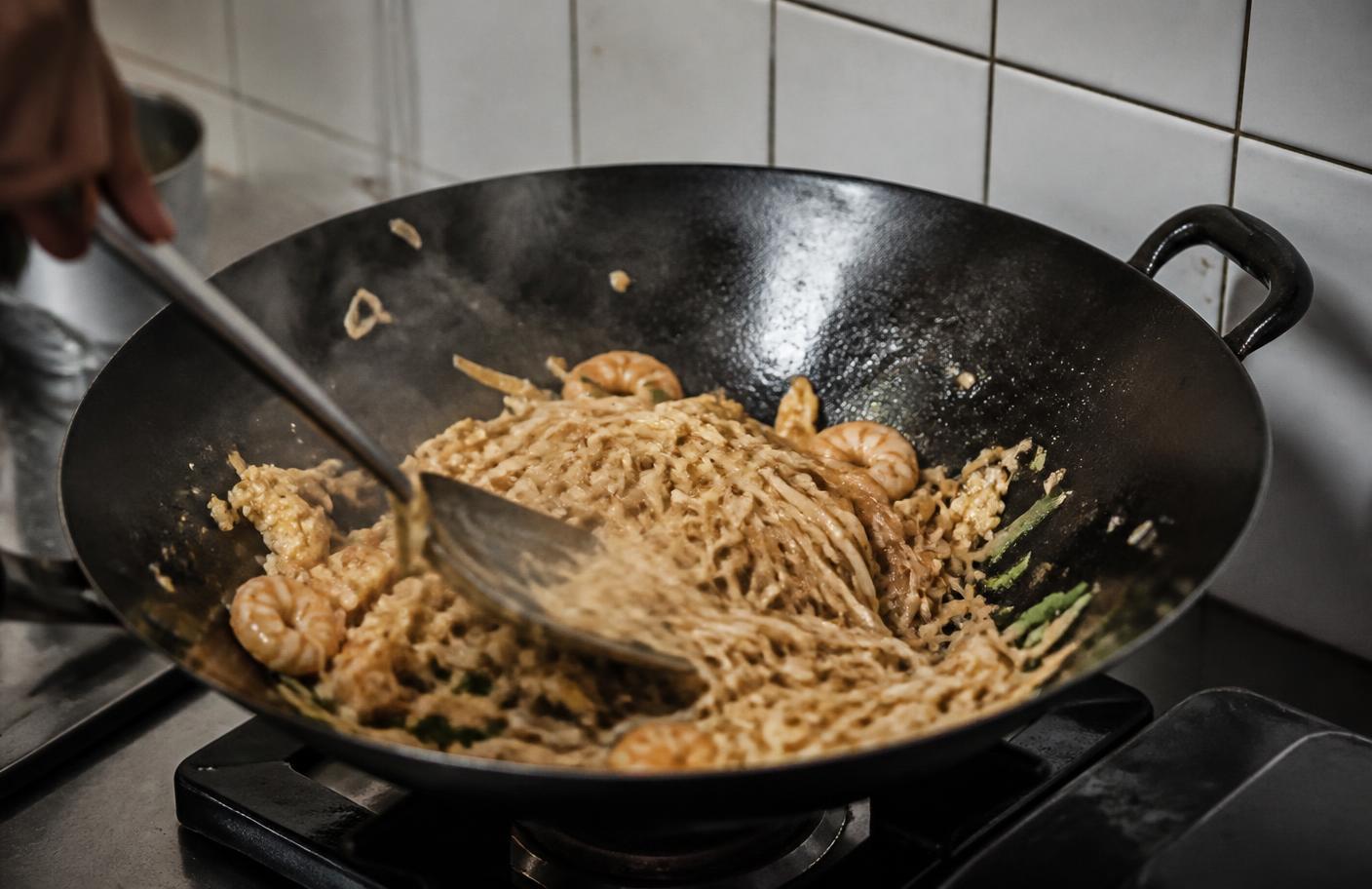
Easy weeknight pad thai, the recipe
Noodle soaking guide
| Method | Time | Result in the pan |
|---|---|---|
| Cold water soak | 60 minutes or more | Even and forgiving, but slow |
| Warm water soak, about 110°F | 25 to 30 minutes | Pliable, firm center, ideal |
| Hot water soak | 8 to 10 minutes | Easy to overshoot; goes gummy fast |
| Boiled | 3 to 4 minutes | Already cooked; breaks up and turns pasty |
Substitutions and variations
- No tamarind concentrate: use 3 tbsp lime juice plus 1 tsp rice vinegar. It is brighter and less fruity, but far better than ketchup.
- No palm sugar: light brown sugar at a 1:1 ratio, or granulated sugar with 0.5 tsp molasses.
- No fish sauce: use 3 tbsp light soy sauce plus 0.5 tsp white miso for depth. This also makes the dish pescatarian-free and vegetarian-friendly if you skip the shrimp.
- Different protein: swap the shrimp for 250 g thinly sliced chicken thigh cooked to an internal temperature of 165°F (74°C), or for the same weight of firm tofu.
- Make it vegan: use the soy sauce version of the sauce, skip the egg, and double the tofu to 200 g. Add 1 tbsp more oil, since tofu absorbs more than shrimp.
- Make it spicier: raise the chili flakes to 1.5 tsp in the sauce and serve with sliced fresh Thai chilies in vinegar.
- Scale it up: multiply the ingredients, but cook in batches of no more than two servings. A crowded pan steams the noodles and you lose the whole texture.
- Allergen note: as written this contains fish, shellfish, egg, peanuts and soy. Use toasted sunflower seeds instead of peanuts for a nut-free version, and check fish sauce and tamarind labels.
Tips, storage and make-ahead
- The most common mistake is a sweet sauce. Mix it and taste it before it goes near the noodles; it should make you wince slightly.
- The second is a crowded pan. Two servings maximum on a home burner, and get the pan properly hot before anything goes in.
- Doneness cue for noodles: glossy, translucent and separate, with a slight chew. Sticky clumps mean too little sauce or too much heat with no liquid.
- Doneness cue for shrimp: opaque all the way through and curled into a loose C. A tight O means overcooked.
- Make-ahead: mix the sauce up to a week ahead and refrigerate it. Soak the noodles up to 2 hours ahead, drain them, and toss with 1 tsp oil so they do not stick.
- Storage: refrigerate leftovers in an airtight container within 2 hours of cooking and eat within 3 days.
- Reheating: use a hot skillet with a splash of water rather than a microwave, about 2 minutes, which loosens the noodles instead of drying them out.
- Freezing: not recommended. Rice noodles turn mushy and the sprouts collapse completely on thawing.
What to serve with it
Pad thai is a full plate on its own, but a cucumber salad with rice vinegar cuts the richness nicely. For another fast dinner in the same spirit, see our 20-minute dinner that looks like you tried hard, or the one-pan creamy Tuscan chicken for something richer. If you want to understand why balanced sour and salty flavors land so hard, our piece on why lemon and cinnamon taste like cola gets into it. For more noodle reading, try the real ramen behind every anime bowl, and everything else is in our recipes section.
Frequently asked questions
Mix the sauce, taste it, and resist the urge to soften it with sugar. That one moment of restraint is the difference between homemade pad thai and the good stuff.
Filed under
More from Recipes
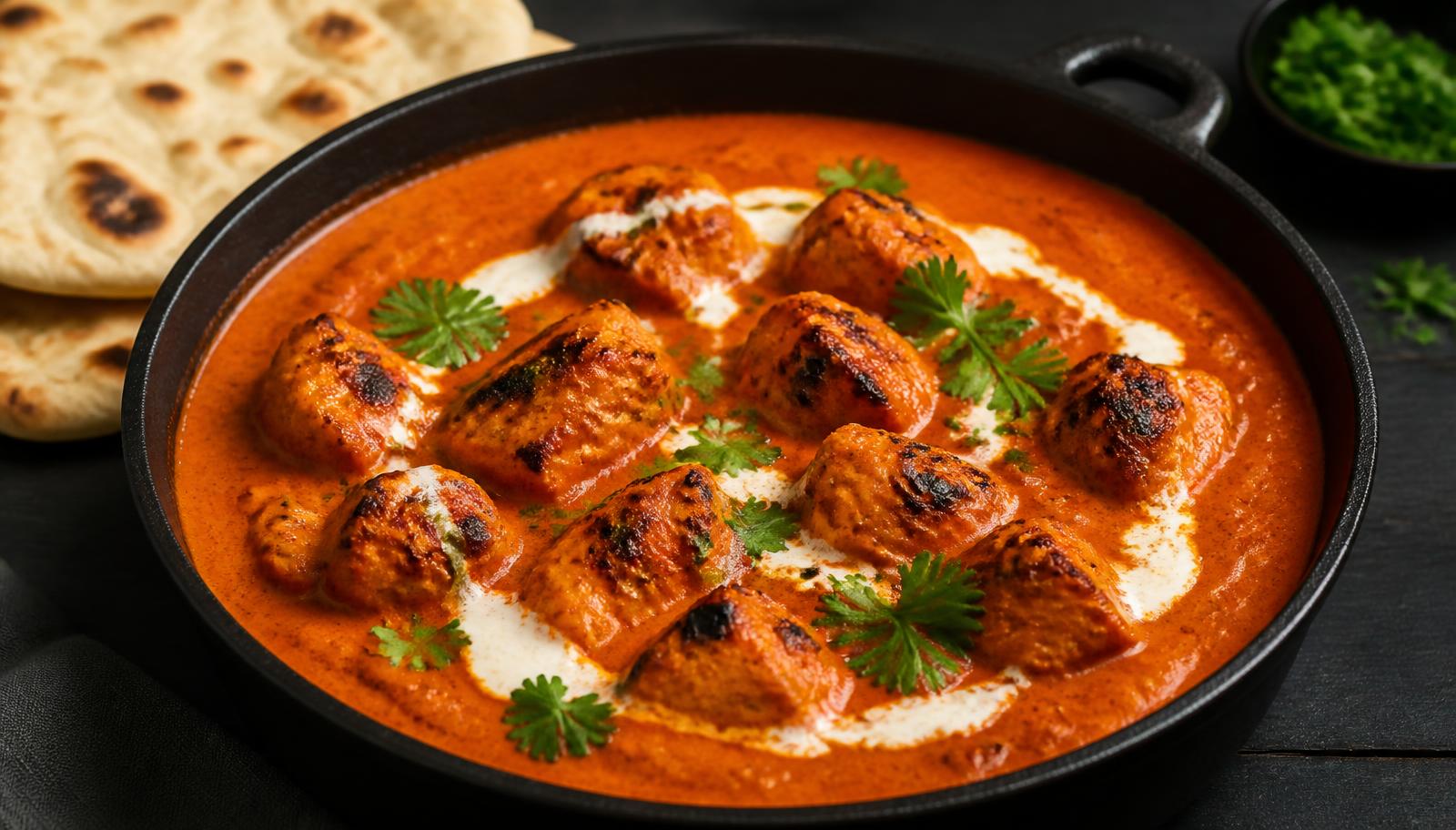
Authentic Chicken Tikka Masala at Home
Yogurt-marinated chicken charred under the broiler, then folded into a tomato, butter and cream sauce built on bloomed spices. Serves 4.
Priya Raman · · 9 min read
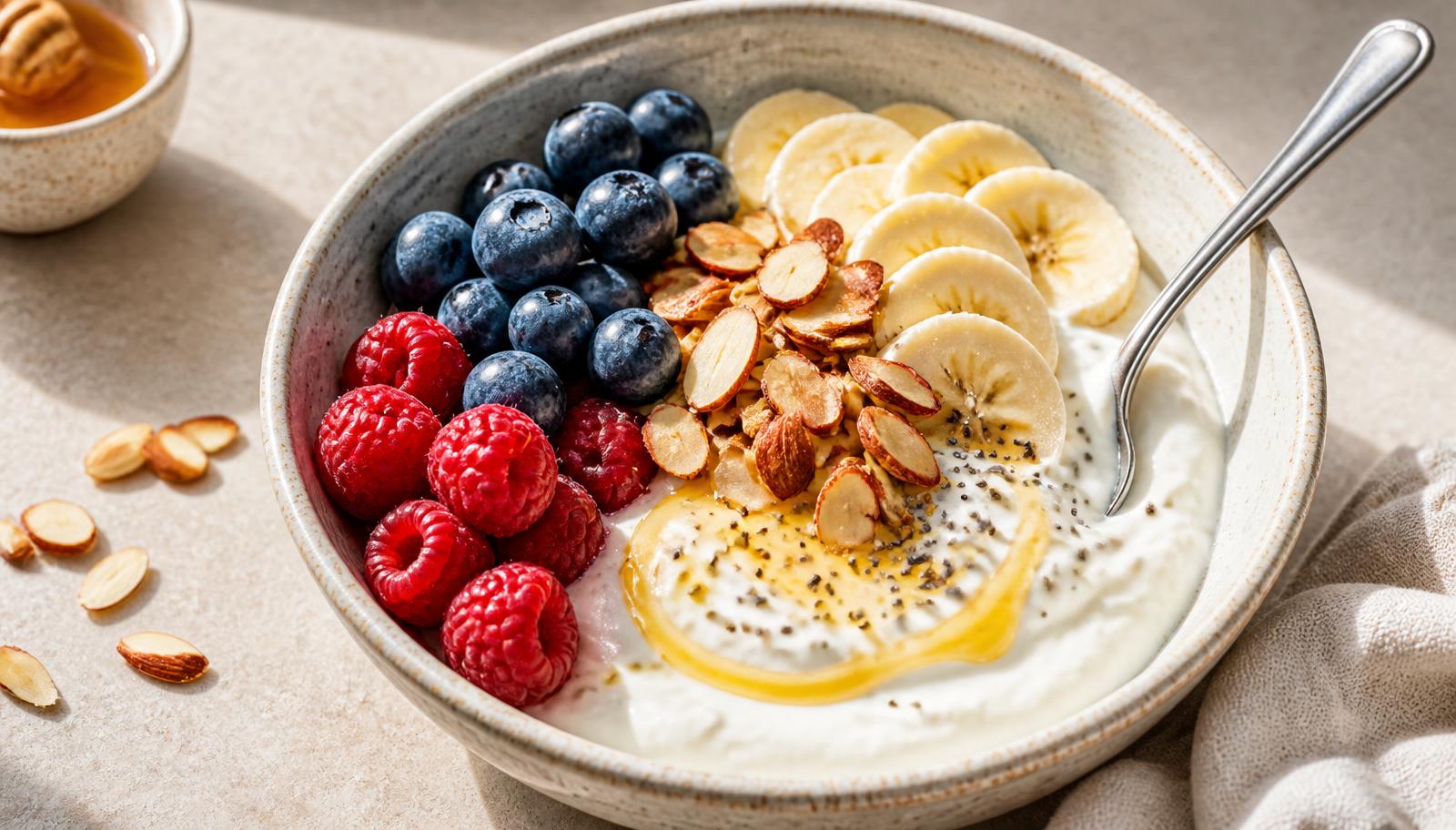
High-Protein Greek Yogurt Breakfast Bowl
Thick strained yogurt, a scoop of protein-forward mix-ins, fruit for acid and nuts for crunch. Five minutes, no cooking, about 35 grams of protein.
Priya Raman · · 7 min read
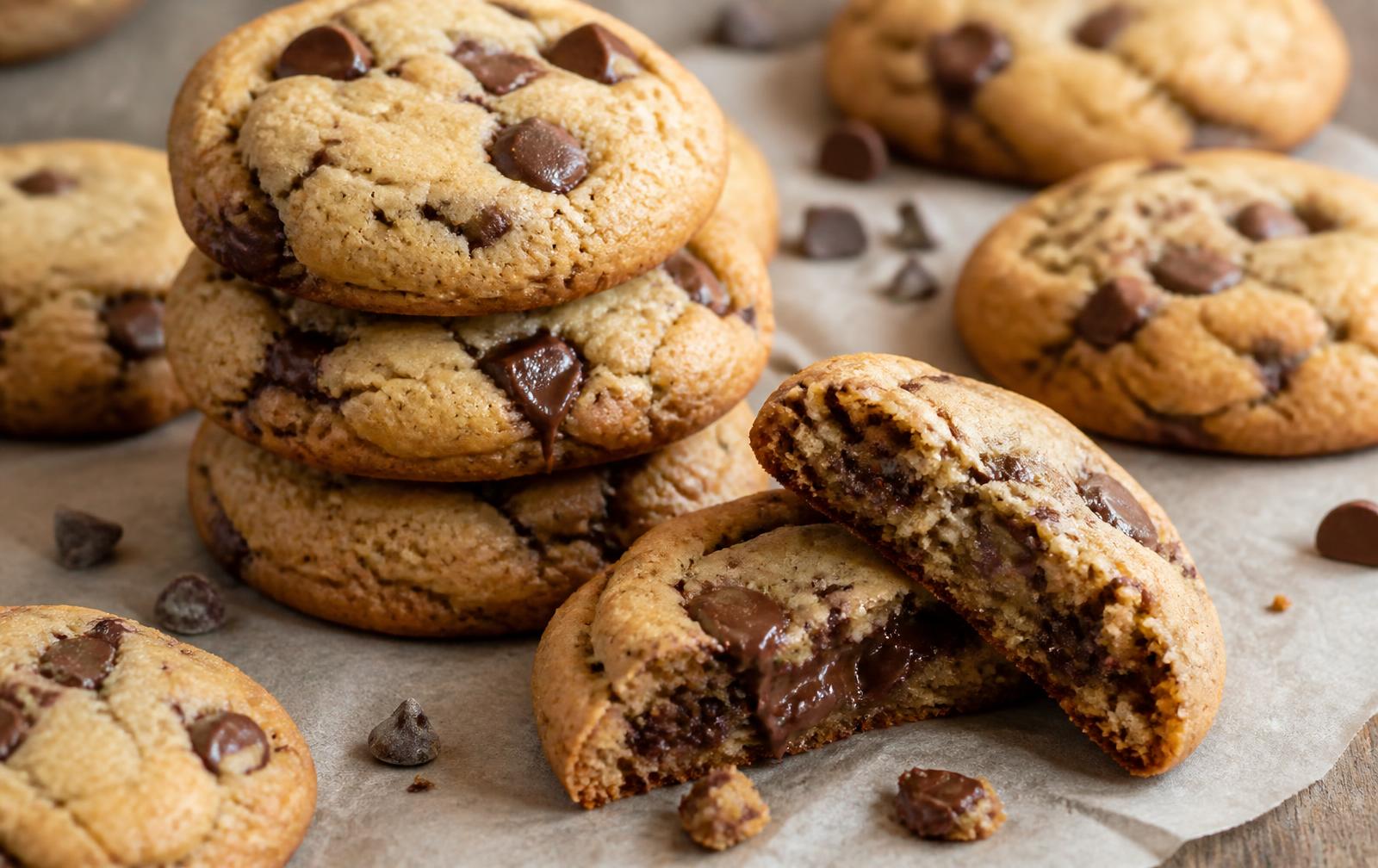
Soft and Chewy Chocolate Chip Cookies
Melted butter, extra brown sugar, one extra yolk and bread flour. That combination is what makes a cookie chewy instead of crisp, and it takes no special equipment.
Priya Raman · · 8 min read