
Chocolate and Cheese: The Pairing That Shouldn't Work but Does
Aged cheese and dark chocolate share more flavor chemistry than almost any other pair on the board. Once you taste it, the cracker starts to feel unnecessary.
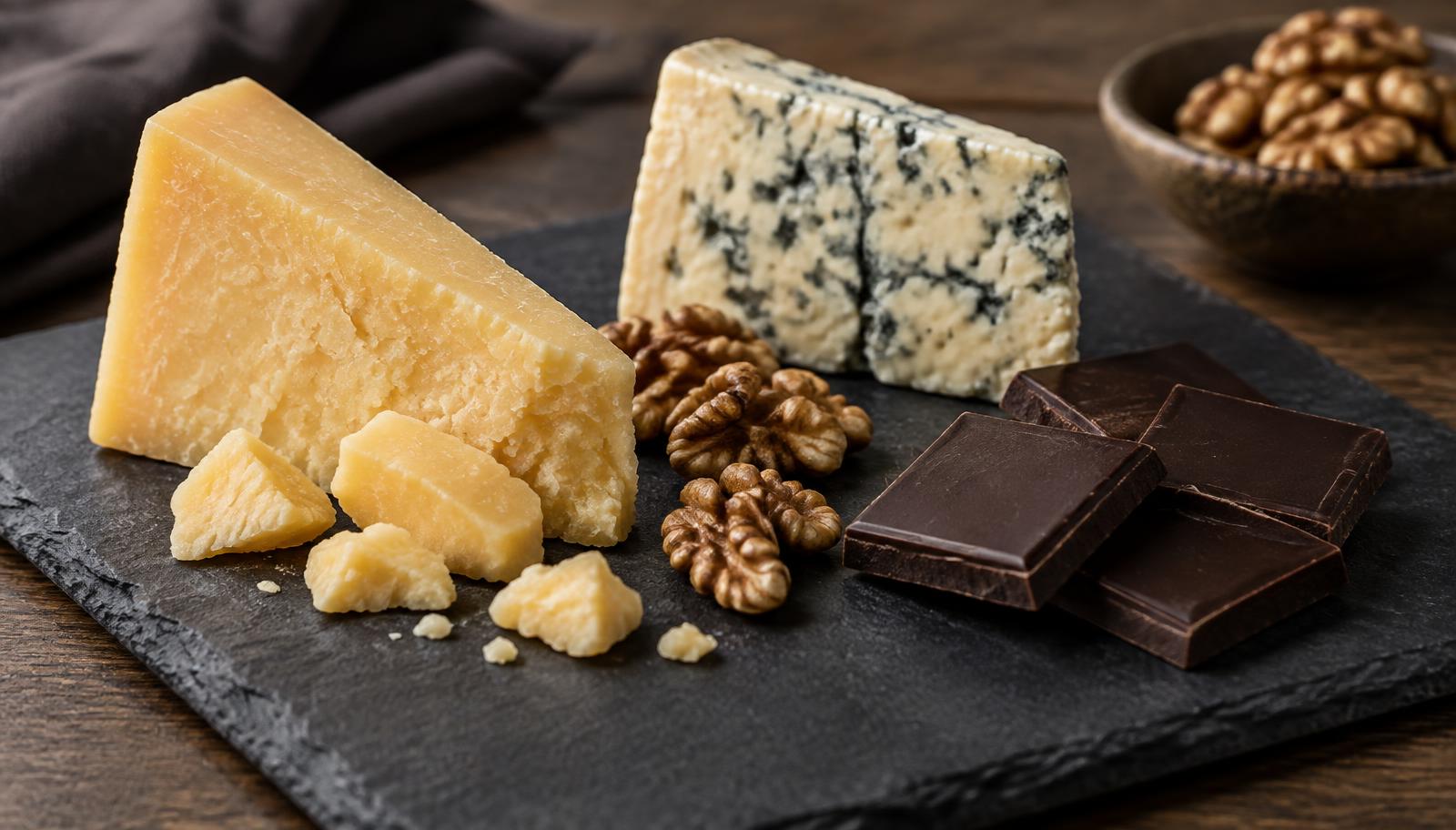
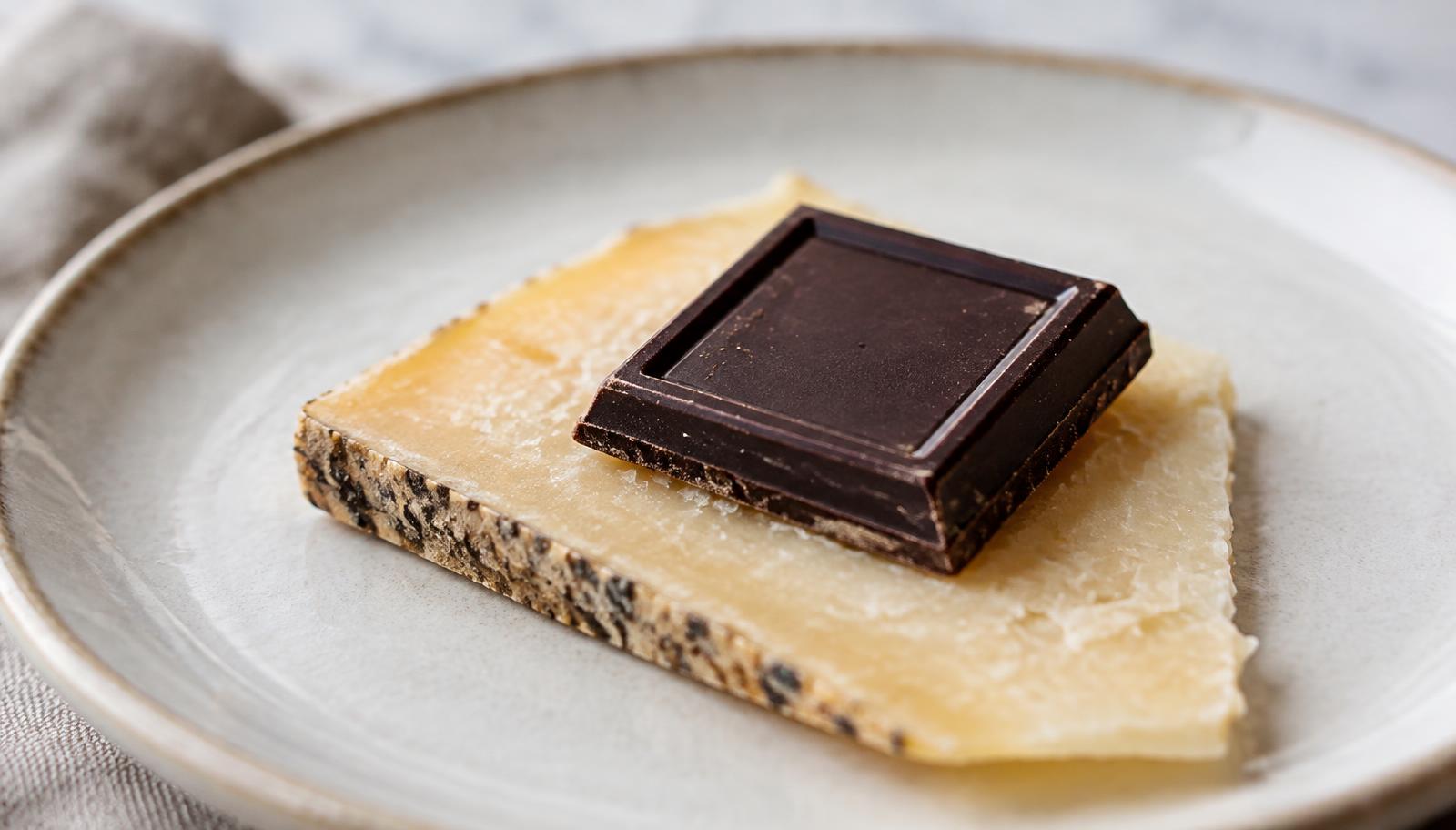
Chocolate and cheese works because they are made almost the same way. Both are fermented, both are aged, both are built on fat that melts near body temperature, and both end up carrying the same families of aroma compounds: nutty pyrazines, buttery diacetyl, fruity esters, and the roasted, savory notes that come out of the Maillard reaction. Put a shard of 70 percent dark chocolate on a sliver of three-year Gouda and you get one flavor, not two competing ones. The pairing sounds like a dare and tastes like it was designed on purpose.
What chocolate and cheese together actually tastes like
Start with the pairing that made me stop rolling my eyes: aged Gouda, the crystalline kind at three years or more, with a dark bar around 70 percent. The cheese arrives first as butterscotch and salt, with those tyrosine crystals crunching like tiny grains of sugar. The chocolate melts a beat behind it and lands on the same note, roasted and slightly caramel, then adds a dry bitterness that scrubs the fat off your tongue.
The texture is the surprising part. Cheese fat and cocoa butter both go soft around 90 to 95 degrees Fahrenheit, which is just below mouth temperature, so they collapse together instead of taking turns. It feels less like eating two foods and more like eating one very rich thing that cannot decide whether it is dessert.
Parmigiano Reggiano is the sharper version of the same trick. Its savory depth, driven by free glutamate built up over 24 months or more of aging, pushes the chocolate toward the flavor of a mole rather than a candy bar. Blue cheese is the wild card, and the reason people take photos: Stilton with dark chocolate tastes like a fig-and-walnut dessert that somebody spiked, and the salt in the blue makes the cocoa taste noticeably sweeter than it is.
Why the chocolate and cheese pairing works: the mechanism
Think of both foods as the output of the same manufacturing pipeline: microbes eat sugars, produce acids and alcohols, and then heat and time turn those into aroma molecules. Cacao beans are piled in boxes or under banana leaves for several days, where wild yeasts and bacteria ferment the sweet pulp around the bean, which kills the seed embryo and triggers the chemical reactions that create chocolate flavor precursors. No fermentation, no chocolate flavor, only bitter astringency. Cheese runs the same script with lactic acid bacteria eating lactose, then months of enzyme activity breaking proteins and fats into smaller, smellier fragments.
Then both get toasted. Roasting cacao and, in cheese, the slow browning and protein breakdown of long aging both generate pyrazines, the compound family responsible for nutty and roasted aromas, and both accumulate short chain fatty acids and esters. Research on cocoa flavor development attributes the signature roast and nut notes to Maillard reaction products formed from amino acids and reducing sugars released during fermentation and drying, which is exactly the chemistry that also gives long-aged cheese its brown-butter edge [1](https://doi.org/10.1016/j.foodres.2019.108712).
- Shared aroma families: pyrazines (nutty, roasted), diacetyl (buttery), esters (fruity), and free fatty acids (tangy, savory).
- Shared fat behavior: cocoa butter and milk fat both soften just under mouth temperature, so they merge rather than clash.
- Salt and bitterness trade favors: salt in cheese suppresses perceived bitterness in cocoa, and cocoa's astringency cuts dairy fat.
- Umami bridge: aged cheeses are rich in free glutamate, which makes dark chocolate read as savory and more complex.
- Crystals versus snap: tyrosine crystals in old cheese and the fracture of tempered chocolate give two contrasting crunches in one bite.
The pairing chart: what to put with what
The rule that holds up across nearly every tasting is match intensity, then contrast texture. A delicate cheese loses to a 90 percent bar. A brutal blue needs cocoa with enough sugar to stand up to salt. Here is the version I keep coming back to.
| Cheese | Chocolate | Why it works | Verdict |
|---|---|---|---|
| Aged Gouda (3 years) | 70 percent dark | Butterscotch and caramel notes line up almost exactly | Best in class |
| Parmigiano Reggiano (24 months) | 75 to 85 percent dark | Glutamate turns the cocoa savory, like drinking mole | Excellent |
| Stilton or Roquefort | 60 to 70 percent dark | Salt suppresses bitterness, blue funk reads as dried fruit | Most surprising |
| Clothbound cheddar | 65 to 72 percent dark | Both are earthy and slightly acidic, no fight for attention | Very good |
| Manchego | Dark with almond, or milk chocolate | Sheep milk nuttiness echoes marzipan | Good |
| Fresh chevre | White chocolate | Lactic tang against pure cocoa butter and sugar, like cheesecake | Works, but sweet |
| Feta or fresh mozzarella | Any chocolate | Water content and acidity make chocolate taste waxy and sour | Skip it |
Rough pairing sweet spot by cheese age
recommended cocoa percentage
Younger, wetter cheeses want more sugar and less cocoa; the drier and older the cheese, the darker you can go.
The savory chocolate tradition you already know
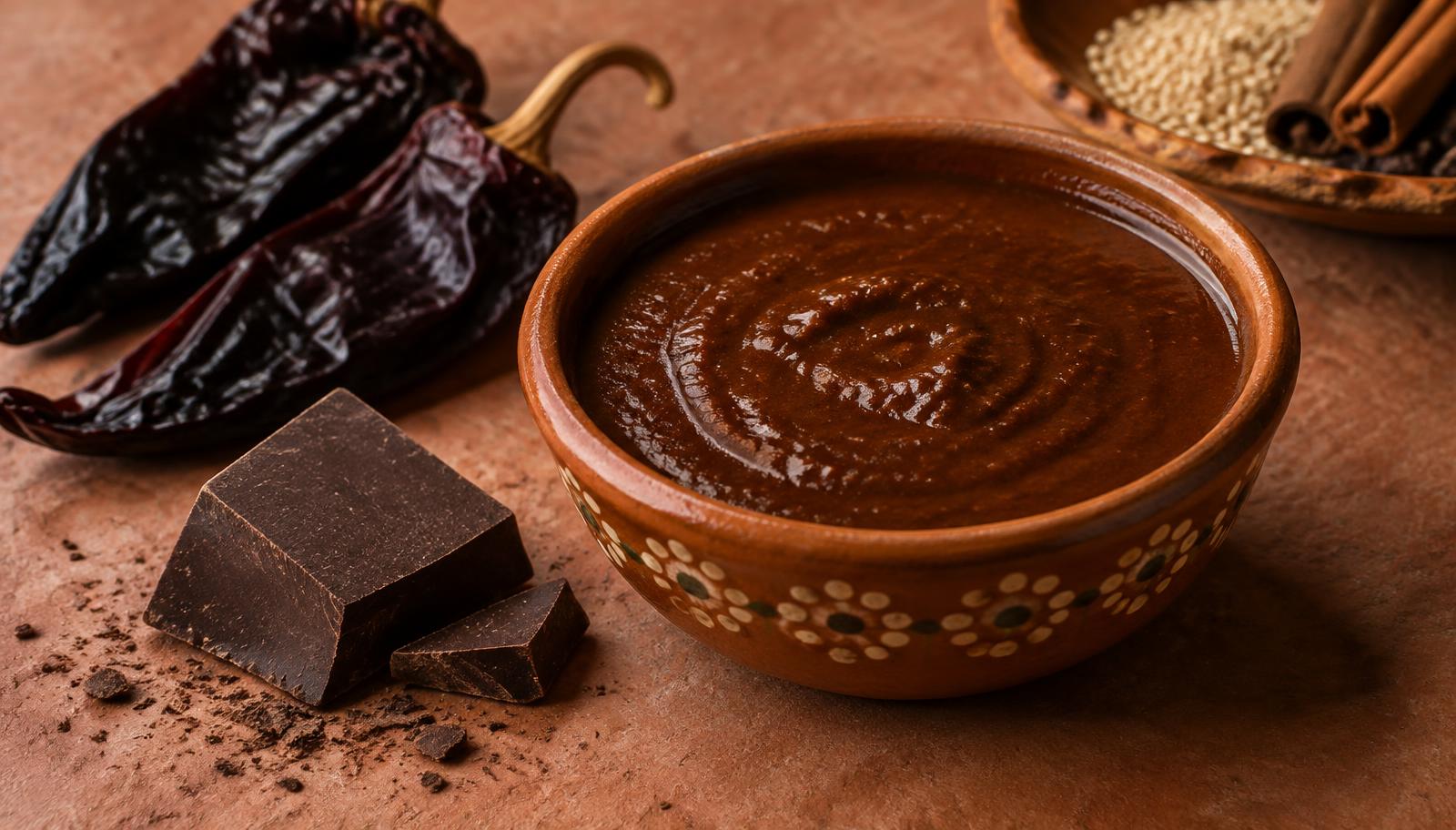
Chocolate with dairy and salt is not a modern stunt. For most of its history, cacao was savory or bitter rather than sweet. Mesoamerican drinking chocolate was flavored with chile, achiote, vanilla, and flowers, and sugar arrived with Europeans. Oaxacan and Pueblan mole preparations still use small amounts of chocolate as a background note in a chile-heavy sauce, which is the same logic as pairing it with Parmigiano: cocoa functions as depth, not dessert.
Modern chocolatiers have gone at it more directly. Vosges Haut-Chocolat in Chicago built bars around cheese and chocolate, and small producers in Vermont and Wisconsin have run cheddar-and-cacao collaborations for years. Cheese-focused publications have been pushing the combination as a serious tasting format rather than a novelty [2](https://www.cheeseprofessor.com/blog/pairing-cheese-and-chocolate-for-valentines-day). If you like the historical thread, our piece on what Romans actually put on their food covers a similar habit of mixing sweet and savory without embarrassment.
The genuinely strange part: cheese and chocolate share a mold family
Here is the fact to repeat at a dinner party. The blue veins in Stilton and Roquefort come from Penicillium roqueforti, and the fuzzy bloom on Brie from Penicillium camemberti. Penicillium molds also grow on fermenting cacao, where they are usually treated as a defect and controlled rather than encouraged. Same genus, opposite reputations, depending on whether you are making cheese or chocolate. The flavor overlap between a blue cheese and a well-fermented cacao is not entirely a coincidence of chemistry, it is partly a shared cast of microbes.
Related trick: dark chocolate's bitterness and the salt in cheese manipulate each other on the tongue in the same way salt makes coffee taste smoother. It is the same perceptual sleight of hand behind the way the right cheese makes cheap wine taste expensive, and it explains why so many people insist their chocolate got sweeter halfway through the bite.
How to run a chocolate and cheese tasting at home
- 1
Buy three cheeses and two bars, no more
Aged Gouda, a clothbound cheddar, and a blue cover the whole range. Get one bar around 70 percent and one around 80 percent from the same maker so you are comparing cocoa, not brands. Budget around 25 dollars total.
- 2
Let everything sit out for 45 minutes
Cold cheese has almost no aroma, and cold chocolate does not melt properly. Room temperature is not optional here, it is most of the effect.
- 3
Break the chocolate, do not slice it
Snapped shards have more surface area and thin edges that melt fast. A thick square just sits there while the cheese fades.
- 4
Cheese first, then chocolate
Take a small piece of cheese, chew twice, then add the chocolate. Reversing the order lets cocoa butter coat your tongue and mute the cheese entirely.
- 5
Add one bridge ingredient
Toasted walnuts, dried cherries, or a drop of honey pull almost any near-miss pairing together. Sourdough is a fine base, plain crackers mostly dilute things.
- 6
Write down the misses
The failures teach you the rule faster than the wins. Anything fresh, wet, and acidic will disappoint you, and knowing exactly how it disappointed is the point of a tasting.
Both foods are calorie dense, so a tasting plate is a treat rather than a health strategy, and this is general information rather than personalized dietary advice. If you want the same flavor logic in a dish instead of on a board, the browned butter and cocoa depth in our fudgy brownie recipe is a good place to notice it, and for another combination that reads as impossible on paper, see why lemon and cinnamon taste like cola.
When it does not work
Milk chocolate with a strong cheese is the most common failure. There is too much sugar and too much dairy on both sides, and the result is flat and cloying rather than balanced. Fresh, high-moisture cheeses are the other reliable miss: water and acidity cause cocoa butter to feel waxy, and the two textures never combine.
Washed-rind cheeses like Epoisses and Taleggio are the honest maybes. Their pungency can either amplify the cocoa's earthiness or overwhelm it entirely, depending on ripeness. Try them, but do not lead a tasting with them.
Frequently asked questions
Sources and further reading
Try the aged Gouda pairing tonight and tell us if it converted you, or make the case for the combination I called a skip. If you have found a fresh cheese that genuinely holds up against dark chocolate, I want to hear which one, because so far every one I have tried has lost.
Filed under
More from Science
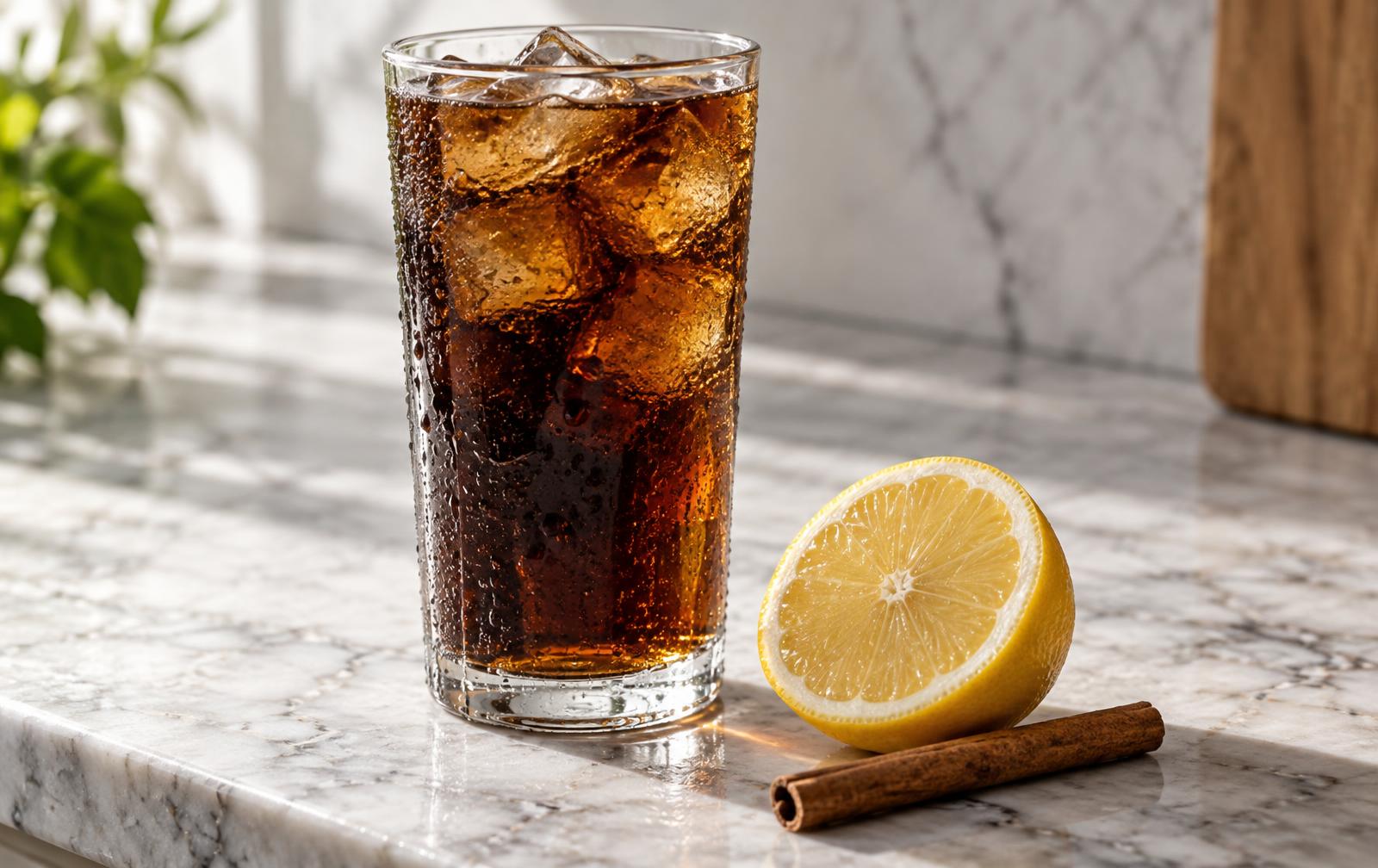
Why Lemon and Cinnamon Together Taste Like Cola
It is not a coincidence and it is not magic. Lemon and cinnamon taste like cola because cola was built from citrus oils and warm spice in the first place.
Tomás Reyes · · 10 min read
What Miracle Berry Actually Does to Your Taste Buds
Miracle berry doesn't numb your tongue or trick your brain. A single glycoprotein hijacks your sweet taste receptor and turns acid into its trigger.
Tomás Reyes · · 10 min read
Why Cilantro Tastes Like Soap to Some People
It's not pickiness. Cilantro and soap really do share aroma chemistry, and a specific stretch of DNA near a smell-receptor gene explains part of why some people notice it and some don't.
Clara Bennett · · 9 min read