
Why Lemon and Cinnamon Together Taste Like Cola
It is not a coincidence and it is not magic. Lemon and cinnamon taste like cola because cola was built from citrus oils and warm spice in the first place.
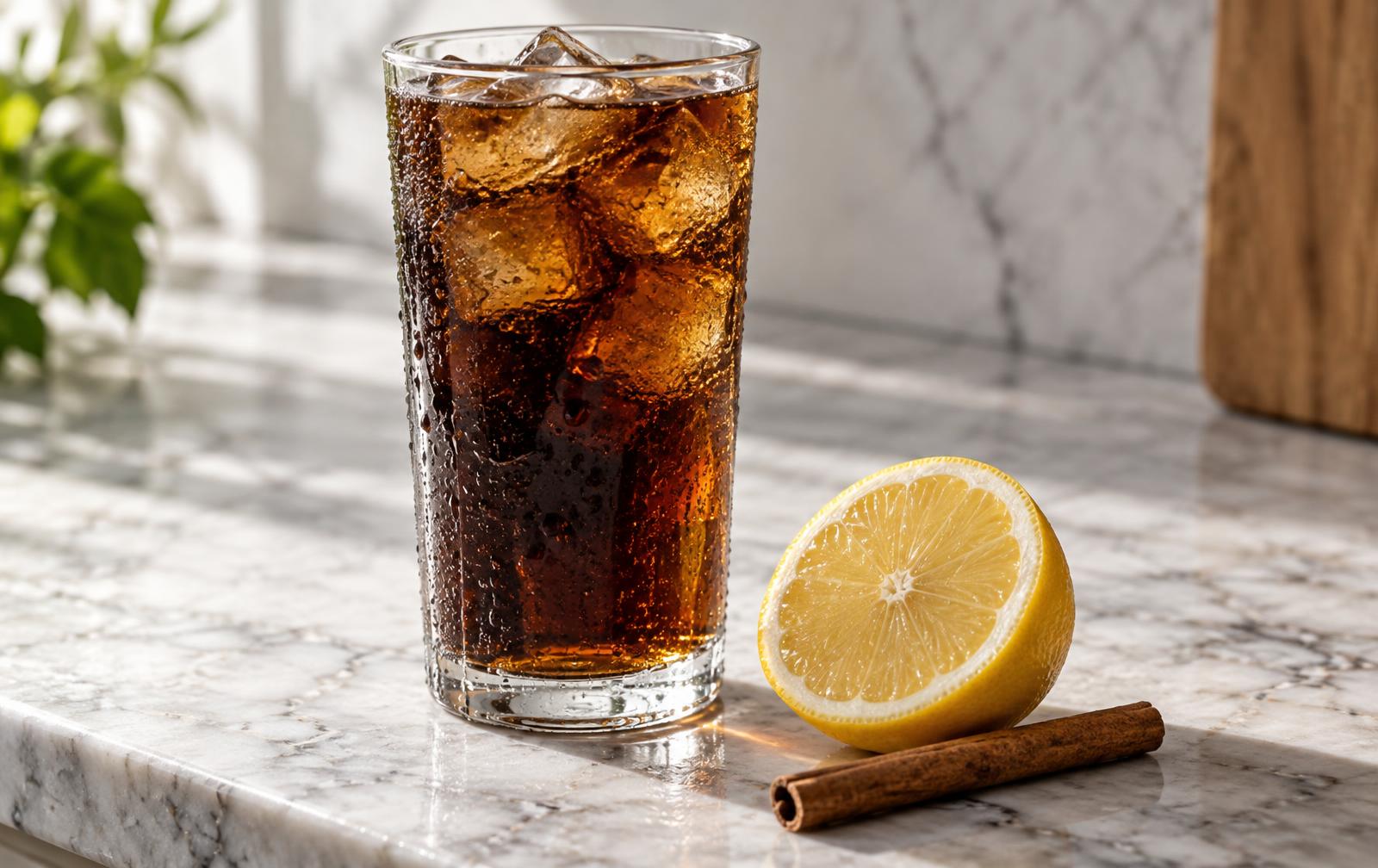
Squeeze fresh lemon into water, add a pinch of ground cinnamon, and something strange happens: it tastes like cola. Not vaguely spiced lemonade, but recognizably, unmistakably cola. The reason is not a trick of the tongue. Lemon and cinnamon together recreate the actual flavor architecture of cola, which has always been built from citrus peel oils layered over warm baking spices. Your brain isn't being fooled into inventing a flavor. It's recognizing a pattern it already knows.
Cola was never just "cola flavor"
Commercial cola recipes are famously secret, but the broad category is not a mystery to flavor chemists. Historic cola formulations, going back to 19th-century pharmacist-made tonics, were citrus-and-spice blends: oils extracted from lemon, lime, orange and sometimes bitter orange or neroli peel, combined with cinnamon or cassia bark, nutmeg, coriander seed, and vanilla, occasionally rounded out with a trace of clove or lavender. Kola nut contributed bitterness and caffeine, but the aroma, the part your nose does almost all the work on, came from that citrus-and-spice combination.
That's the important reframing: cola was never one exotic, unplaceable flavor. It's a familiar category, citrus plus warm spice, dressed up in caramel color and carbonation until it stopped reading as either ingredient on its own. Anyone who has made mulled wine or spiced orange tea has already tasted a cola-adjacent flavor without realizing it.
The specific compounds doing the work
Lemon's dominant aroma compounds are limonene, which gives that bright, generic citrus-peel smell, and citral, a more concentrated, almost floral-lemon note responsible for a lot of what we associate with "lemony." Cinnamon's signature compound is cinnamaldehyde, the molecule responsible for cinnamon's warm, slightly sweet, faintly hot smell. Nutmeg and coriander, when they show up in cola blends, add myristicin and linalool respectively, while vanilla contributes vanillin and clove contributes eugenol, both of which read as "warm" and round out sharper citrus notes.
None of these individually taste like cola. Cinnamaldehyde alone tastes like cinnamon. Limonene alone tastes like orange peel. But overlap citrus top notes with warm spice base notes in roughly the proportions a cola syrup uses, and you get a smell your brain has a folder for, even if you've never made that connection out loud. This is the same principle explored in how miracle berry rewires sweet perception: taste and smell chemistry is combinatorial, and small compound overlaps can trigger big, whole-pattern recognitions.
Your brain tastes patterns, not molecules
What you experience as "cola flavor" is mostly retronasal smell, aroma molecules reaching your olfactory receptors through the back of your throat while you swallow, combined with basic tastes (sweet, a little bitter, a little sour) and mouthfeel (carbonation's tingle). The brain's flavor system doesn't file this away compound by compound. It learns configurations, whole clusters of co-occurring signals, the way you learn a face rather than memorizing someone's individual features.
This is called odor-taste congruence and it's backed by a long line of sensory science: once an aroma has repeatedly co-occurred with a taste (say, vanilla with sweetness, or in this case citrus-plus-spice with cola's particular sweet-bitter-fizzy profile), the brain binds them into a single learned percept. Encounter a close enough subset of that original aroma pattern again, lemon oil plus cinnamaldehyde, and the brain doesn't cautiously report "partial spice-citrus match." It jumps to the nearest whole memory it has, which for most people who grew up drinking soda is cola.
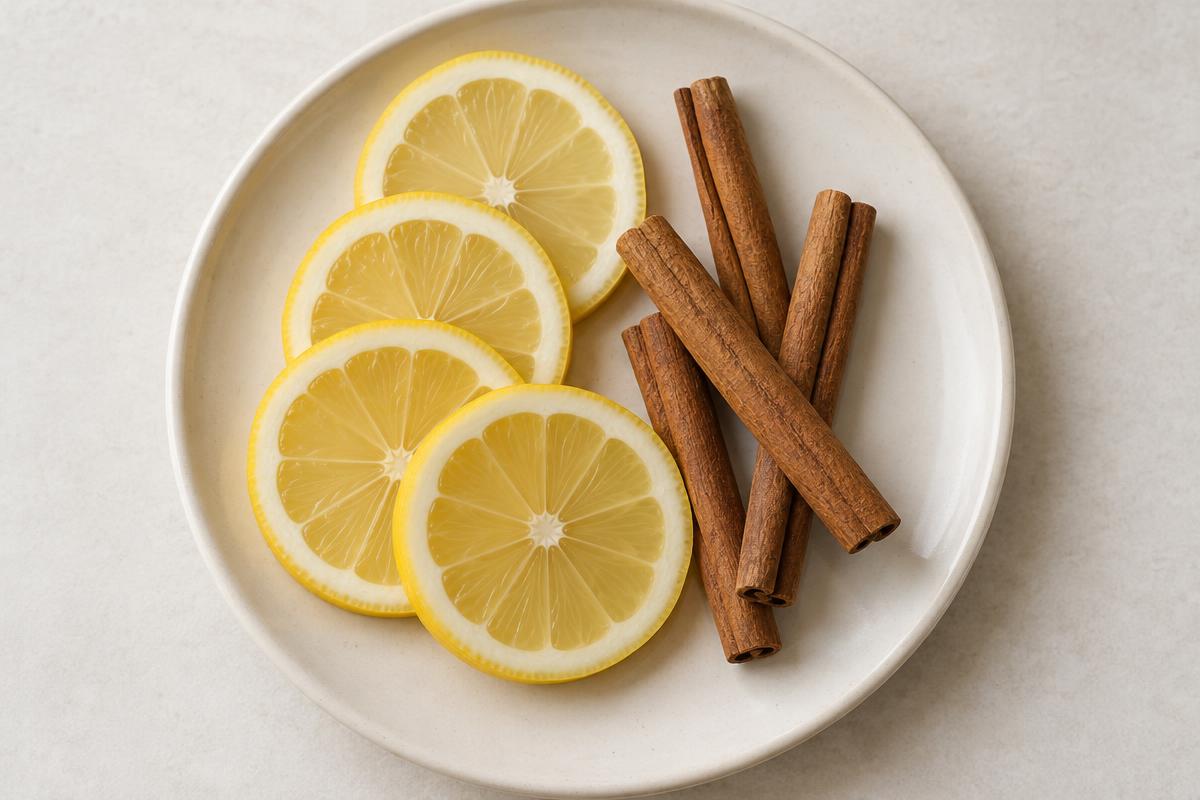
Why this isn't just a party trick
Flavor learning like this happens constantly and mostly invisibly. It's the same mechanism behind why a scent can instantly summon a specific memory, and why foods that share an aroma backbone can taste confusingly similar even when their ingredient lists don't overlap at all. Root beer works on an analogous principle, built from sassafras, wintergreen and vanilla rather than citrus and cinnamon, but landing in the same broad “cola-adjacent” cluster because it shares that warm-spice-plus-sweet architecture.
It also explains why home cooks stumble onto this pairing independently, in mulled cider, in spiced lemon tea, in old-fashioned cocktail syrups. Bartenders building cola syrups from scratch (a real, if niche, pursuit) use almost exactly this template: citrus peel oils, cinnamon or cassia, a touch of vanilla, sometimes a whisper of clove, macerated and then combined with sugar, acid and soda water. Reduce the recipe to its two loudest instruments, lemon and cinnamon, and you still get the tune.
Try it yourself
Simmer a few strips of lemon peel (avoid the bitter white pith) with a cinnamon stick in water and a little sugar for ten minutes, then strain and chill. Add soda water. It will not fool a cola sommelier, but it will taste startlingly closer to cola than logic says lemon and cinnamon syrup has any right to.
| Compound | Source | Character it adds |
|---|---|---|
| Limonene | Lemon, lime, orange peel oil | Bright, generic citrus top note |
| Citral | Lemon oil, lemongrass | Sharp, concentrated lemon aroma |
| Cinnamaldehyde | Cinnamon and cassia bark | Warm, faintly hot spice note |
| Vanillin | Vanilla bean or extract | Rounds out sharp notes, adds sweetness cue |
| Eugenol | Clove, some cinnamon varieties | Warm, slightly medicinal spice depth |
| Linalool | Coriander seed | Soft floral-citrus bridge note |
Informal home tasting: how "cola-like" each combo tasted
average rating out of 10 from a 6-person tasting panel
This is an informal in-house tasting, not published research, but it's a fun and repeatable kitchen experiment.
Where the science gets fuzzy
Because cola formulas are proprietary, no peer-reviewed paper lays out an exact ratio of limonene to cinnamaldehyde in any commercial soda. What flavor chemistry does establish clearly is the category: citrus oils and warm spices are the backbone of the cola flavor family, and learned aroma-taste associations explain why partial overlaps trigger full recognition. The leap from “cola contains citrus and cinnamon-family notes” to “here is the exact formula” is one flavor houses guard closely, and we should be honest that we're describing the documented flavor family, not reverse-engineering a specific brand's syrup.
Frequently asked questions
Sources and further reading
If you try the lemon-and-cinnamon test at home, notice what happens the moment you add a pinch of vanilla or a drop of vanilla extract. Most people report the cola illusion gets even stronger. Make your own batch, adjust the ratios and tell us where your kitchen version landed.
Filed under
More from Science
What Miracle Berry Actually Does to Your Taste Buds
Miracle berry doesn't numb your tongue or trick your brain. A single glycoprotein hijacks your sweet taste receptor and turns acid into its trigger.
Tomás Reyes · · 10 min read
Why Cilantro Tastes Like Soap to Some People
It's not pickiness. Cilantro and soap really do share aroma chemistry, and a specific stretch of DNA near a smell-receptor gene explains part of why some people notice it and some don't.
Clara Bennett · · 9 min read
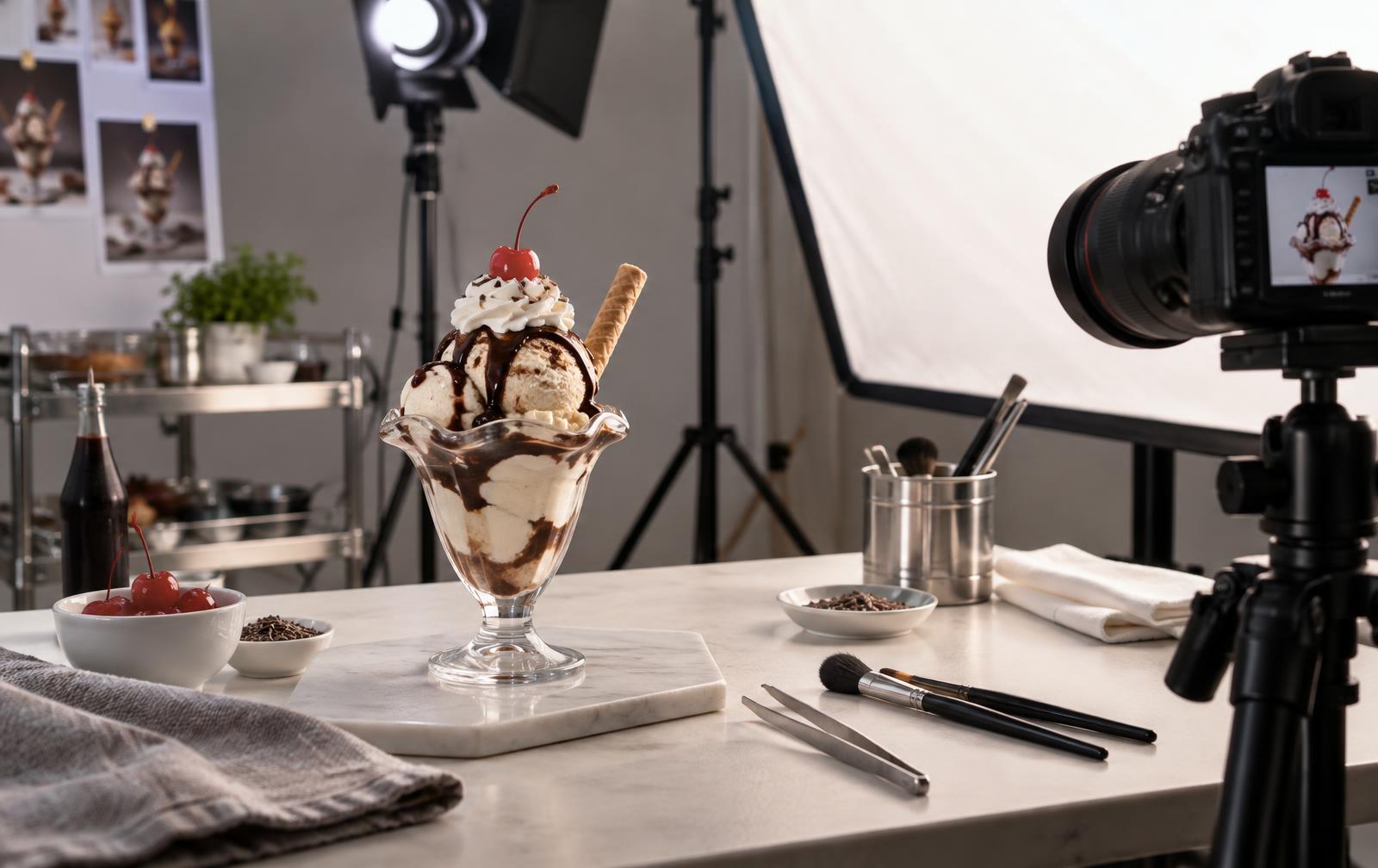
How Food Photographers Make Ice Cream That Never Melts
That flawless scoop under hot studio lights usually isn't ice cream at all. It's decades of styling tricks, from mashed potato to dyed shortening, and a modern pivot back toward the real thing.
Clara Bennett · · 10 min read