
What to Drink With Spicy Food (It's Not Water)
Capsaicin does not dissolve in water, so a glass of it mostly redistributes the burn. Full-fat dairy, sugar and starch actually work, and there is decent science behind why.
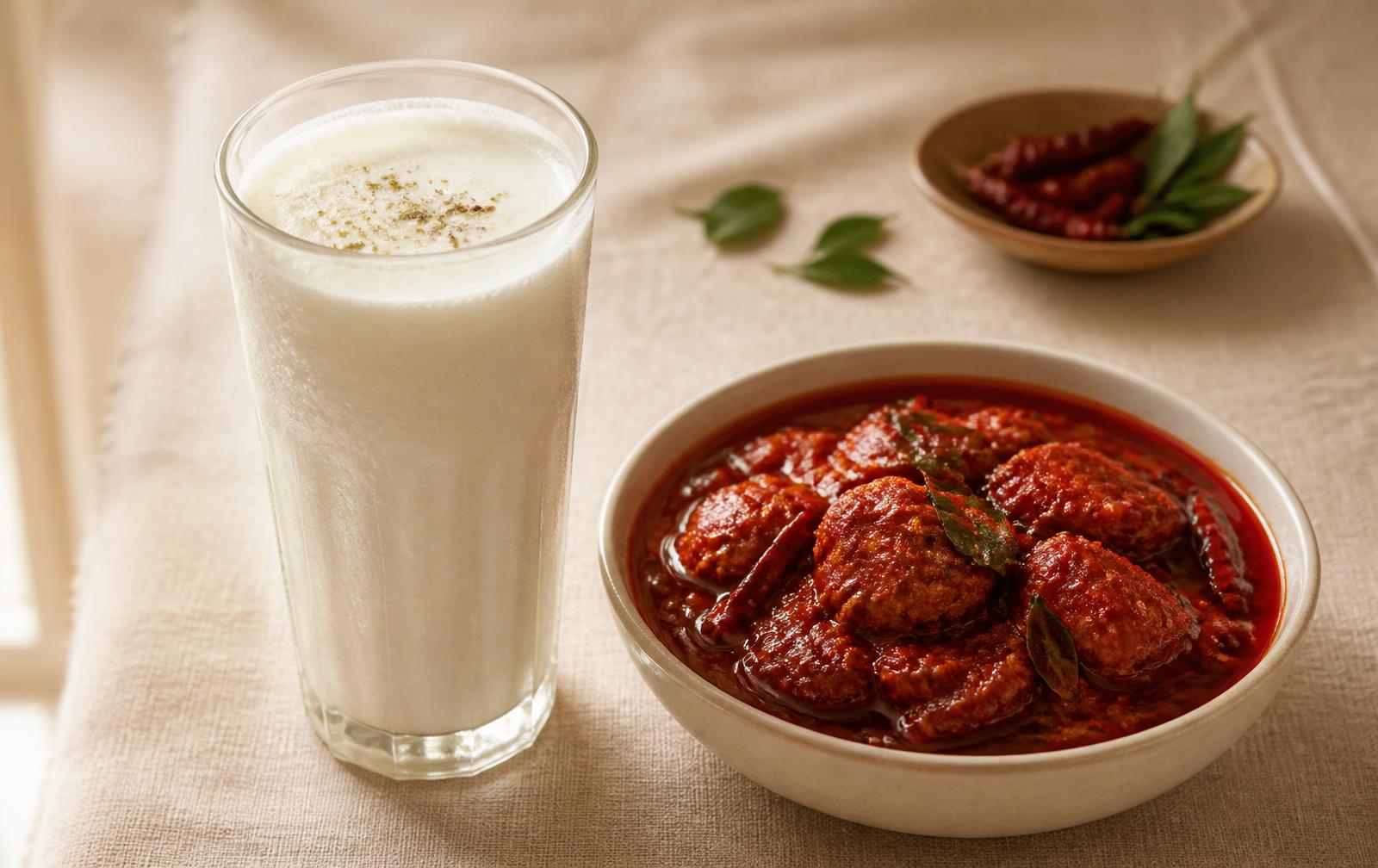
The best thing to drink with spicy food is cold whole milk, and a salted or sweet yogurt lassi is even better. Capsaicin, the compound that makes chiles burn, is fat soluble and almost insoluble in water, so a glass of water pushes it around your mouth instead of removing it. Milk carries fat for the capsaicin to dissolve into and casein protein that strips it off your pain receptors. If dairy is out, the next best options are sugary drinks, starchy ones like horchata or rice water, and a plain spoonful of something fatty. Beer is fine socially and mediocre chemically. Water is the worst common choice on the table.
Why water fails and fat works
The burn from chiles is not a taste, it is a pain signal. Capsaicin binds to TRPV1, a receptor on sensory nerve endings in your mouth that normally fires in response to heat above roughly 43 degrees Celsius (about 109 degrees Fahrenheit) and to acid. When capsaicin locks into it, your brain receives the same message it would get from a hot drink, which is why you sweat, tear up and flush even though nothing is thermally hot. The 1997 identification of TRPV1 as the capsaicin receptor is one of the cleanest pieces of sensory science there is, and the underlying work on how our bodies detect heat and touch won the 2021 Nobel Prize in Physiology or Medicine [1].
Capsaicin is a lipophilic molecule, meaning it prefers fat and oil to water. Rinsing your mouth with water is like trying to wash grease off your hands with cold water and no soap: the grease moves, it does not leave. Milk supplies both halves of the soap analogy. Its butterfat gives capsaicin somewhere to dissolve, and casein, the dominant milk protein, acts as a surfactant that surrounds capsaicin molecules and lifts them away from the receptor.
That means fat content matters more than most people expect. Skim milk still helps because casein does much of the work, but whole milk is noticeably better, and the same logic explains why a spoonful of full-fat yogurt, a bite of paneer or a splash of coconut cream all outperform a full glass of water. Penn State University's sensory research group, which studies capsaicin perception directly, has found that the effectiveness of a rinse tracks with fat and, importantly, with temperature [2].
The surprising part: cold matters almost as much as fat
Here is the detail that changes how you order. In Penn State work on capsaicin rinses, cold temperature was one of the strongest predictors of relief, at times rivaling fat content itself. Because TRPV1 is a temperature sensor as well as a chemical one, chilling the tissue directly reduces how loudly the receptor fires. A room-temperature glass of whole milk is helpful. A near-freezing one is dramatically more helpful.
This is also why ice cream, kulfi and falooda are traditional endings to spicy meals across South Asia rather than just dessert habits, and why frozen dairy beats refrigerated dairy in a genuine emergency. If your mouth is genuinely in trouble, cold full-fat ice cream is the single most effective thing in an average kitchen.
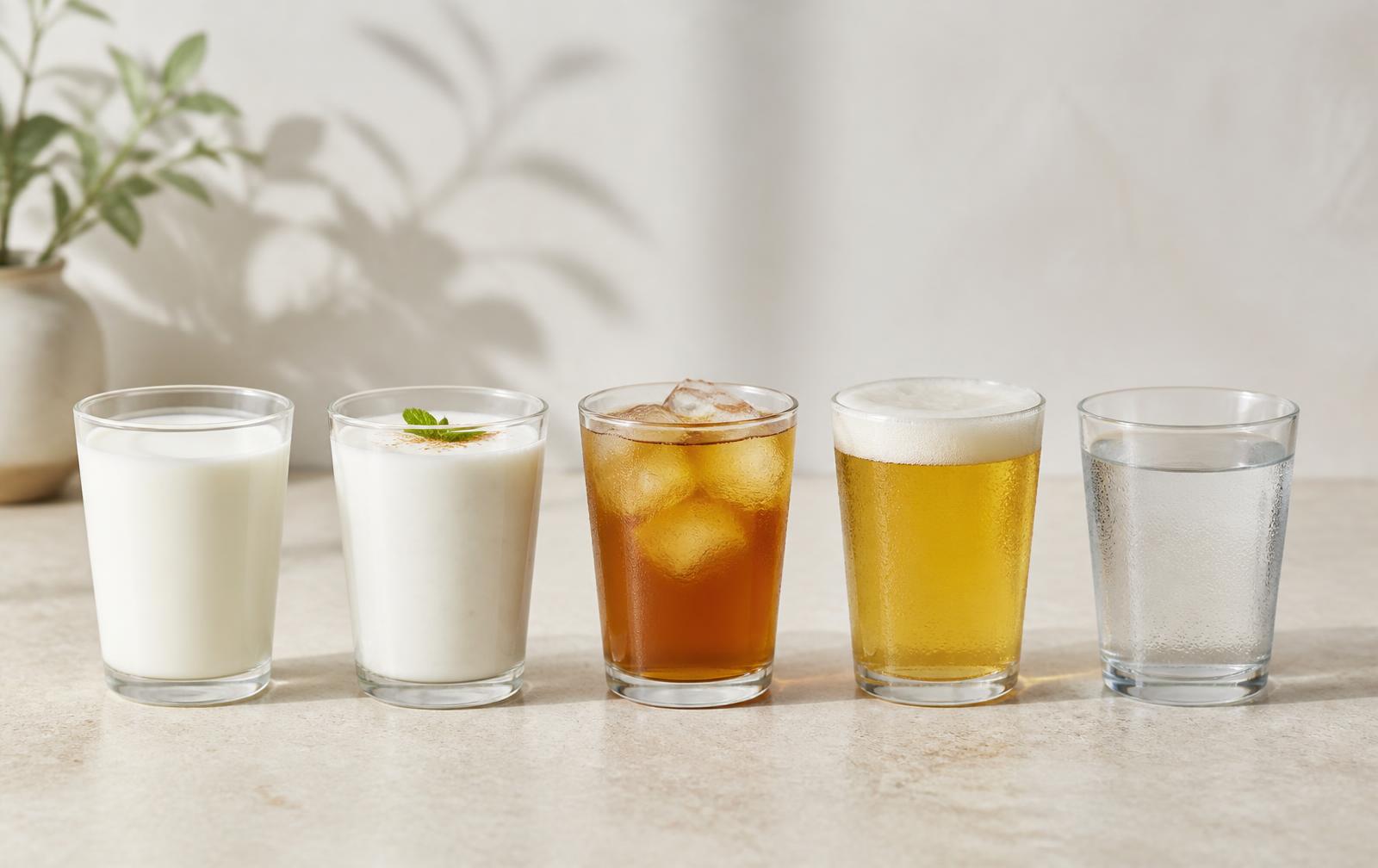
What to drink with spicy food, ranked
The criteria are simple and worth stating: how effectively the drink removes capsaicin, how good it tastes alongside chile heat rather than fighting it, and whether it makes the rest of the meal better or worse.
- 1
Yogurt lassi, ayran or doogh
Fat, casein, salt or sugar, and acidity in one cold glass. A salted lassi (namkeen lassi) in North India, Turkish ayran and Iranian doogh all exist for exactly this reason, served alongside food that runs hot. The acidity resets your palate between bites, so the fifth mouthful still tastes like something.
- 2
Cold whole milk
The reference standard, and the most available. Straight from the fridge, whole rather than skim, drunk in a mouthful you hold briefly before swallowing rather than gulped. Chocolate milk is marginally better again because sugar contributes its own suppression of burn.
- 3
Horchata or any sweet rice or nut drink
Mexican horchata pairs with chile-heavy food for two reasons: sugar dampens perceived heat, and the fine suspended starch and nut fat physically coat the mouth. Thai iced tea, condensed-milk Vietnamese coffee and Indian mango lassi work on the same combination.
- 4
Sweetened iced tea, lemonade or mango juice
No fat, so no real capsaicin removal, but sugar genuinely lowers perceived burn intensity and the volume of cold liquid helps. Sweet tea alongside hot fried chicken is a Southern pairing that happens to be chemically sensible.
- 5
Full-fat coconut milk drinks
The dairy-free answer. Coconut milk is roughly 20 percent fat in its thicker forms, which is more than whole milk, and it belongs flavorwise next to Thai, Sri Lankan and Keralan food. Oat and soy milk help far less because they carry much less fat and no casein.
- 6
Cold lager, the deliberately arguable call
Beer ranks lower than its reputation. Ethanol does dissolve capsaicin, but a 5 percent beer is mostly water, and alcohol also sensitizes TRPV1, so the relief is brief and the second half of the glass feels warmer than the first. The counterargument is fair: beer is carbonated, cold, bitter and cuts through fat, which makes it a genuinely good drink with wings even if it is a poor fire extinguisher. Enjoy it for the meal, not for the burn.
- 7
Plain water, still or sparkling
Last, and it is not close. Water spreads capsaicin across untouched tissue rather than removing it, and carbonation adds carbonic acid, which nudges the same receptor family that capsaicin activates. If water is all you have, cold water is still better than warm, but reach for anything on this list first.
| Drink | Fat | Removes capsaicin | Verdict |
|---|---|---|---|
| Yogurt lassi or ayran | Moderate to high | Yes, fat plus casein | Best overall, and it improves the meal |
| Cold whole milk | 3.25 percent | Yes, fat plus casein | Most effective everyday option |
| Ice cream or kulfi | High, and very cold | Yes, strongest of all | Emergency-grade relief |
| Horchata or Thai iced tea | Low to moderate | Partly, starch plus sugar | Excellent pairing, decent relief |
| Sweet iced tea or lemonade | None | No, but sugar masks heat | Good, especially with fried food |
| Coconut milk drink | High | Yes, fat only | Best dairy-free choice |
| Cold lager | None | Barely | Great with the food, poor on the burn |
| Water, still or sparkling | None | No, it spreads it | Worst common choice |
Sugar, salt and starch: the non-dairy levers
Sucrose reduces perceived burn, which is why sweet drinks feel like they help even without fat. The effect is partly sensory competition, since sweetness and pain intensity interfere with each other centrally, and partly practical, since sugary liquids are thicker and coat tissue better than water. This is the same principle behind adding palm sugar to a chile-heavy Thai dressing, and it is why the balance in a properly balanced weeknight pad Thai depends on sugar as much as on tamarind.
Starch works mechanically. Rice, bread, roti and the fine suspended starch in horchata physically absorb and trap capsaicin-carrying oil. It is not chemistry so much as a sponge, which explains why every serious chile-eating cuisine on earth serves its heat over a starch rather than alone.
Salt earns its place too. A salted lassi tastes better with heavily spiced food than a sweet one for most savory dishes, because salt heightens the food's own flavors that heat would otherwise flatten. If you have only had the mango version, order namkeen lassi next time with something fiery and note how much more of the dish you can actually taste.
Sichuan is a different problem entirely
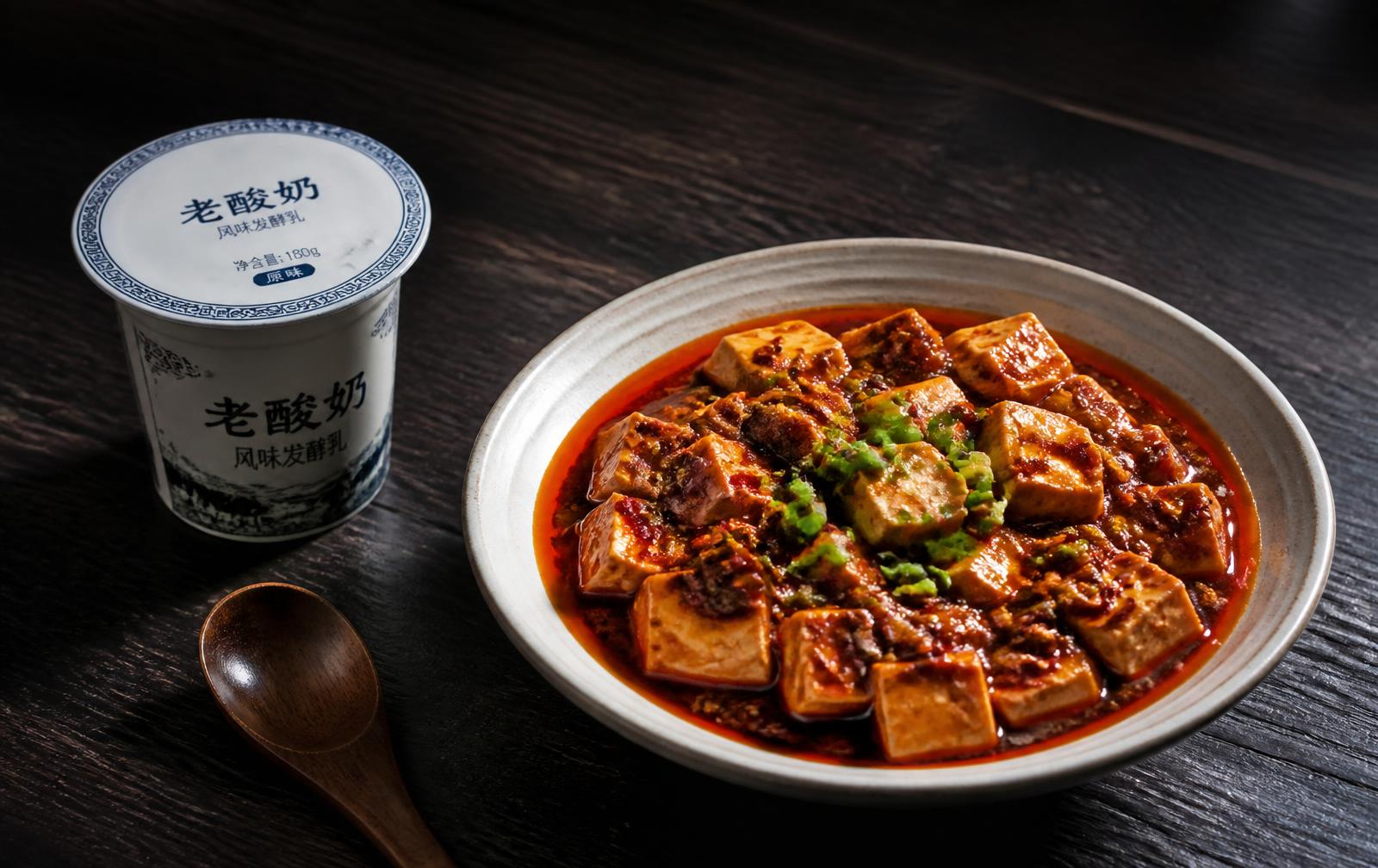
If your mouth is buzzing rather than burning, the culprit is not capsaicin. Sichuan pepper contains hydroxy-alpha-sanshool, which activates touch and vibration-sensing nerve fibers instead of heat receptors, producing the tingling ma la sensation. Research using controlled sanshool exposure has measured that tingle at a frequency near 50 hertz, which is why it feels genuinely like a vibration rather than a temperature [3].
Dairy does less for tingle than for burn, because there is no simple fat-solubility fix. What helps is time, plus something acidic and cold to distract the palate. Chinese restaurants often pour hot jasmine or pu'er tea alongside heavily numbing dishes, which sounds counterintuitive next to everything above, and it is: the tea is there to cut oil and reset the palate, not to reduce heat. It is a good reminder that traditional pairings solve several problems at once, which is also true of the way fat and salt change how wine reads on the palate.
Small things that matter more than the drink choice
- Hold the mouthful. Swishing cold milk for five seconds beats swallowing it instantly, because contact time is what lets casein do its job.
- Do not chase heat with sparkling water. Carbonation adds a mild acidic sting on top of the burn you already have.
- Skip spirits. Ethanol dissolves capsaicin in principle, but at drinking strength it also increases sensitivity, and a shot of tequila reliably makes the next bite worse.
- Eat the starch, not just the sauce. Rice or bread between mouthfuls does more than any drink to keep a hot dish enjoyable to the end.
- Build tolerance gradually if you want to. Repeated capsaicin exposure genuinely desensitizes TRPV1 over weeks, which is why regular chile eaters are not pretending.
One health note, offered plainly: this is general food information rather than personalized medical or dietary advice. Very spicy food can aggravate reflux and some digestive conditions, and extreme chile challenges have caused real medical harm, so if a specific food consistently causes you pain, that is worth raising with a clinician rather than out-drinking. If you are curious about the wider gap between food beliefs and evidence, our look at whether eating late at night actually causes weight gain follows the same approach.
The one-line answer to keep
Cold, fatty and slightly sweet or salty beats clear and cold every time. Keep whole milk or a bottle of lassi in the fridge when you cook with chiles, and treat water as the thing you drink after the burn has passed, not during it. If you like a good food myth taken apart properly, our piece on why cilantro tastes like soap to some people is the same kind of story with a genetic twist.
Spicy food and drinks: common questions
Sources and further reading
- Nobel Prize in Physiology or Medicine 2021, receptors for temperature and touch (TRPV1)
- Physiology & Behavior, effectiveness of oral rinses on capsaicin burn (Penn State sensory research)
- Nature Neuroscience via PMC, hydroxy-alpha-sanshool and the tingling sensation of Sichuan pepper
- Wall Street Journal, How Does Spicy Food Work? Spiciness, Explained With Science
Filed under
More from Drinks
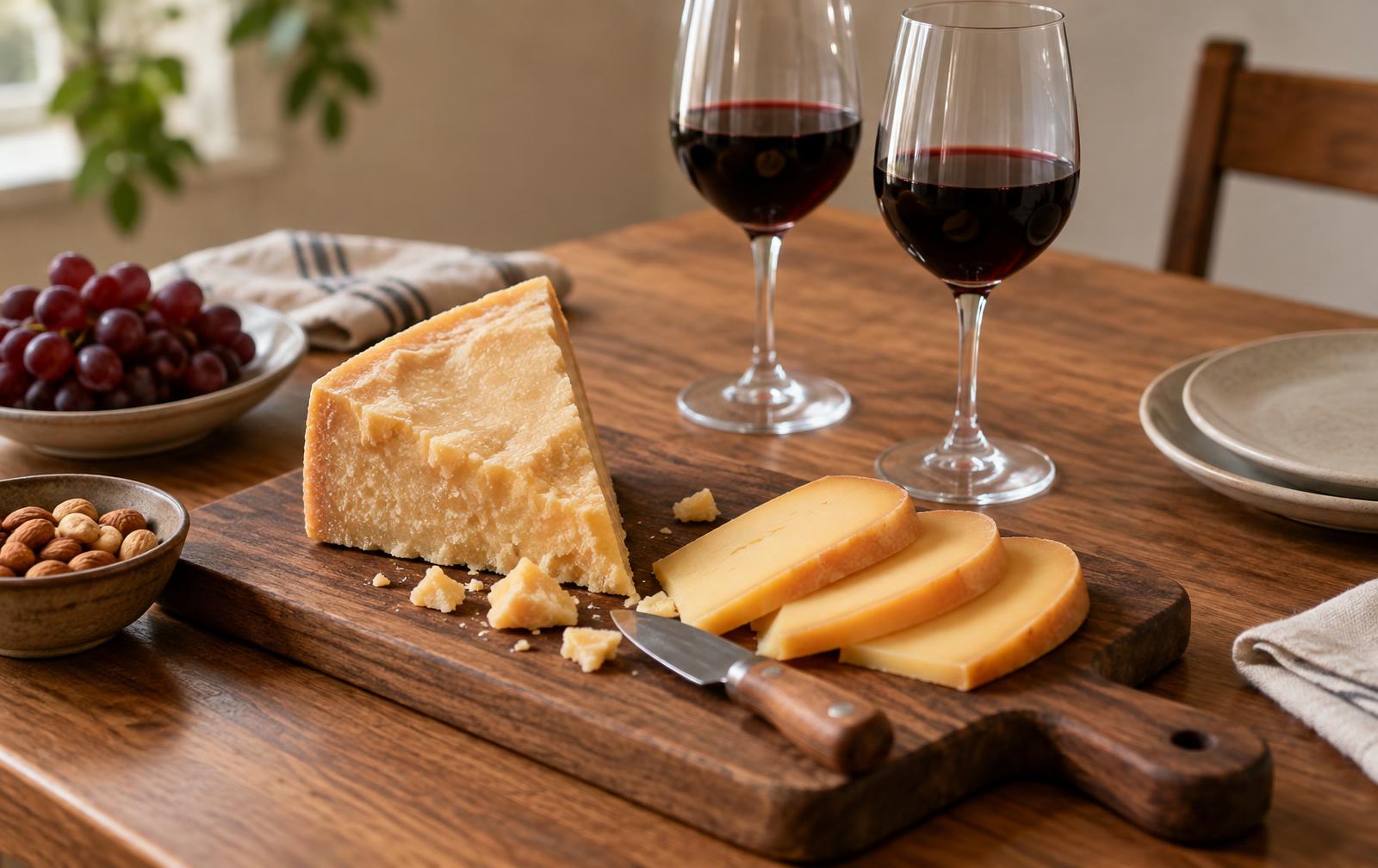
The Surprising Cheese That Makes Cheap Wine Taste Expensive
A wedge of aged Gouda does more for a $9 bottle than a decanter ever will. Fat, salt and crystallized amino acids reshape how harsh tannin and acid actually read on the palate.
Nadia Okonjo · · 8 min read
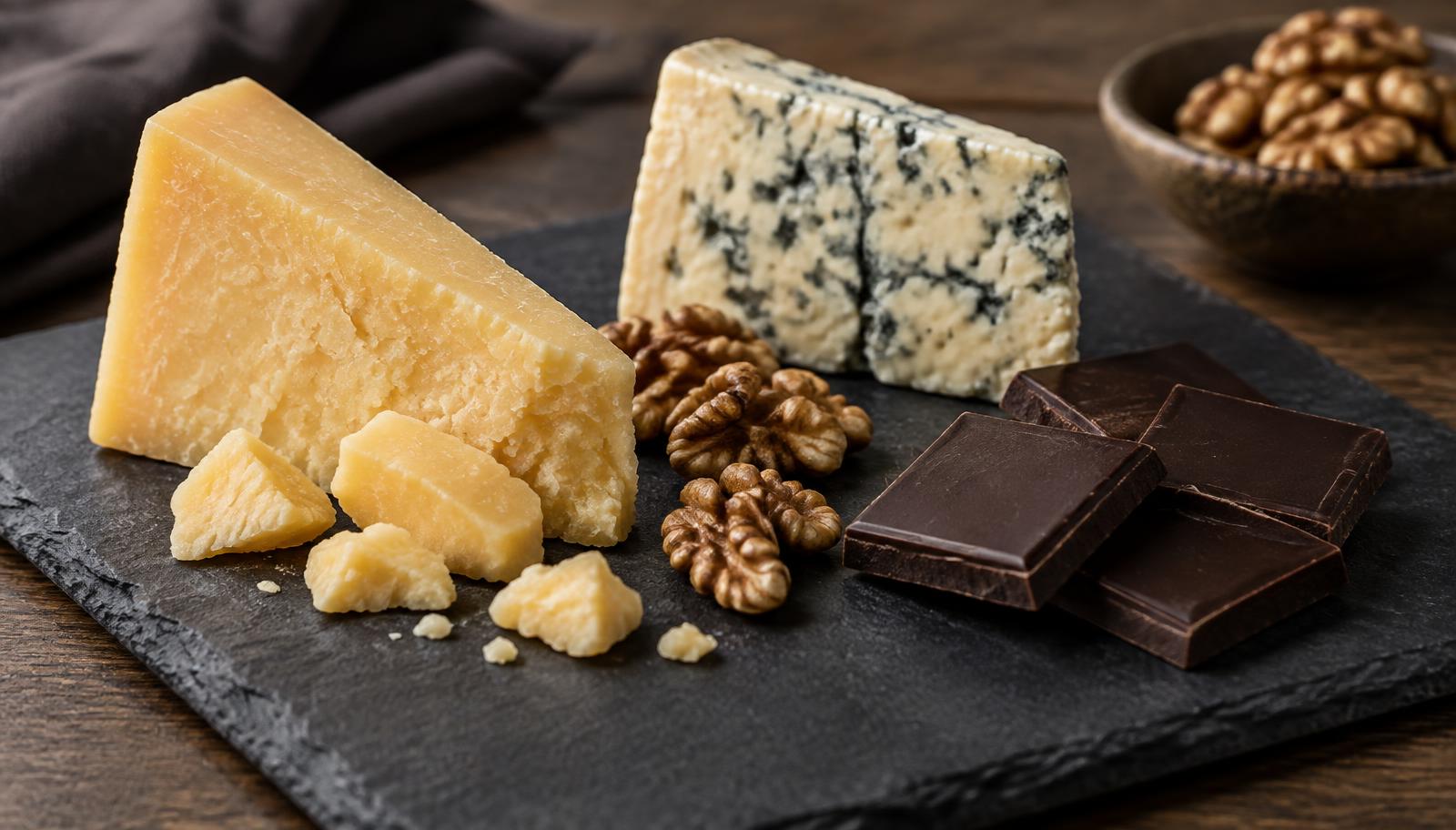
Chocolate and Cheese: The Pairing That Shouldn't Work but Does
Aged cheese and dark chocolate share more flavor chemistry than almost any other pair on the board. Once you taste it, the cracker starts to feel unnecessary.
Priya Raman · · 10 min read
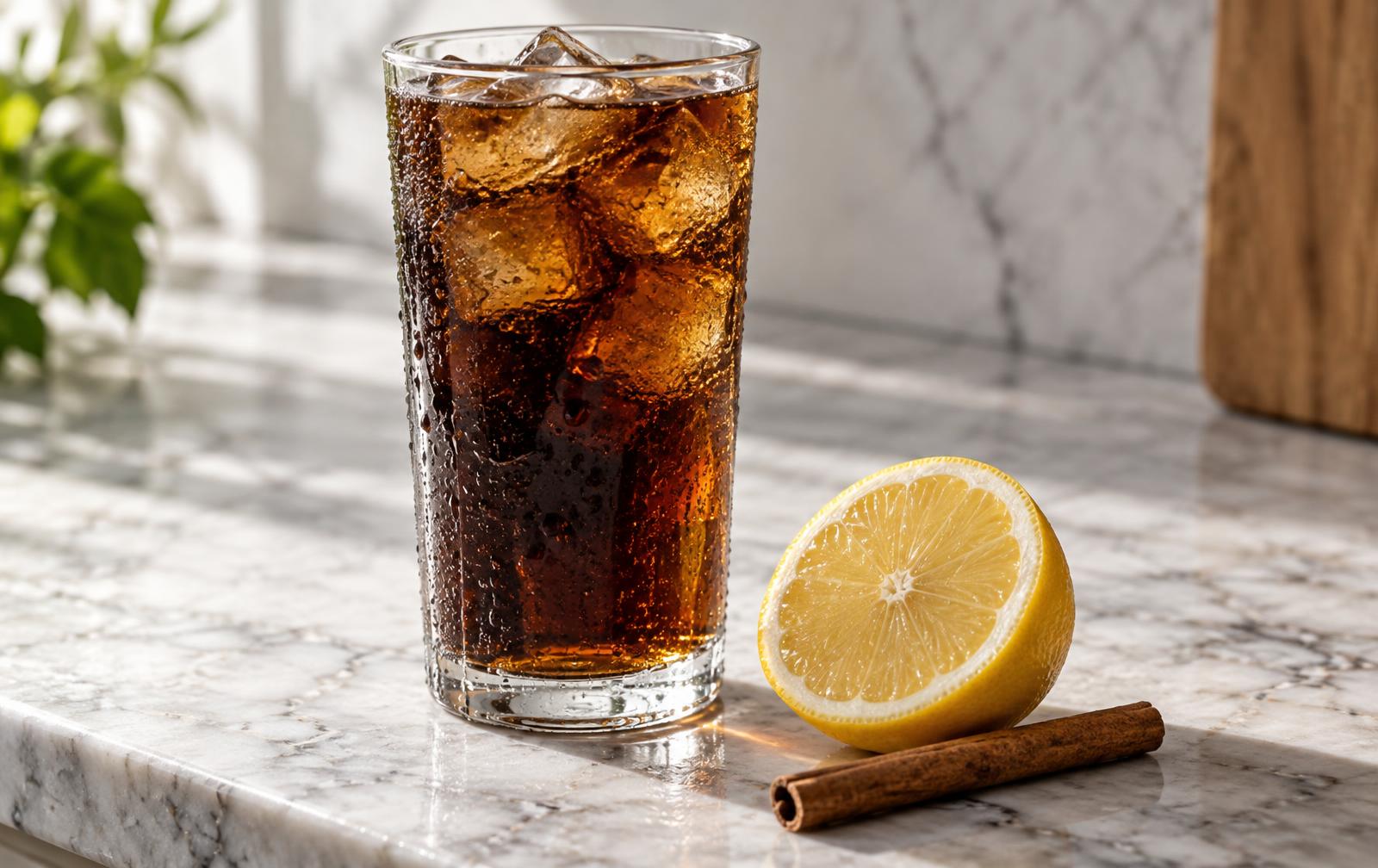
Why Lemon and Cinnamon Together Taste Like Cola
It is not a coincidence and it is not magic. Lemon and cinnamon taste like cola because cola was built from citrus oils and warm spice in the first place.
Tomás Reyes · · 10 min read