
Why Cilantro Tastes Like Soap to Some People
It's not pickiness. Cilantro and soap really do share aroma chemistry, and a specific stretch of DNA near a smell-receptor gene explains part of why some people notice it and some don't.
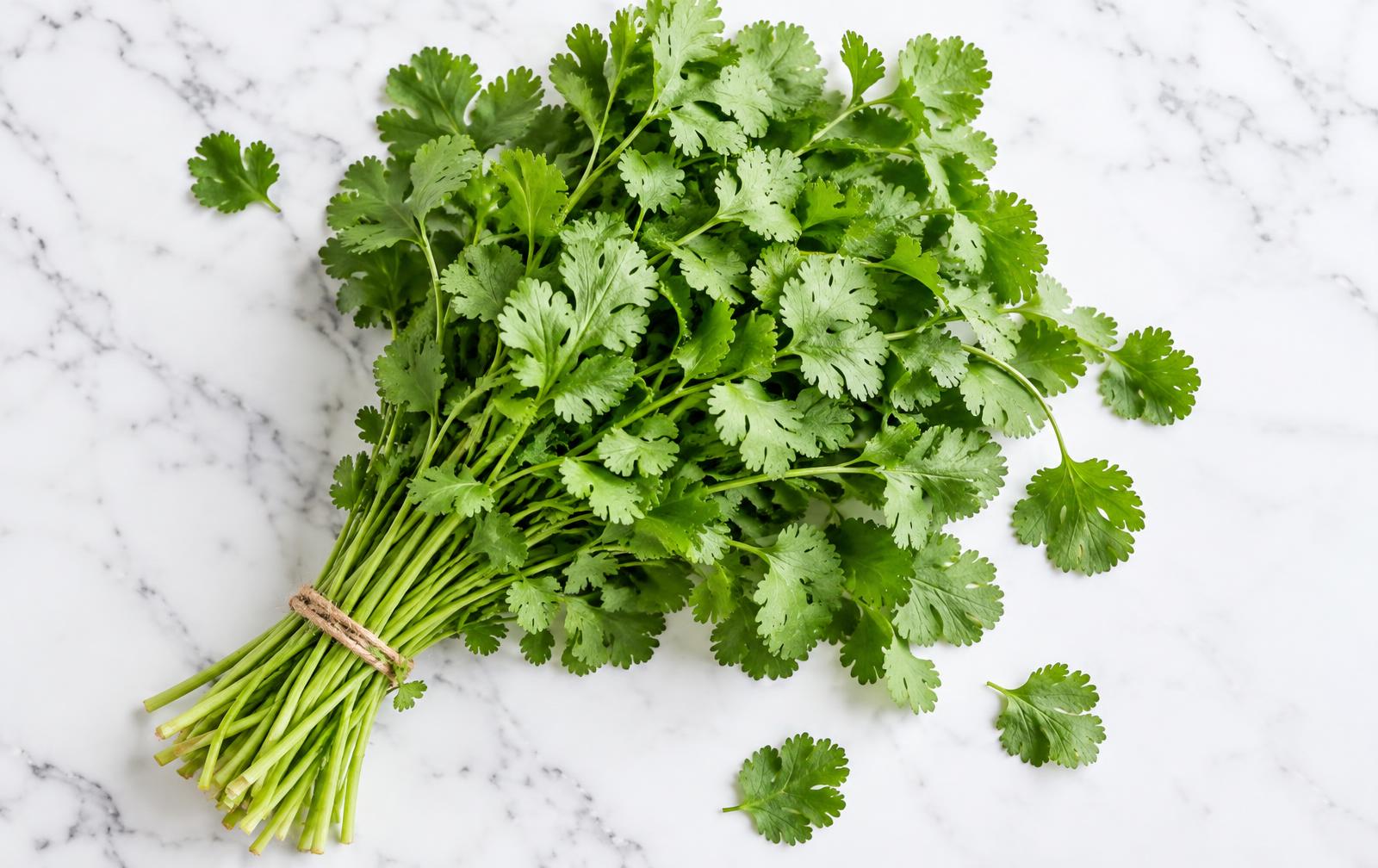
Cilantro tastes like soap to some people for a real chemical reason, not a quirk of imagination: fresh cilantro leaf contains aldehyde compounds that are chemically similar to ones used in soaps and lotions, and a specific region of DNA near the olfactory receptor gene OR6A2 is associated with how strongly people perceive that soapy note. Genetics is only part of the story though, and it explains a modest slice of who ends up hating cilantro, not the whole picture.
The chemistry: why soap is a fair comparison
Cilantro's aroma comes from a mix of aldehydes, the same broad family of molecules responsible for a lot of "green," "fatty," and "waxy" smells across nature. Several of cilantro's specific aldehydes, notably (E)-2-decenal and related unsaturated aldehydes, are structurally close to compounds also used as fragrance components in soaps, lotions and some cleaning products. This isn't a coincidence born of imagination: it's a real, measurable overlap in the molecules themselves.
For most people, the brain reads this aldehyde mix as "herbal" or "citrusy," filed alongside dill and lemon zest. For a smaller group, the same molecules get flagged as "soapy" or "like a chemical cleaner," an unpleasant, almost inedible association. Both groups are smelling the same compounds accurately. The difference is in how strongly certain receptors fire, and how the brain has learned to categorize that particular smell signature.
The OR6A2 gene connection
A widely cited genome-wide association study, run through the consumer genetics company 23andMe, looked for genetic variants that correlated with self-reported cilantro aversion across a large survey population. It identified a variant near OR6A2, a gene that codes for an olfactory receptor known to be involved in detecting aldehyde compounds, as significantly associated with perceiving cilantro as soapy or unpleasant.
That's a meaningful, biologically plausible finding: it makes sense that a receptor tuned to aldehydes would influence how strongly someone notices the aldehyde-driven soapy note in cilantro. But it's important to be precise about the size of the effect. The genetic variant identified explained only a small percentage of the variation in cilantro perception across the study population, not the majority of it. Twin studies examining food preference more broadly have found genetics typically accounts for a modest, not dominant, share of taste aversions like this one.
So what explains the rest of it?
Culture and exposure do a lot of the remaining work. Population surveys have found that cilantro dislike is reported less often in countries and communities where the herb is a daily staple, like much of Latin America, South Asia and Southeast Asia, and reported somewhat more often in populations with less regular exposure to it historically, patterns broadly consistent with places like parts of Northern Europe and East Asia. Repeated, positive exposure to a flavor in childhood appears to genuinely shift adult perception of it, the same mechanism explored in how flavor pairings get learned as patterns, applied here to a single ingredient instead of a combination.
There's also a straightforward expectation effect: once someone has been told cilantro tastes like soap, or has one bad early experience with it, that framing can color future tastings even when the raw sensory input is identical. This doesn't mean cilantro dislike is "all in your head", the aldehyde chemistry and the OR6A2 association are real, measurable biology, but it does mean nature and nurture are tangled together here rather than one clean genetic switch flipping soap-taste on or off.
Practical fixes that actually work
- Bruise or crush the leaves first (in a mortar and pestle, or the flat of a knife). This ruptures plant cells and starts breaking down some of the aldehydes before they hit your tongue.
- Chop it finely rather than leaving whole leaves, which spreads exposure and can reduce the sharp, concentrated hit of aroma from a single bite.
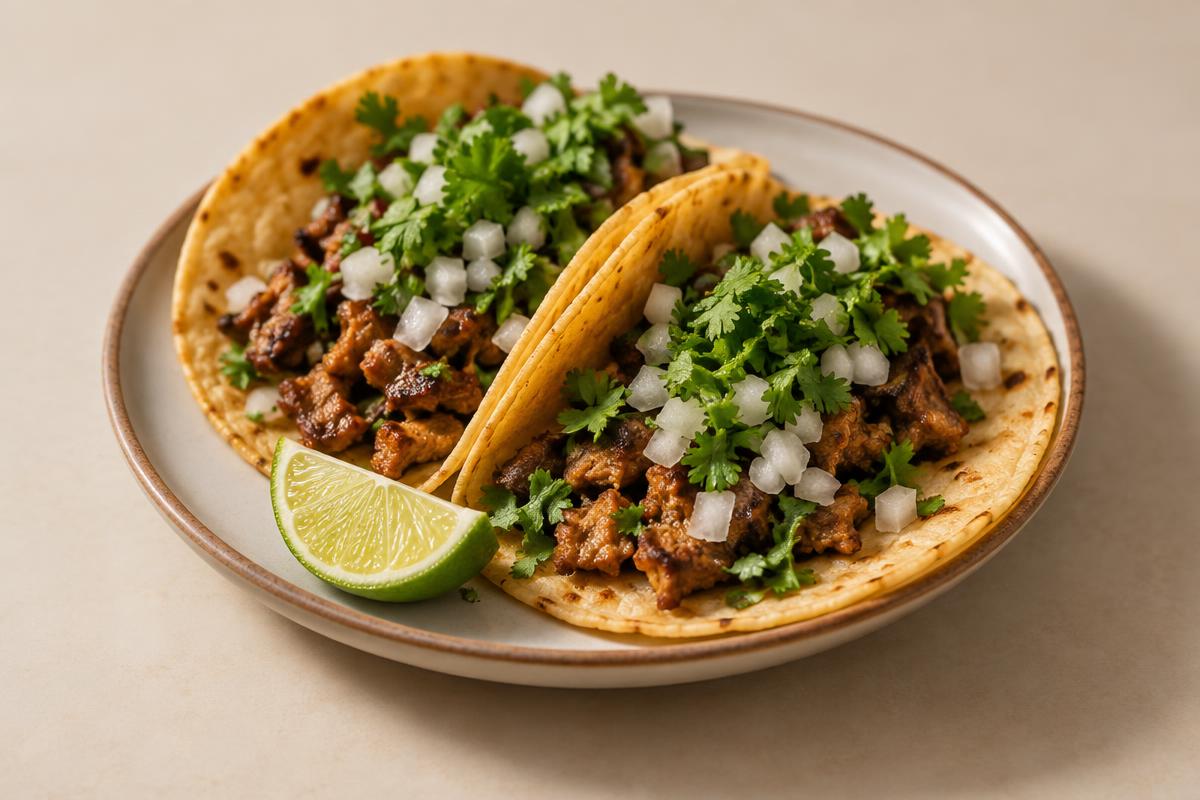
- Cook it, even briefly. Heat degrades some of the volatile aldehydes responsible for the soapy note, which is part of why cilantro stirred into a hot broth reads milder than raw cilantro on top.
- Use the stems, which carry a milder, greener flavor than the leaves and are common in Southeast Asian cooking for exactly this reason.
- If none of that helps, parsley, especially flat-leaf, or a mix of mint and basil can stand in for cilantro's fresh, green top note in most recipes without the aldehyde profile that triggers the reaction.
| Compound | Aroma character | Shared with |
|---|---|---|
| (E)-2-decenal | Soapy, waxy, green | Some soap and cosmetic fragrances |
| (E)-2-dodecenal | Fatty, green, tallow-like | Fragrance and flavor industry aldehyde blends |
| Decanal | Citrusy, slightly waxy | Citrus peel oils, some cleaning products |
| Linalool | Floral, slightly spicy | Coriander seed, lavender |
Share of cilantro's "soapy" perception explained by different factors
estimated relative contribution (%)
Illustrative breakdown based on published GWAS and twin-study findings on cilantro aversion; exact percentages vary by study and population.
Not the only ingredient with a divided reputation
Cilantro is the most famous example of a taste split running along partly genetic lines, but it's not the only one. Perception of bitterness in vegetables like broccoli, and reactions to sweeteners and even certain traditional holiday staples can carry similar genetic threads. It's a useful reminder that “picky eating” is frequently a receptor-level difference rather than a character flaw, worth remembering the next time someone at the table insists a dish “obviously” tastes fine.
Frequently asked questions
Sources and further reading
If you love cilantro or can't stand it, the more interesting question is when that changed for you, or whether it ever has. Tell us which side of the OR6A2 line you're on.
Filed under
More from Science

Why Lemon and Cinnamon Together Taste Like Cola
It is not a coincidence and it is not magic. Lemon and cinnamon taste like cola because cola was built from citrus oils and warm spice in the first place.
Tomás Reyes · · 10 min read
What Miracle Berry Actually Does to Your Taste Buds
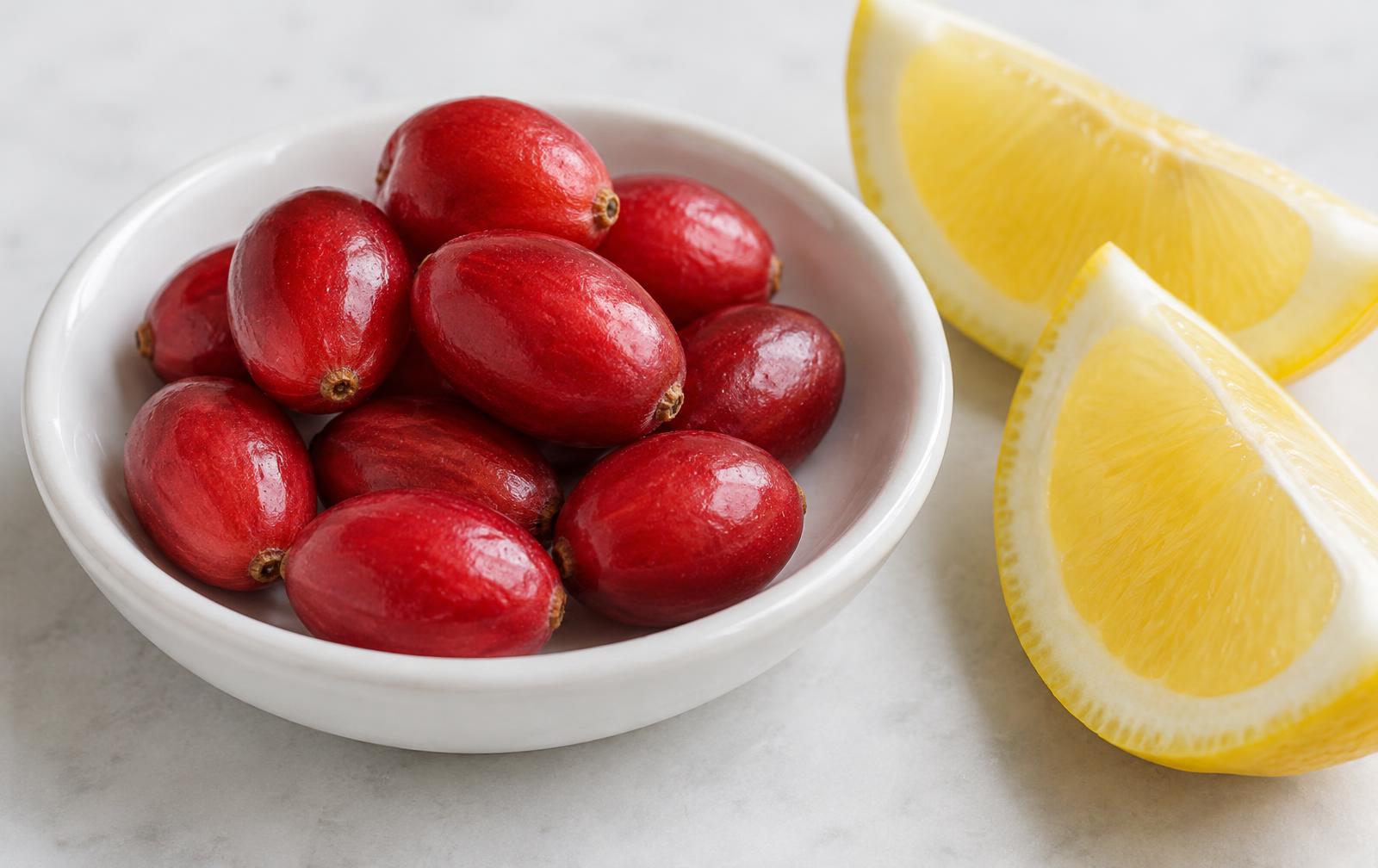
Miracle berry doesn't numb your tongue or trick your brain. A single glycoprotein hijacks your sweet taste receptor and turns acid into its trigger.
Tomás Reyes · · 10 min read

How Food Photographers Make Ice Cream That Never Melts
That flawless scoop under hot studio lights usually isn't ice cream at all. It's decades of styling tricks, from mashed potato to dyed shortening, and a modern pivot back toward the real thing.
Clara Bennett · · 10 min read