
Every Popular Hot Sauce, Ranked by Heat and Flavor
Ten supermarket hot sauces, ranked on heat, flavor and how often you'll actually reach for the bottle. One Mexican table sauce that costs about two dollars takes the top spot.
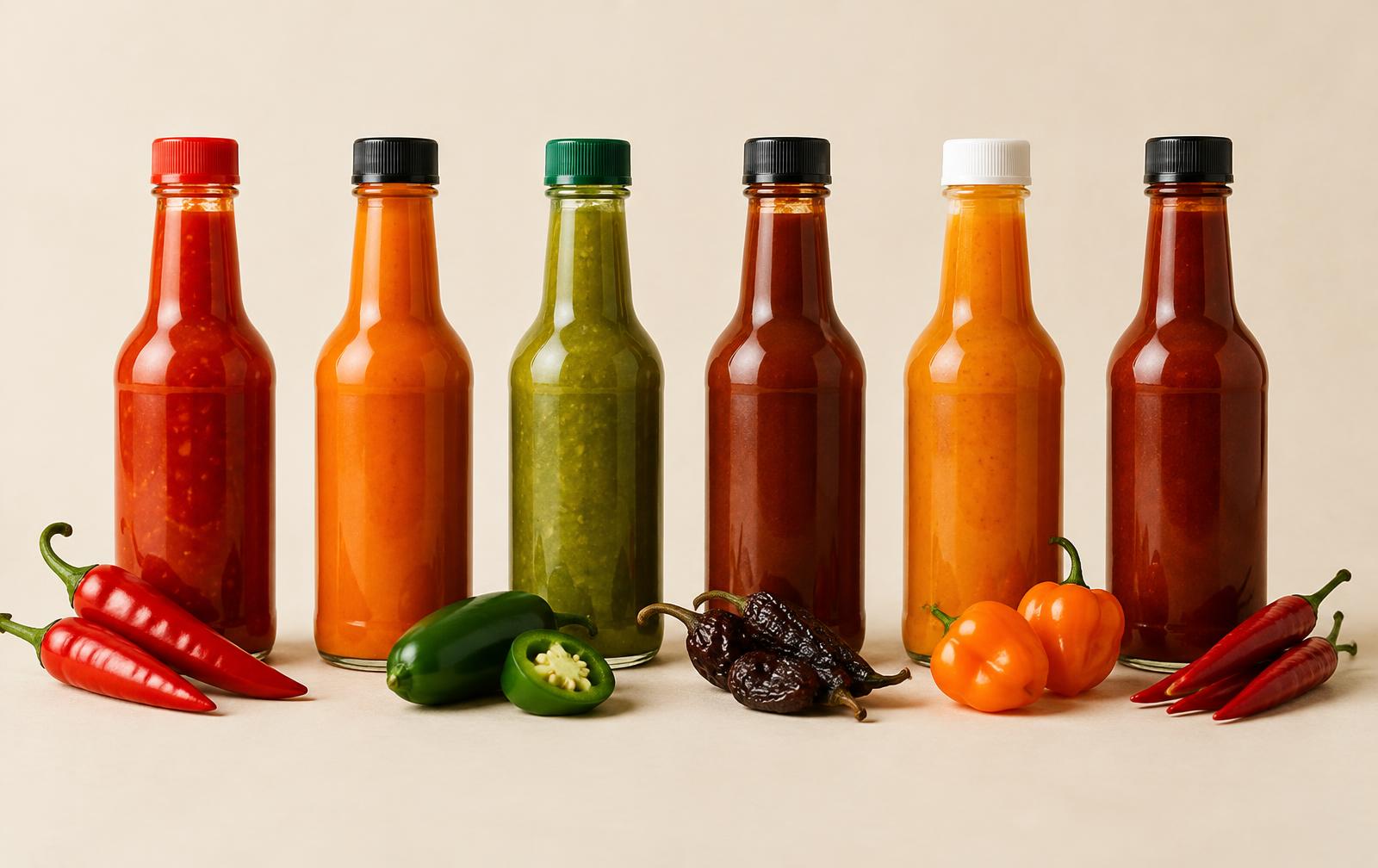
Here is every popular hot sauce ranked by heat and flavor, best first: Valentina, Crystal, El Yucateco Red Habanero, Huy Fong Sriracha, Frank's RedHot, Cholula, Tapatío, Tabasco Original Red, Texas Pete and Louisiana Hot Sauce. On heat alone, the order looks very different. The mildest bottles on the list (Frank's and Louisiana) sit around 450 Scoville heat units, while El Yucateco's red habanero is roughly thirteen times hotter. The winner, though, isn't the hottest. It's a thick, chile-forward Mexican sauce that tastes like peppers, not vinegar, and usually costs less than a latte.
How we ranked these hot sauces
Four criteria, weighted equally. Flavor: does it taste like chile, or mainly like salt and vinegar? Heat quality: not just how hot it is, but whether the burn builds pleasantly or just stabs. Texture: thin sauces run off food, thicker ones cling. Range: how many foods it actually improves. A sauce can be mild and still rank high if it does a lot with a little.
A note on the numbers. The Scoville scale, created by pharmacist Wilbur Scoville in 1912, originally measured how far a chile extract had to be diluted before tasters stopped feeling the heat. Labs now measure capsaicin directly, but most brands never publish a lab result. The figures below are manufacturer claims or widely reported estimates, such as CBS News' heat ranking of popular sauces. They're not our own lab tests. Treat them as a guide to how hot each bottle feels, not exact measurements.
Approximate heat of popular hot sauces
Scoville heat units (midpoint of reported range)
Takeaway: the most popular supermarket hot sauces are all mild compared with a raw jalapeño, which runs roughly 2,500 to 8,000 SHU.
Every popular hot sauce, ranked from best to worst
- 1
1. Valentina Salsa Picante
Valentina comes from Guadalajara, Jalisco, and it's everywhere in Mexico, on street carts, in cantinas and on bags of chips. It's thicker than the Louisiana sauces, less vinegary, and tastes mainly of dried chile (puya and árbol-style heat) with a little earthy sweetness. The yellow label is around 900 SHU, according to CBS, and the Black Label (Extra Hot) is commonly listed at about 2,100. Why it's number one: it clings to food, it's balanced enough to use by the spoonful, and it improves almost anything, from fresh mango and cucumber with lime to popcorn, fried eggs and elote. A huge bottle usually costs about two dollars at US grocery stores. If you've eaten through our list of <a href="/world-food/dishes-to-eat-in-mexico">dishes you have to eat in Mexico</a>, you've probably seen it on the table.
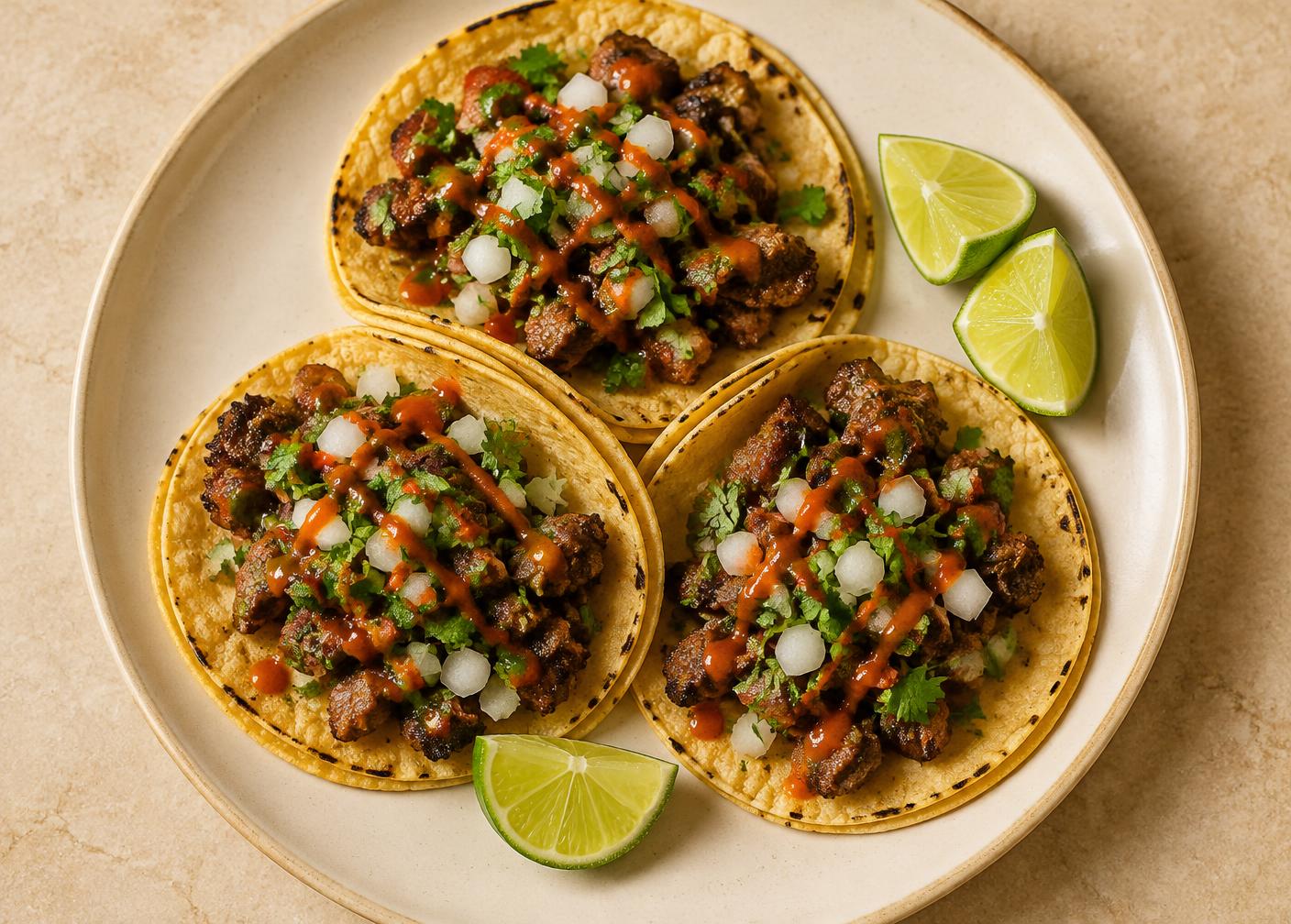
Mexican table sauces like Valentina are made to be poured on generously, which is why they're chile-forward rather than scorching. - 2
2. Crystal Hot Sauce
Crystal is made by Baumer Foods in Louisiana from aged red cayenne peppers, vinegar and salt, and it's the sauce many New Orleans cooks actually keep at home. It's widely reported at about 4,000 SHU, though it feels milder than that. Compared with Tabasco, it has more body, more real pepper flavor, and less of that sharp, stinging vinegar. In the Epicurious video below, pepper breeder Ed Currie calls it "probably the best-tasting of the table sauces." It's perfect on fried chicken, red beans and rice, oysters and gumbo, and a splash in a Bloody Mary is hard to beat.
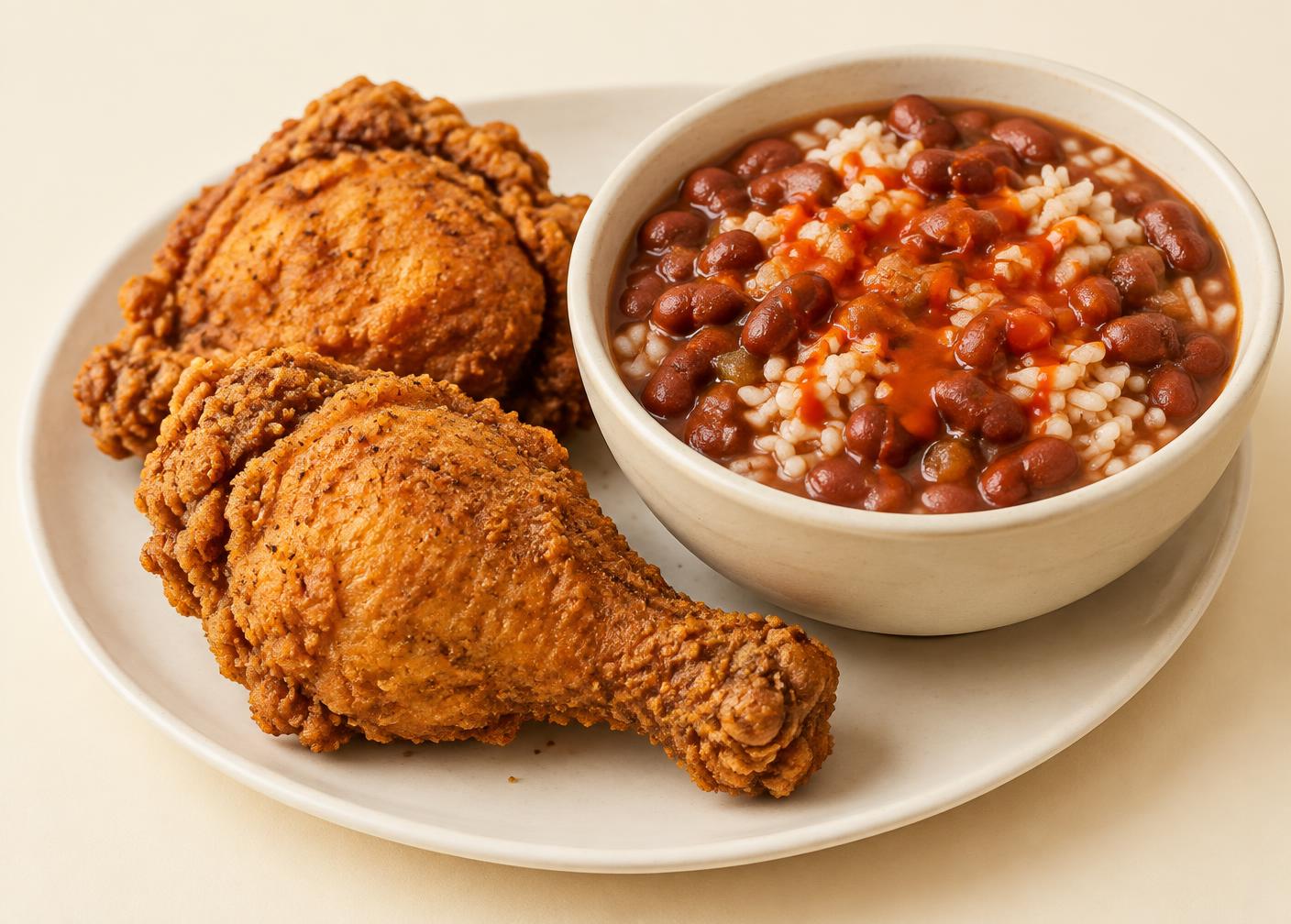
Louisiana-style cayenne sauces like Crystal were made for fried food and red beans and rice. - 3
3. El Yucateco Red Habanero
El Yucateco is from Mérida, in Mexico's Yucatán Peninsula, the region most associated with the habanero. The red version is commonly listed at about 5,790 SHU, which makes it the hottest sauce on this list. It's also the most interesting. Habanero has a fruity, almost apricot-like aroma under its heat, and El Yucateco keeps that fruitiness front and center. The green version is hotter still (often listed around 8,910 SHU). This is our arguable call: it arguably has the best flavor on the list and only places third because it's too hot for some tables. The counterargument is fair, since heat is part of the point. Try it on scrambled eggs, cochinita pibil or grilled fish.
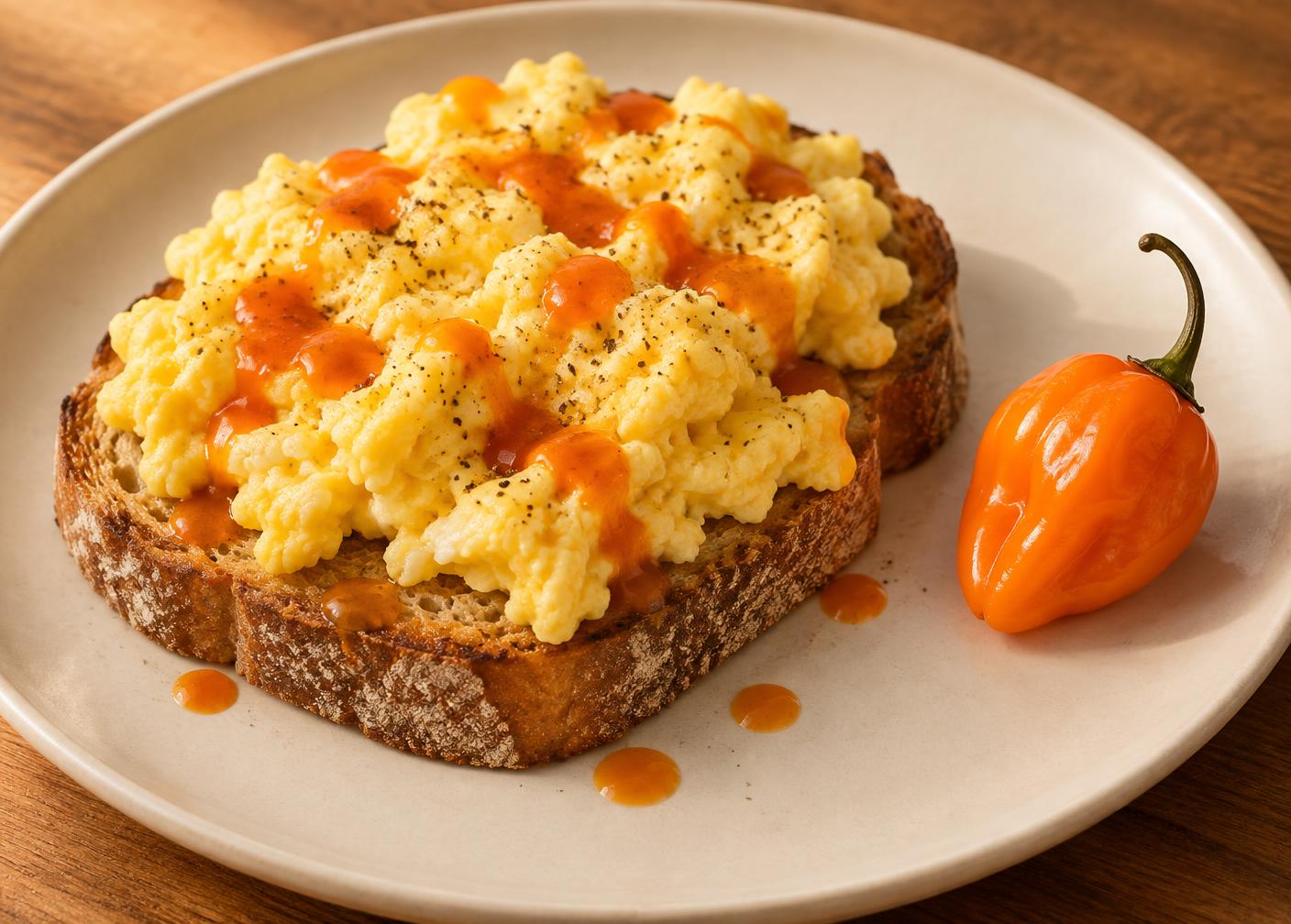
Habanero sauces bring fruity aroma along with their heat, which is why they're so good on eggs. - 4
4. Huy Fong Sriracha
David Tran started Huy Fong Foods in Los Angeles in 1980, and its rooster-label sriracha, named after the town of Si Racha in Thailand, became one of the best-known sauces in the United States. Its heat is usually quoted at about 1,000 to 2,500 SHU. It's thick, garlicky and slightly sweet, closer to a chile paste than a splash sauce. It lands at number four because the garlic and sugar that make it so appealing also make it taste the same on everything. It's excellent on pho, fried rice and mayonnaise-based sauces, and less good on anything subtle. Supply of the original version was famously unreliable during chile shortages in the early 2020s.
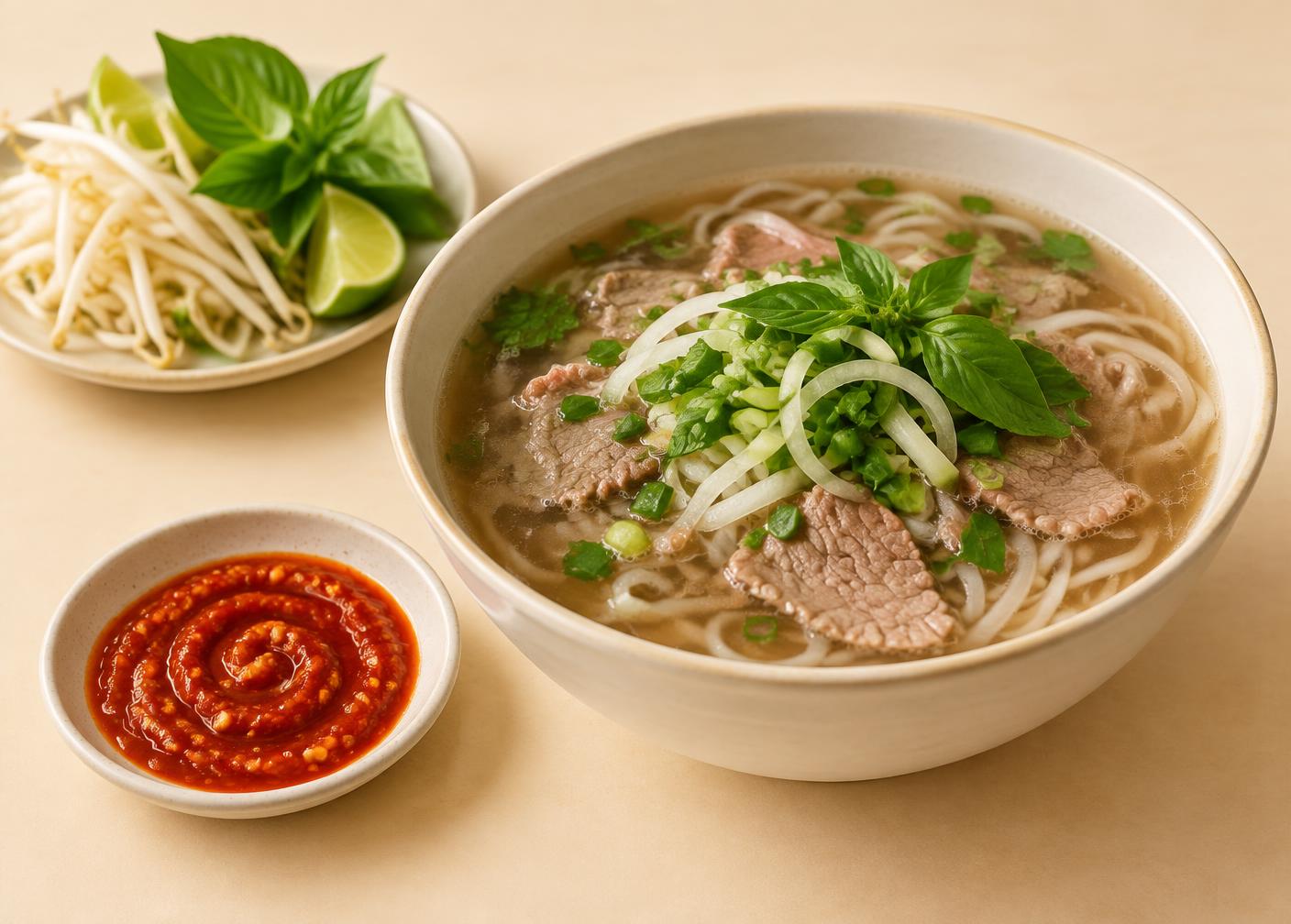
Thick, garlicky sriracha-style sauce is a natural next to pho, where it can be stirred in bite by bite. - 5
5. Frank's RedHot Original
Frank's is very mild (around 450 SHU, per CBS) and very salty, with a cayenne flavor that's almost buttery once it hits heat. According to Frank's, it was the sauce used in the original Buffalo wings at the Anchor Bar in Buffalo, New York, in 1964, and that's still where it shines: melt it with butter in about a 2 to 1 ratio of sauce to butter and you have classic wing sauce. It's not a great sauce for dashing on the table, and its heat is too low for many people, but for cooking it's close to perfect.
- 6
6. Cholula Original
Cholula is made in Jalisco, Mexico, from árbol and piquín chiles, and it's easy to spot by its round wooden cap. It sits around 1,000 SHU. Flavor-wise it's mild, slightly smoky and pleasant, but it's thin and fairly salty. Ed Currie points out in the video that water makes up most of the bottle, even though peppers come second on the label. That's why it ranks in the middle: it's easy to like, hard to love, and gets lost on bold food. It's best on eggs, avocado toast and tortilla chips.
- 7
7. Tapatío
Despite the Mexican name (a <em>tapatío</em> is someone from Guadalajara), Tapatío is made in Vernon, California. It was started by Jose-Luis Saavedra Sr. in 1971. It's commonly listed at about 3,000 SHU, with a thin, bright, garlicky flavor that's a little hotter than Cholula. It's great on ramen noodles, pizza and elote, but it can taste one-note next to Valentina, which does the same job with more chile flavor.
- 8
8. Tabasco Original Red
Tabasco is made by McIlhenny Company on Avery Island, Louisiana, where the family has produced it since 1868. The mash of tabasco peppers and salt ages for up to three years in white oak barrels before vinegar is added. The company lists its heat at 2,500 to 5,000 SHU, while a <a href="https://www.youtube.com/watch?v=qD0_yWgifDM" target="_blank" rel="noopener">TED-Ed explainer on the science of spiciness</a> quotes 1,200 to 2,400. Either way, the first ingredient is vinegar, and that's the problem: it's thin and sharp, with a quick sting instead of real pepper flavor. It's the most overrated bottle on the list. It works in oysters, Bloody Marys and a few drops on eggs, where acid helps more than heat does.
- 9
9. Texas Pete
Despite the name, Texas Pete is made by T.W. Garner Food Company in Winston-Salem, North Carolina. It's about 747 SHU, according to CBS. It has more body than Tabasco, but the flavor is mostly vinegar and salt. That's fine on collard greens or a hot dog, but a sauce that tastes this much like its vinegar can't rank higher.
- 10
10. Louisiana Hot Sauce (Original)
Louisiana Hot Sauce, made by Bruce Foods, claims only 450 SHU, per CBS. It's cheap, thin and inoffensive, with a salty, vinegary cayenne flavor. There's nothing wrong with it, but Crystal does the same job better at almost the same price. It ranks last because there's no dish where it's the best choice.
Why hot sauce heat feels different from the number on the label
Capsaicin, the compound behind chile heat, triggers the same pain receptor (TRPV1) that responds to scalding temperatures. Your brain is essentially told your mouth is on fire. But how a sauce feels depends on more than its capsaicin level. Vinegar sharpens a sting, so thin vinegar sauces like Tabasco can feel hotter than their numbers suggest. Sugar and fat soften the burn, which is part of why sriracha feels gentle. Habanero heat usually hits further back in the mouth and lingers longer than cayenne heat.
That's also why water doesn't help much: capsaicin doesn't dissolve well in water, so it mostly spreads the heat around. Our guide to what to drink with spicy food explains why milk, lassi and off-dry wines work better. And if you've ever wondered why some fruits burn your mouth even though they aren't spicy, that's a different mechanism entirely, covered in our deep dive on why pineapple tingles.
Popular hot sauces compared at a glance
| Rank | Sauce | Origin | Main chile | Approx. SHU | Best on |
|---|---|---|---|---|---|
| 1 | Valentina | Guadalajara, Mexico | Dried red chiles | 900 (Black Label 2,100) | Fruit, chips, eggs, elote |
| 2 | Crystal | Louisiana, US | Aged cayenne | 4,000 | Fried chicken, gumbo, oysters |
| 3 | El Yucateco Red | Mérida, Mexico | Habanero | 5,790 | Eggs, grilled fish, pibil |
| 4 | Huy Fong Sriracha | California, US | Red jalapeño | 1,000 to 2,500 | Pho, fried rice, mayo |
| 5 | Frank's RedHot | US | Cayenne | 450 | Buffalo wings, dips |
| 6 | Cholula | Jalisco, Mexico | Árbol and piquín | 1,000 | Eggs, avocado toast |
| 7 | Tapatío | California, US | Red chiles | 3,000 | Ramen, pizza |
| 8 | Tabasco Original | Avery Island, Louisiana | Tabasco pepper | 2,500 to 5,000 | Oysters, Bloody Marys |
| 9 | Texas Pete | North Carolina, US | Aged peppers | 747 | Collards, hot dogs |
| 10 | Louisiana Hot Sauce | Louisiana, US | Cayenne | 450 | Cooking |
How to pick the right hot sauce for the food
- <strong>Fried food and Southern cooking:</strong> go with a vinegar-cayenne sauce like Crystal, since acid cuts through the richness.
- <strong>Tacos, fruit, chips and snacks:</strong> use a thicker Mexican table sauce like Valentina, which clings to food and brings chile flavor.
- <strong>Noodles and rice:</strong> try sriracha, or a chili crisp if you want texture. It goes especially well with dishes like <a href="/recipes/easy-weeknight-pad-thai">weeknight pad thai</a>.
- <strong>Eggs and seafood:</strong> a fruity habanero sauce like El Yucateco adds aroma as well as heat.
- <strong>Cooking with heat:</strong> Frank's holds up in sauces, while delicate aromatic sauces lose much of their character when cooked.
Frequently asked questions
Now tell us we're wrong
Valentina over Crystal is a close call, and putting Tabasco in eighth will upset people who grew up with it on every table. If you think we got it wrong, here's a challenge: line up three bottles, taste each on a plain tortilla chip, then on a fried egg, and see which one you reach for a second time. That's the real ranking. And if you want to see how strongly food opinions can split, read about why cilantro tastes like soap to some people.
Sources and further reading
Filed under
More from Rankings
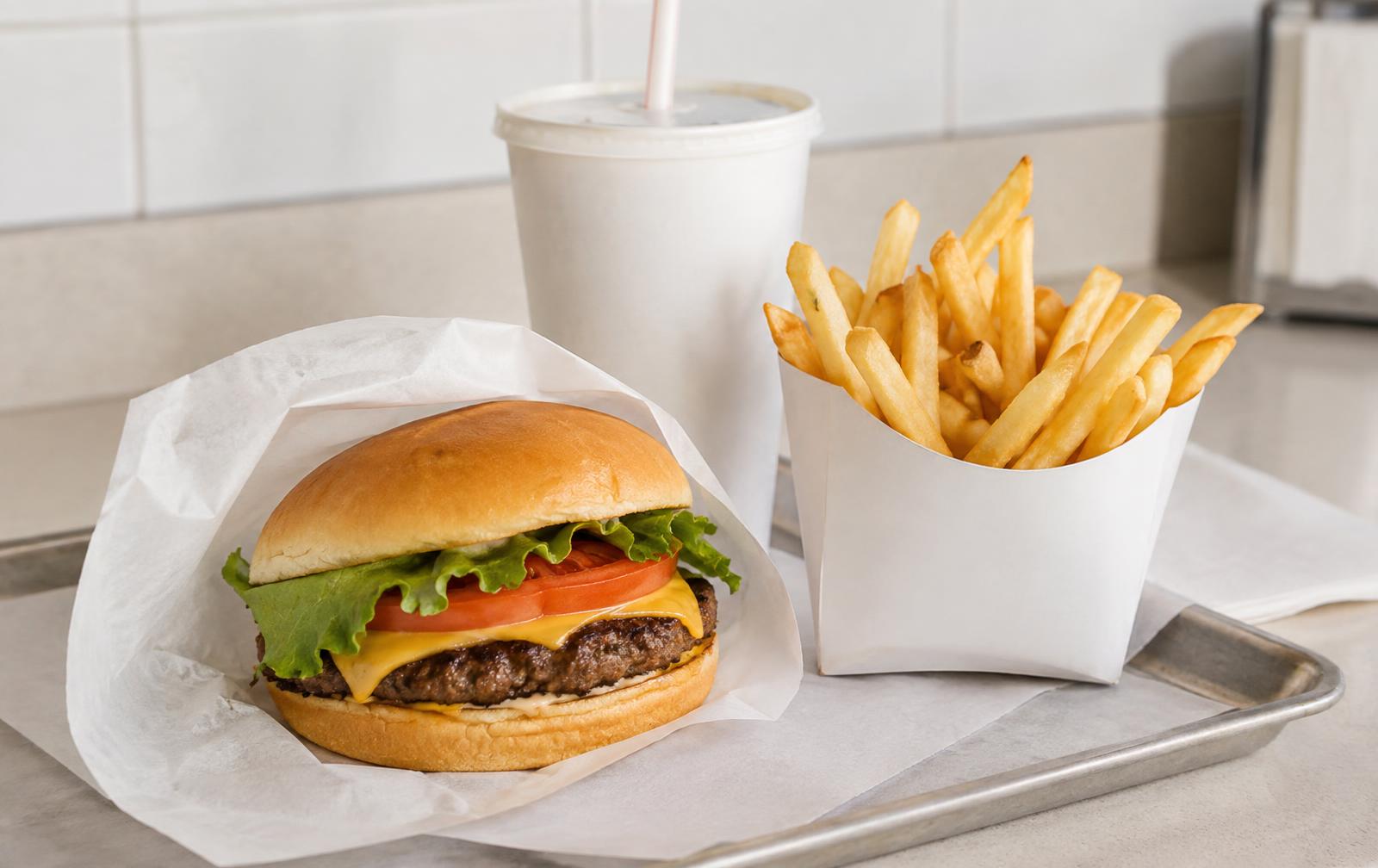
The Most Overrated Fast Food Items, Ranked Honestly
Eight fast food items whose reputations have outrun their flavor, ranked on the same four criteria, with one call that will make Californians furious.
Marcus Delgado · · 11 min read
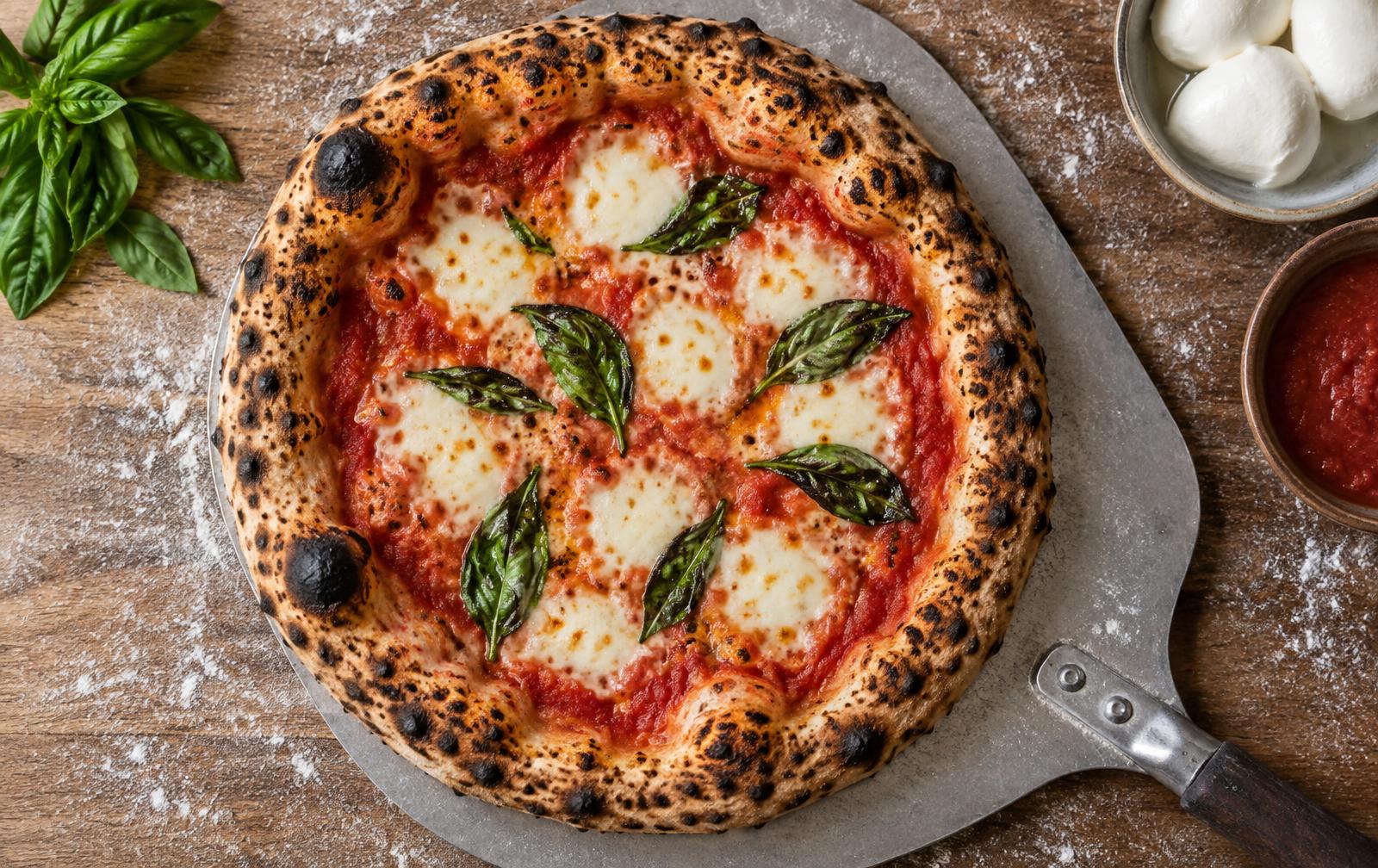
Ranking Every Major Pizza Style From Worst to Best
Ten pizza styles judged on the same five criteria, ranked with conviction, including one call that will start arguments.
Marcus Delgado · · 11 min read
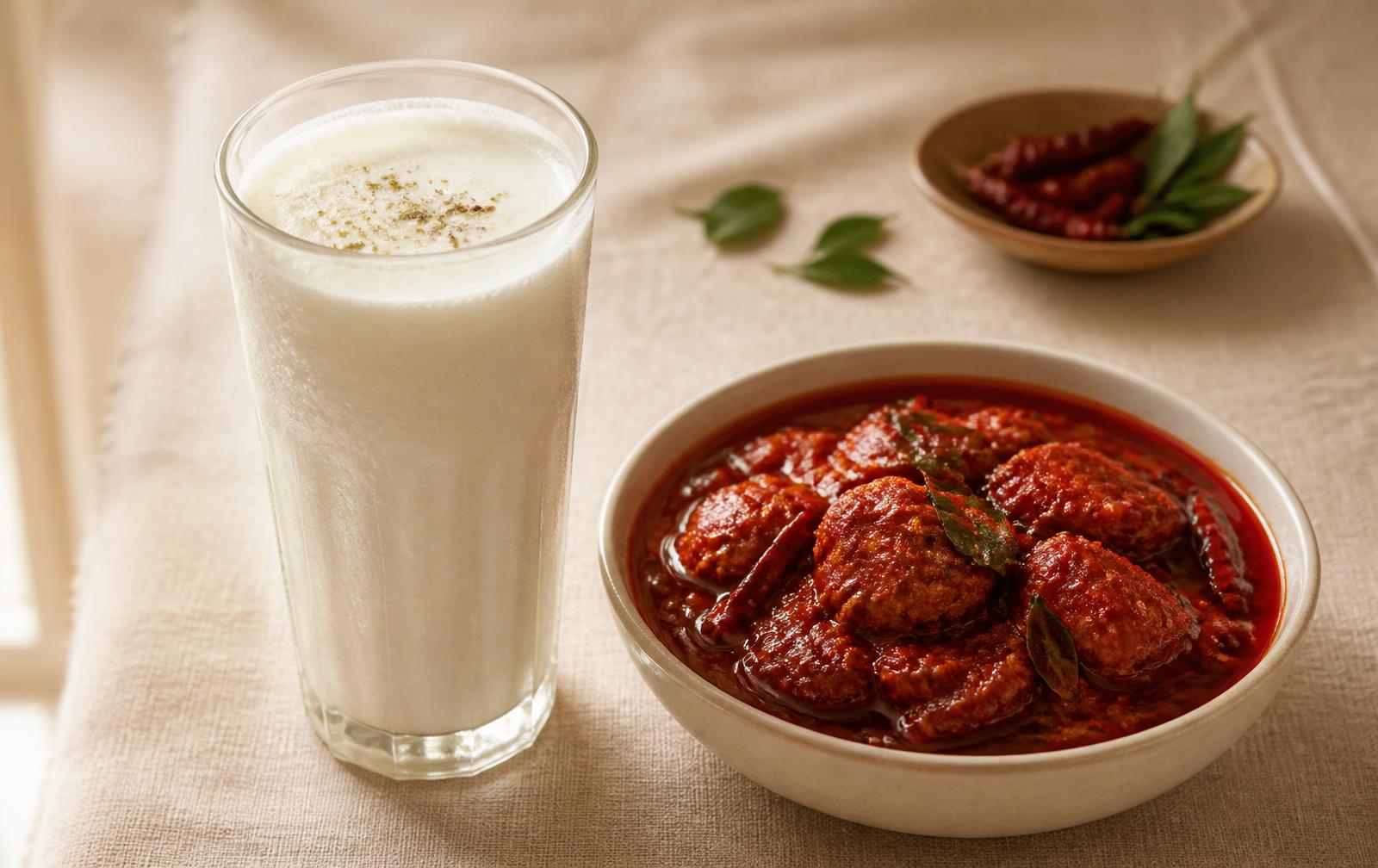
What to Drink With Spicy Food (It's Not Water)
Capsaicin does not dissolve in water, so a glass of it mostly redistributes the burn. Full-fat dairy, sugar and starch actually work, and there is decent science behind why.
Nadia Okonjo · · 10 min read