
Why Italians Eat Seven Fishes on Christmas Eve
The Feast of the Seven Fishes comes from a Catholic rule about meat, not from a rule about seven. Here is where the number came from, and what is actually on the table.
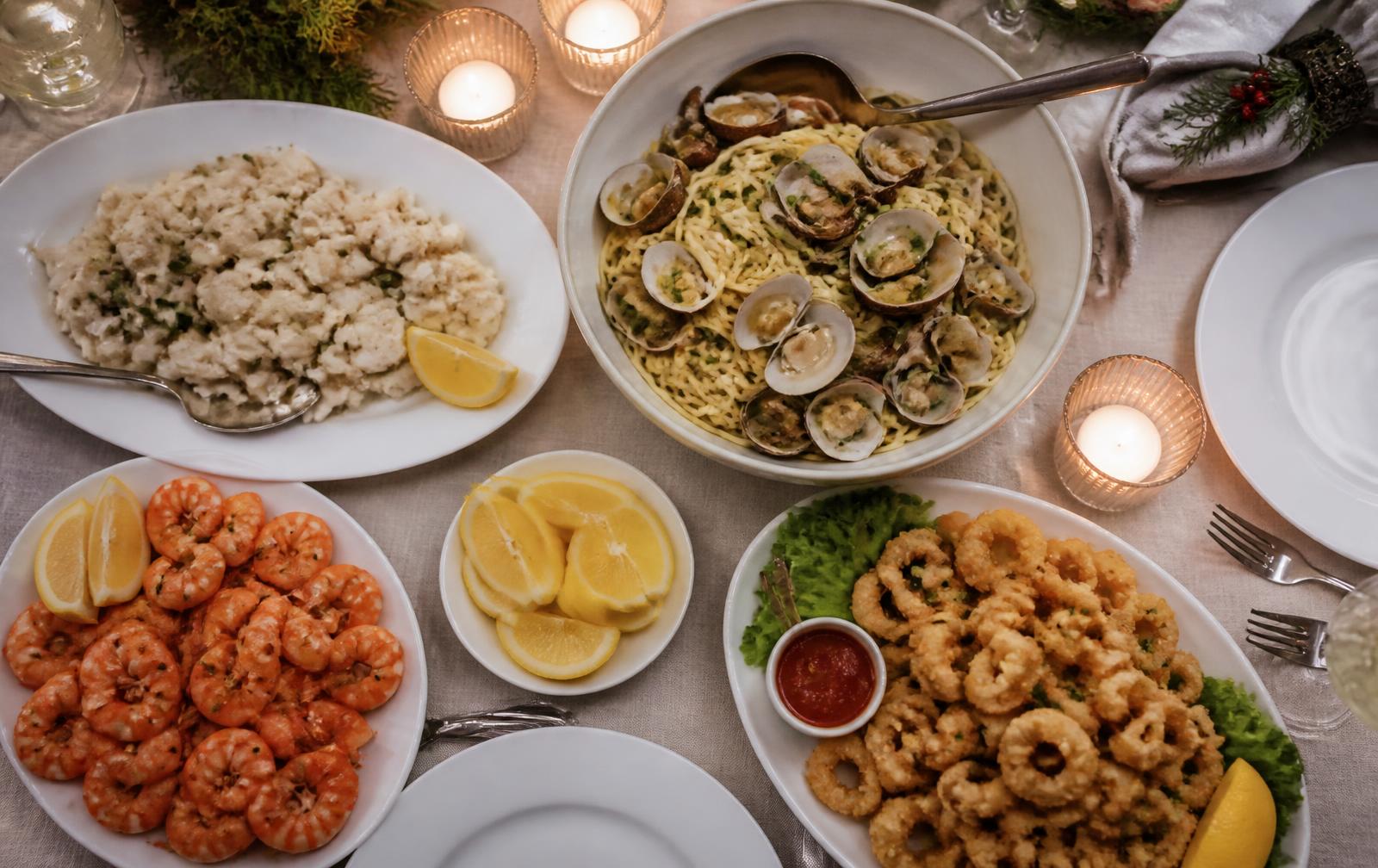
Italians eat seven fishes on Christmas Eve because the Catholic Church treated the night before a major feast as a vigil, a day of abstinence when meat was off the table. Southern Italian families did what cooks on the coast always do when meat is forbidden: they cooked seafood, and then they cooked a lot of it. The dishes are real and specific, including salt cod (baccalà), fried eel (capitone), linguine with clams, fried calamari, stuffed squid, marinated anchovies, and shrimp. The number seven, though, is the part almost everyone gets wrong. It is an Italian American addition, not an Italian rule, and no one has ever produced a documented origin for it.
The rule was never about seven fishes, it was about no meat
For centuries, Catholic practice attached fasting and abstinence to the eves of major feasts, so Christmas Eve meant no meat, no animal fat, and in stricter households no dairy either. Fish was permitted, which is a distinction with a long theological history rather than a nutritional one. On a peninsula with roughly 4,700 miles of coastline, that restriction was not a hardship. It was an invitation.
Then the rule changed. In 1966, Pope Paul VI issued the apostolic constitution Paenitemini, which loosened the universal obligations around fasting and abstinence and handed much of the discretion to national bishops' conferences. In practice, Christmas Eve abstinence stopped being required for most Catholics decades ago. The feast kept going anyway, which tells you it stopped being about obedience a long time ago and became about the table.
So where did the number seven come from?
Nowhere provable, and that is the honest answer. The explanations you will hear are folk etymology offered after the fact: the seven sacraments, the seven days of creation, the seven hills of Rome, the seven deadly sins, the seven sorrows of Mary. Food historians and Italian American writers who have gone looking, including at Smithsonian Magazine, consistently find the phrase circulating in the United States rather than in Italy, and no primary source pinning the number to a doctrine. Treat any confident single answer as a nice story.
Here is the detail worth repeating at a dinner table: in Italy the count is not seven. Families cook nine, or eleven, or thirteen, or simply as many dishes as the household can afford and carry, and plenty cook three. The fixed seven is an American tidying-up of an Italian habit, in the same way that the origin story we untangled in why turkey ended up at the center of Thanksgiving turned out to be neater in retelling than in the record.
The seven fishes people actually cook
There is no canonical list, but across Campania, Calabria and the Italian American Northeast, the same dishes recur. These are the ones that show up on real tables, with what they taste like and where they belong.
- 1
Baccalà, salt cod, the one dish nobody skips
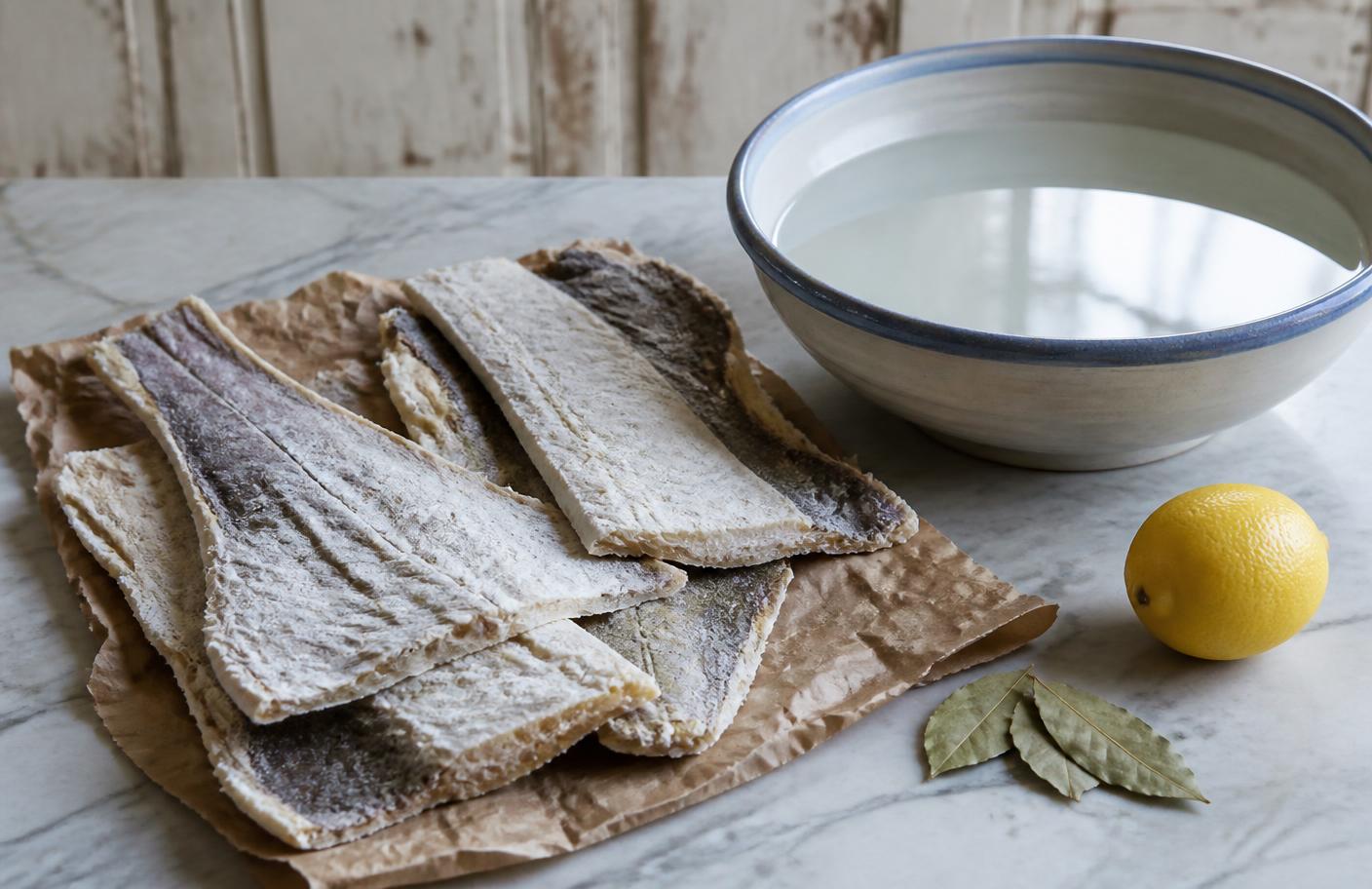
Cod cured in salt until it is board-stiff, then rehydrated over a day or two. Served as a cold salad with olives, celery, lemon and good oil, or fried in batter, or stewed with tomato, capers and potatoes. Salty, meaty, faintly sweet, more like a firm white steak than a delicate fillet. A note on names: in Italy baccalà is salt-cured, stoccafisso is air-dried stockfish, and Venice muddles the two by making its famous whipped baccalà mantecato from stockfish.
- 2
Capitone, fried eel, the Neapolitan essential
In Naples this, not cod, is the fish of Christmas Eve. Female eel is cut into lengths, floured and fried, or roasted with bay and vinegar. Rich, dense, oily in the way mackerel is oily, with skin that crisps into something close to crackling. Markets around Porta Nolana sell it live in the days before Christmas, and the symbolism is not subtle: the eel looks like a serpent, and the vigil meal ends by eating it.
- 3
Linguine alle vongole, clams and nothing else in the way
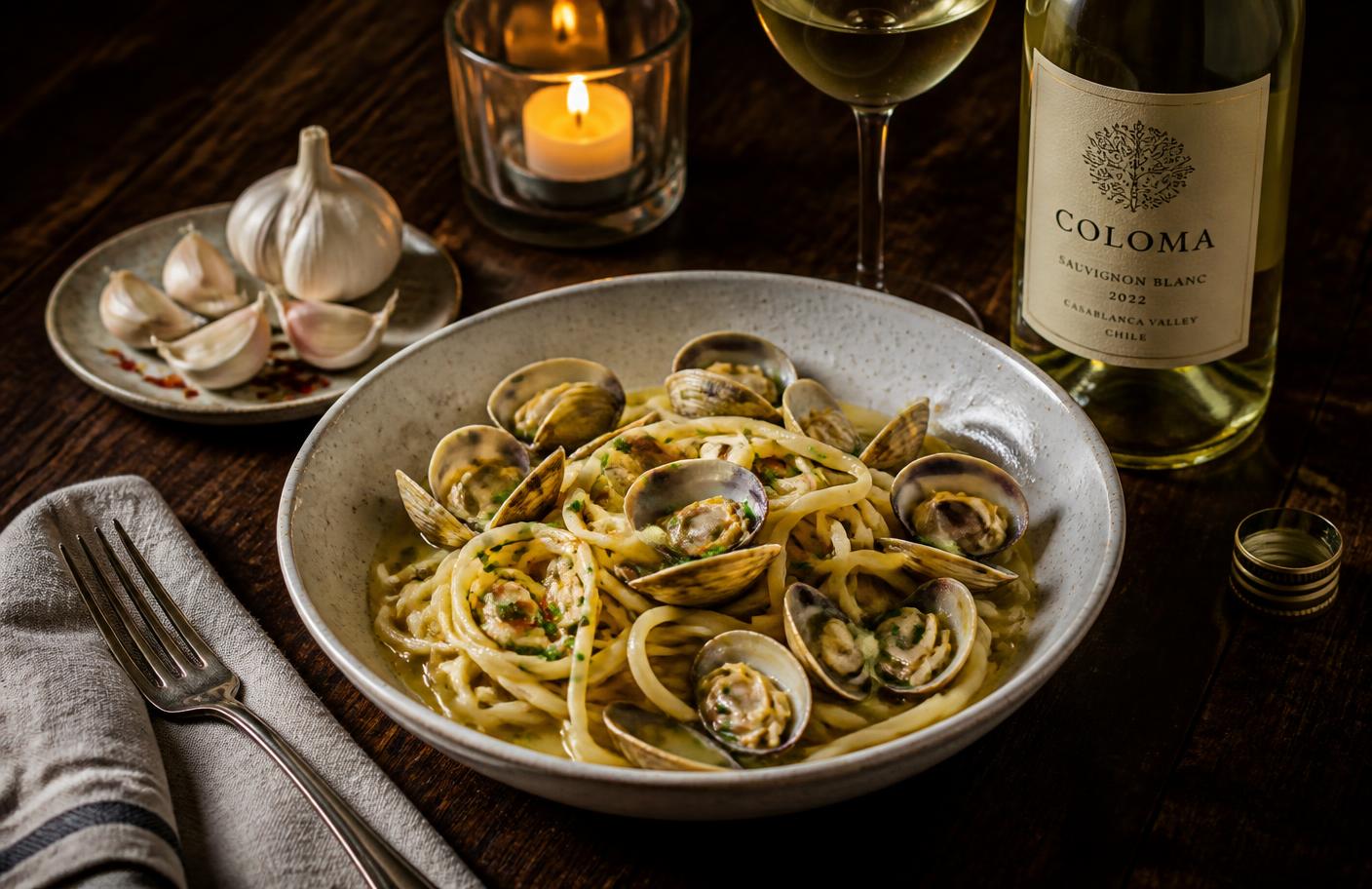
Clams opened in white wine and garlic with chili and parsley, tossed with linguine and a little starchy pasta water so the juices cling. This is the dish that separates good cooks from careless ones, because the sauce is only clam liquor, oil and emulsified starch. Pronounced VON-go-leh. It is the course everyone quietly waits for.
- 4
Calamari fritti, and the stuffed version too
Rings and tentacles dredged in flour or semolina and fried hot and fast, served with lemon and often a bowl of tomato sauce for dunking. The other half of the tradition is calamari ripieni, whole squid stuffed with breadcrumbs, garlic, parsley and sometimes raisins and pine nuts, then braised in tomato until tender.
- 5
Scungilli, conch, the one that surprises Americans
Sliced sea snail, simmered long and dressed cold with lemon, celery and chili, or stewed in hot marinara over linguine. Chewy in a satisfying way, closer to abalone than to clam, with a clean mineral flavor. It is one of the most distinctly Italian American dishes on the table, popularized in the old seafood houses of Manhattan and Brooklyn.
- 6
Anchovies and sardines, usually hidden in the pasta
Salted anchovies melted into oil with garlic and toasted breadcrumbs give you pasta con la mollica, the Sicilian poor-cook classic where breadcrumbs stand in for cheese. Marinated fresh anchovies (alici marinate) also appear as an antipasto, bright with lemon and vinegar. This is where much of the umami on the table comes from.
- 7
Shrimp, mussels and whatever the fishmonger had
Shrimp in garlic, butter and wine, mussels steamed as zuppa di cozze with grilled bread, fried smelts eaten whole, sometimes lobster in more prosperous households. The final one or two dishes were always improvisational, decided by price and the morning's catch rather than by tradition.
A cheat sheet for the table
If you are cooking or eating this meal for the first time, the useful thing to know is not the symbolism, it is the order and the timing. Cold dishes first, pasta in the middle, fried things last while they are hot.
| Dish | Italian name | Tastes like | Where it is strongest | Advance prep |
|---|---|---|---|---|
| Salt cod salad | Insalata di baccalà | Firm, salty, lemony | Campania, Calabria, Italian American Northeast | Soak 24 to 48 hours |
| Fried eel | Capitone fritto | Rich, oily, crisp-skinned | Naples and surrounding Campania | Buy the day before |
| Clam pasta | Linguine alle vongole | Briny, garlicky, clean | The whole coast | Purge clams a few hours |
| Fried squid | Calamari fritti | Sweet, mild, crunchy | Everywhere | None, fry at the last minute |
| Conch salad or stew | Scungilli | Chewy, mineral, spicy | Italian American New York and New Jersey | Simmer ahead, dress cold |
| Breadcrumb anchovy pasta | Pasta con la mollica | Savory, toasty, no cheese | Sicily, Puglia | None |
| Mussel soup | Zuppa di cozze | Peppery, tomatoey, brothy | Naples | Scrub and debeard same day |
Why the tradition got bigger in America than in Italy
Between roughly 1880 and 1924, about four million Italians emigrated to the United States, the overwhelming majority from the south and Sicily, according to the Library of Congress. They brought the vigil with them, and then something predictable happened. In Italy the meal was constrained by what the local market had. In Brooklyn, Providence and Philadelphia, immigrants had access to a wider fish market and, within a generation, more money.
So the meal expanded. Shrimp went from occasional to standard, lobster appeared, and a fasting menu quietly turned into the most extravagant dinner of the year. The name followed the abundance. Calling it a feast of seven fishes made sense for a family cooking seven courses, and it gave second and third generation Italian Americans a portable, countable version of a tradition their grandparents had never needed to name.
It is now embedded enough in American culture to have its own film (the 2019 comedy Feast of the Seven Fishes, set in West Virginia) and its own street festival in Fairmont, West Virginia. Meanwhile a Roman or Milanese friend may look genuinely puzzled when you ask them about it, because northern Italian Christmas Eve leans on tortellini in broth and, in Milan, on panettone. This is a southern tradition that became a national American one.
What to drink with seven courses of fish
The default answer, and the right one, is a high-acid Italian white: Falanghina or Greco di Tufo from Campania, Vermentino from Sardinia or coastal Tuscany, Grillo or Catarratto from Sicily. Acidity is doing real work here, cutting through fried batter and rich eel across a meal that runs for hours. Rosé from Abruzzo (cerasuolo) handles the tomato-based dishes better than most whites.
If you want to push the pairing further, our piece on the cheese that makes an inexpensive bottle taste like a splurge explains the same acid-and-fat mechanics from the other direction. And if the whole spread sounds like more cooking than your December has room for, the shortcuts in our fast dinners that look like real effort cover the seafood pan-sauce technique that most of these dishes rely on.
Is a seafood feast actually good for you?
Broadly, yes, with caveats. Oily fish, clams and mussels supply omega-3 fatty acids, iodine, selenium and unusually high levels of B12 and iron, which is part of why seafood-heavy eating patterns score well in the research we reviewed in our look at the evidence behind the Mediterranean diet. Salt cod is a different story: it is genuinely high in sodium even after soaking, so people watching blood pressure should treat it as an occasional dish. This is general information rather than personalized medical or dietary advice.
Two practical safety notes for anyone cooking it. Discard mussels and clams that stay shut after cooking or that are cracked beforehand, and buy live shellfish from a source that can tell you when it came in. Raw marinated anchovies should be made from fish that has been commercially frozen, which is the standard control for parasites in raw fish, as FDA seafood guidance sets out.
Frequently asked questions
Cook one dish, not seven
If you have never done this, skip the marathon. Make linguine alle vongole for four people on December 24 and see whether the room goes quiet. That is the whole tradition in one pan. Then tell us what your family actually cooks, and whether your count is seven, nine, thirteen, or a number nobody in the house has ever bothered to add up.
Sources and further reading
Filed under
More from Culture & Holidays
The Real Ramen Behind Every Anime Bowl You've Drooled Over
That glowing bowl with the pink swirl is not fantasy food. It is usually Tokyo-style shoyu ramen, and every topping on it has a name, a region, and a reason.
Clara Bennett · · 12 min read
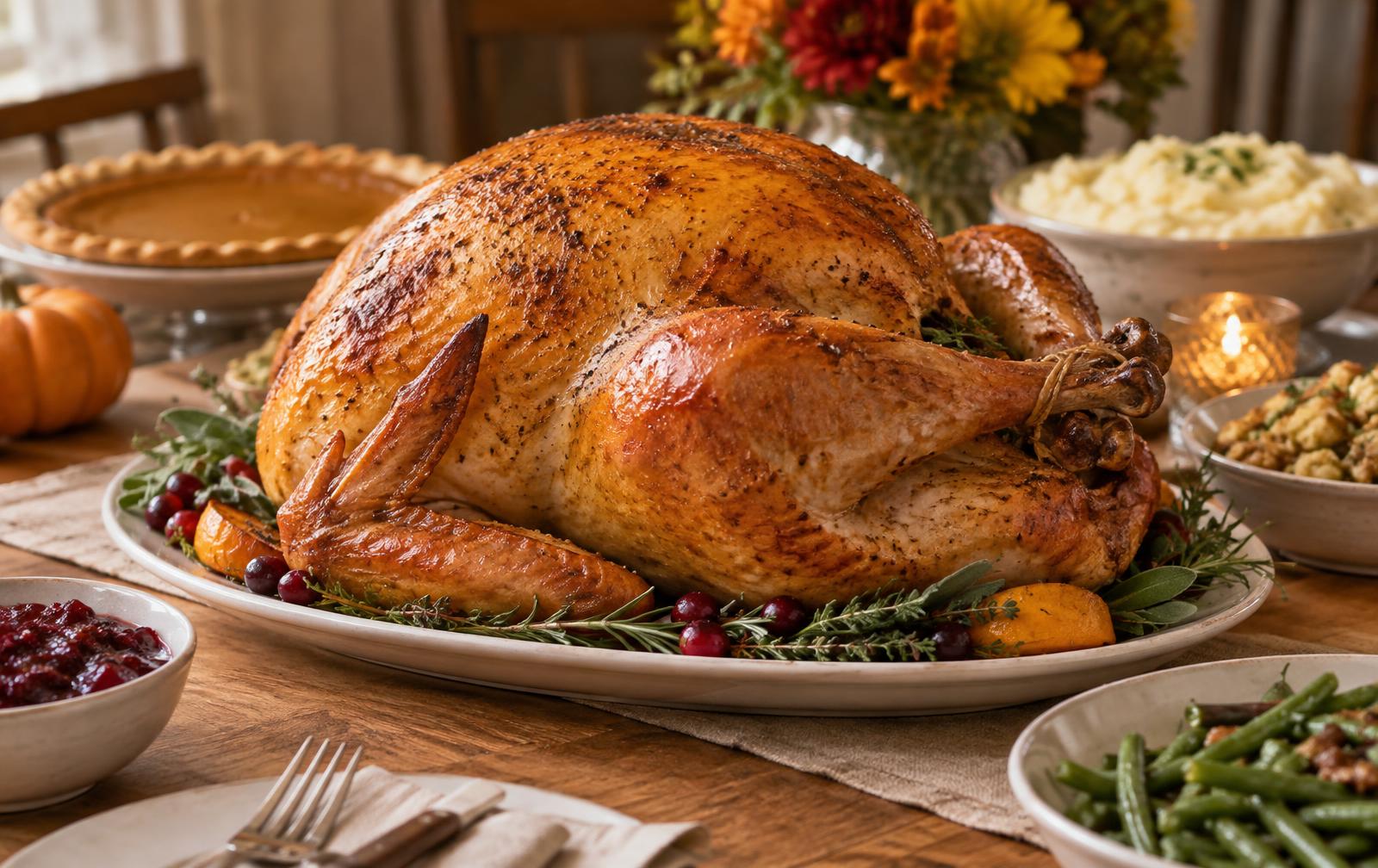
Why We Eat Turkey at Thanksgiving and When It Started
The 1621 harvest meal probably featured venison and wild fowl, not a roast turkey. The bird got its seat at the table more than two centuries later.
Clara Bennett · · 10 min read
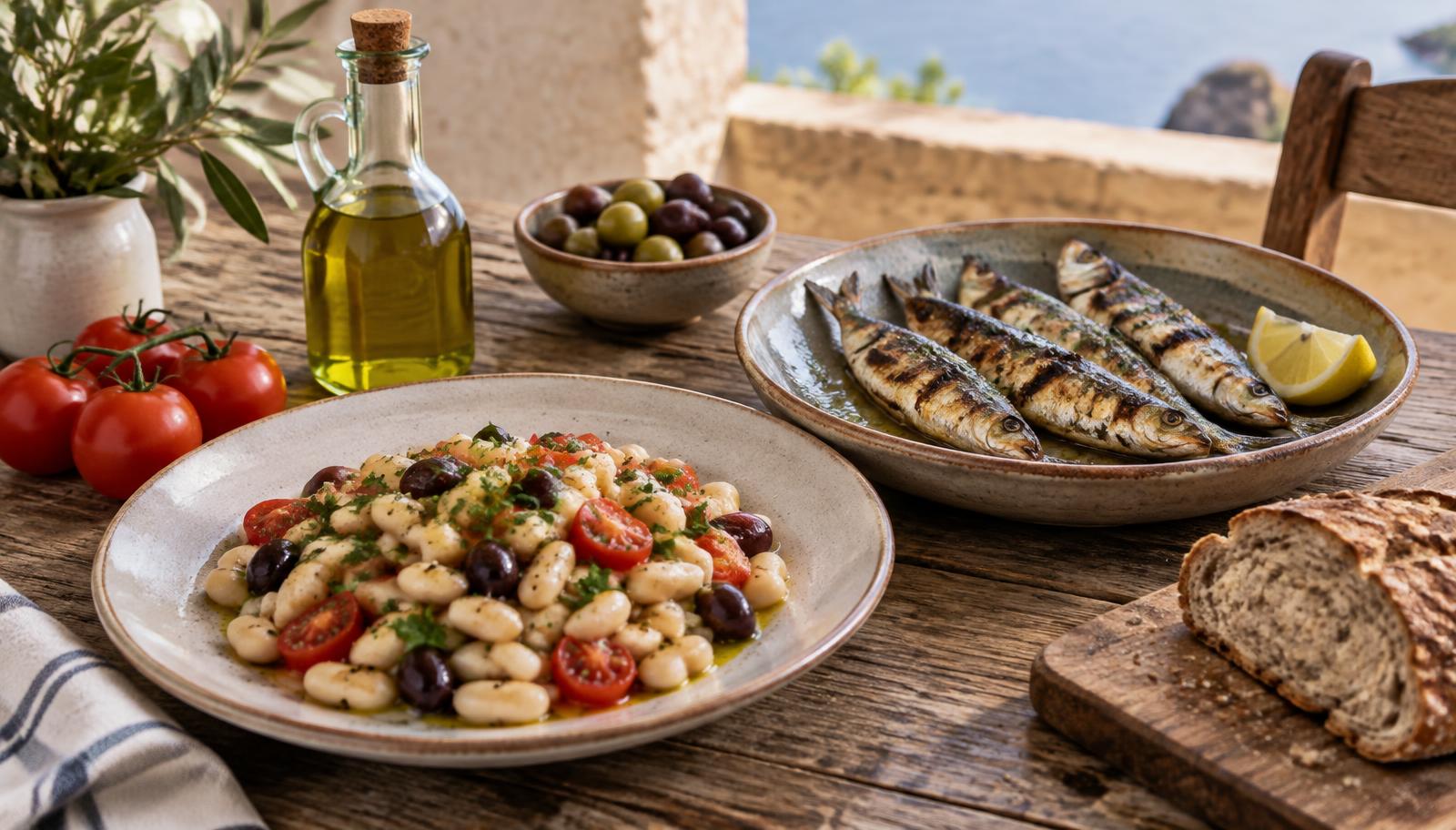
Is the Mediterranean Diet Actually Worth the Hype?
It is the most studied eating pattern in modern nutrition. It is also widely misunderstood, oversold in supermarket aisles, and stranger in origin than you would guess.
Priya Raman · · 11 min read