
Why Are There So Many Food Recalls in 2026?
The recall count is roughly normal. The scale of a handful of 2026 outbreaks is not. Here is the honest read on the numbers, plus how to check whether food in your kitchen is affected.
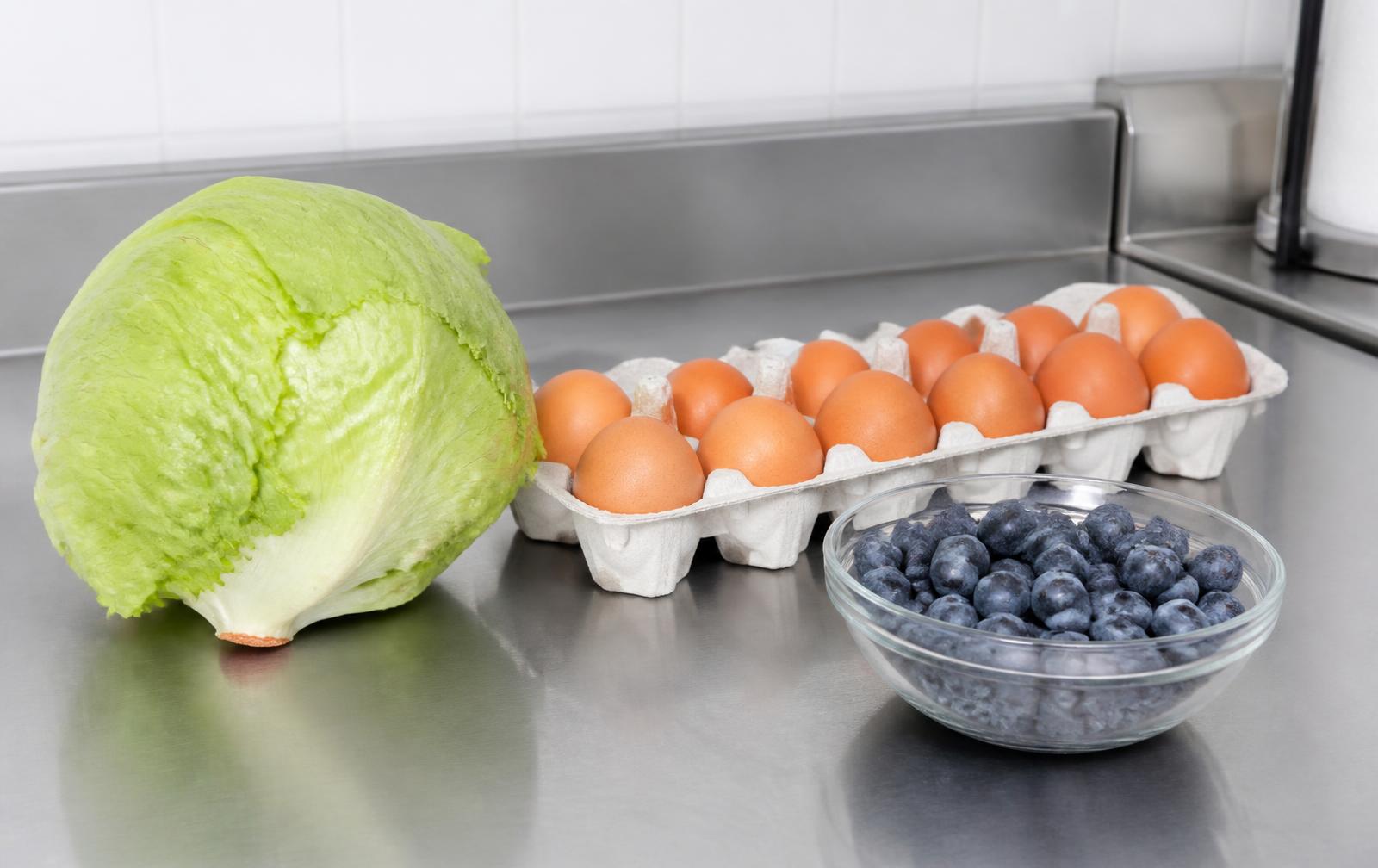
It feels like there are more food recalls in 2026 than ever, and the honest answer is that the count is close to average while the severity is not. Federal recall totals this year sit within the normal historical range, but a handful of outbreaks have been unusually large, including cyclospora traced to Taylor Farms iceberg lettuce, Salmonella linked to shell eggs and jalapenos, and E. coli in blueberries. Detection is also faster and coverage is heavier than it used to be, which makes an ordinary year feel like a crisis. First, the risk: these outbreaks involve real pathogens that can cause serious illness, so if a food in your kitchen is on a recall list, throw it out or return it instead of washing it and hoping.
Last updated: September 14, 2026. Figures below are as of September 2026 and are attributed to the outlet that reported them.
The safety part first, because it matters most
The pathogens in this year's biggest recalls (Salmonella, E. coli, Cyclospora, and Listeria) can cause severe illness, and the risk is highest for young children, adults over 65, pregnant people, and anyone immunocompromised. Do not eat, taste, or try to rinse clean a food that has been recalled. Rinsing does not remove pathogens that have already gotten inside produce tissue or into an egg.
- Check the FDA and USDA recall lists before you cook, especially for bagged salads, sprouts, berries, and shell eggs.
- If a product matches a recall, follow the notice: usually discard it in a sealed bag or return it for a refund, then wash your hands and clean any surface or container it touched.
- Refrigerate cut produce and cooked leftovers promptly, and keep the fridge at or below 40 degrees Fahrenheit.
- Cook eggs until the yolk and white are firm, and cook poultry to an internal temperature of 165 degrees Fahrenheit, measured with a thermometer.
- Watch for diarrhea, vomiting, fever, and stomach cramps, and contact a healthcare provider if symptoms are severe or persistent, if there is blood, or if you cannot keep fluids down.
This article is for general information only and is not a substitute for professional medical or public health guidance. If you think you have a foodborne illness, contact a healthcare provider.
What the recall numbers actually say
The reporting this year points in two directions at once, which is why the coverage feels contradictory. WBAL-TV and SheKnows, citing FDA and USDA data, put the tally at 162 food recalls so far in 2026, a figure that sits inside the usual range rather than above it.
TIME counts differently, by federal fiscal year, and reports 483 recalls for the October 1, 2025 to September 30, 2026 period with a projection of 551 by the end of October. TIME also reports that more than 37 million pounds of USDA-regulated food were affected in the first half of 2026. Those two framings are not in conflict. They measure different windows and different agencies, and the volume number is the one carrying the real story.
The analysis from PIRG and the food safety researchers quoted by Michigan State University lands in the same place: recall counts move around year to year for reasons that include better testing, not just worse food.
The outbreaks that made 2026 feel different
| Outbreak | Pathogen | Reported scale | Reported by |
|---|---|---|---|
| Taylor Farms iceberg lettuce | Cyclospora | Linked to more than 17,000 reported illnesses | Prevention, citing CDC |
| Shell eggs | Salmonella | Recall upgraded to Class I, linked to 98 illnesses and 26 hospitalizations across 17 states | SheKnows |
| Jalapenos | Salmonella | Part of the 2026 cluster of produce-linked Salmonella recalls | TIME |
| Blueberries | E. coli | Part of the 2026 berry recall activity | TIME |
| Sprouts | Salmonella | Active federal outbreak investigation opened September 2026 | FDA |
| USDA-regulated foods overall | Various | More than 37 million pounds affected in the first half of 2026 | TIME |
The cyclospora case is the one worth pausing on. Cyclospora is a parasite spread through contaminated water and fresh produce, not something that shows up in most home kitchens' mental model of food poisoning, and it is not killed by refrigeration. An outbreak on that scale in bagged iceberg lettuce is genuinely unusual, and it is the single strongest argument that 2026 was a severe year rather than a busy one.
Why it feels worse than the data says
Three things stack up. First, whole genome sequencing lets investigators link a case in Oregon to a case in Georgia and trace both back to one farm, which turns what used to be scattered unexplained illness into a single named outbreak. That looks like more contamination when it is really more visibility.
Second, recalls travel faster than they used to. A single FDA notice becomes a push alert, a news segment, and a hundred social posts within hours, and the same recall can reach you five separate times. The reporting in Yahoo Health and Prevention both make this point about perception versus frequency.
Third, the food system is more consolidated. When one processing facility washes and bags salad for dozens of brands, a single failure becomes a national recall covering many labels at once, which is also why a recall list can look alarmingly long while describing one root cause. Coverage such as The New Republic's look at the August FDA list reflects that pileup effect.
How to check if a food is recalled
This is the part that stays useful long after this year's headlines fade. Two federal lists cover almost everything: the FDA handles produce, eggs, seafood, and packaged foods, and the USDA Food Safety and Inspection Service handles meat, poultry, and processed egg products.
- Search the FDA recalls, market withdrawals and safety alerts page by product or brand name.
- Check the USDA FSIS recall page for meat and poultry, which the FDA list does not cover.
- Match the specifics, not the brand alone: recalls are defined by lot code, best-by date, size, and establishment number, so a same-brand package with a different lot is usually not included.
- Photograph the label before you discard anything, since refunds often require the lot code.
- Sign up for FDA or USDA email alerts, which is the only method that reaches you without depending on the news cycle.
Storing and washing produce, without the folklore
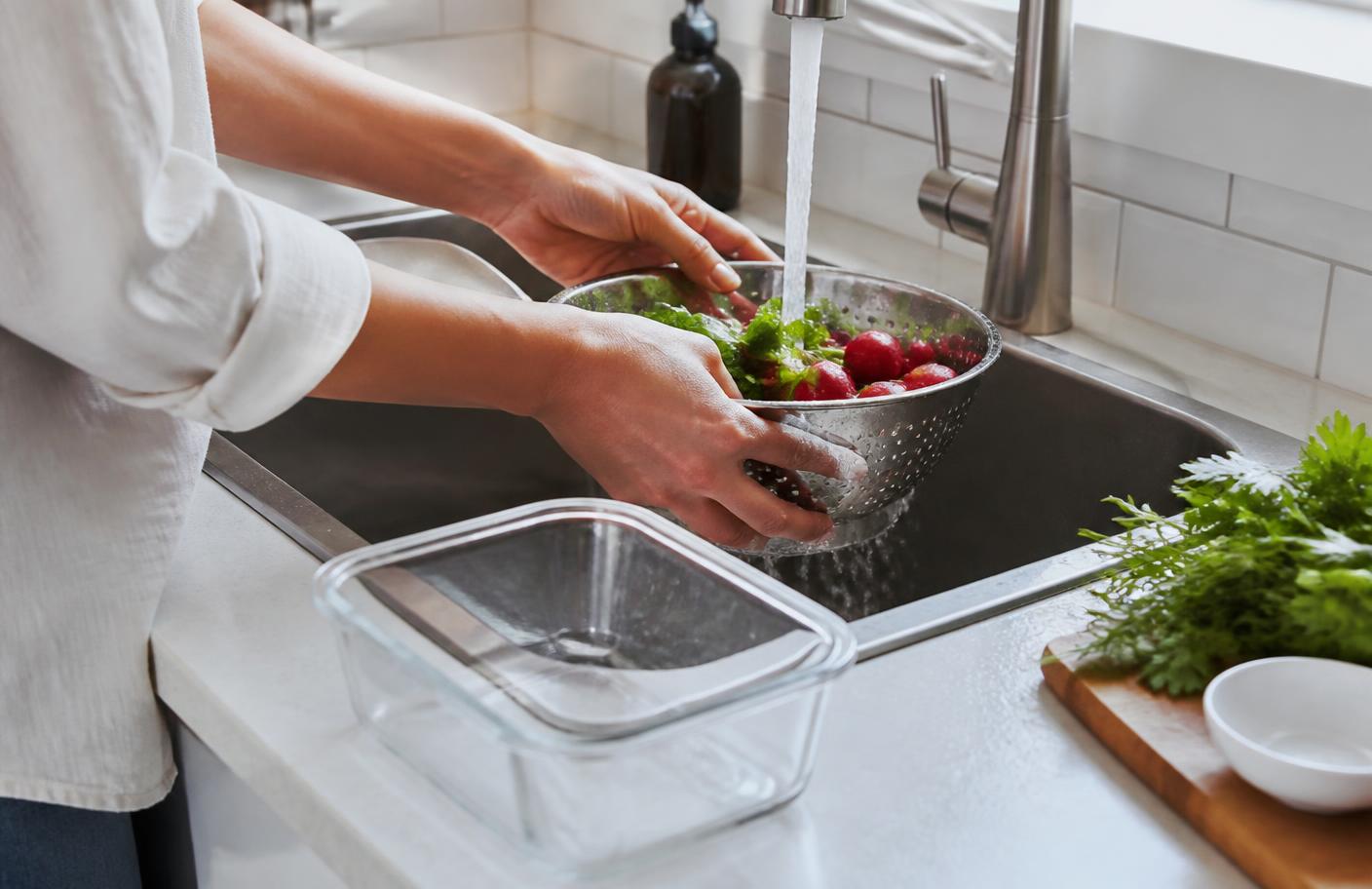
Rinse whole produce under running water and rub the surface with your hands. Skip soap, bleach, and vinegar soaks, none of which are recommended by federal guidance and some of which leave residue. Dry with a clean towel or a spinner, because moisture on stored greens accelerates spoilage and bacterial growth.
- Store berries unwashed and dry, and wash them right before eating.
- Keep leafy greens in a container lined with a dry towel, refrigerated, and eat within a few days of opening a bag.
- Refrigerate cut melon, cut tomatoes, and cooked vegetables within two hours.
- Keep raw meat and eggs on a lower shelf so nothing drips onto produce.
- Use separate cutting boards for produce and raw protein, and wash knives between them.
If your instinct after a recall week is to cook more at home, that is a reasonable response, and heat is the one tool that reliably handles most bacterial pathogens. Our chicken tikka masala walkthrough covers thermometer use and the 165 degree Fahrenheit target, and the viral soup dumpling lasagna piece covers the same ground for ground pork. For the wider question of which health claims about food hold up, see how we handled the evidence in the breakfast debate, and browse everything current in our trending section or under the food safety tag.
Frequently asked questions
One thing to do this week
Open the FDA recall page once, sign up for the email alert, and then go check the eggs and bagged greens already in your fridge against it. It takes about four minutes and it is the only part of this story you actually control. Then tell us: did a 2026 recall change what you buy, or did you scroll past it?
Sources and further reading
- TIME, is the US seeing a surge in foodborne illnesses
- WBAL-TV, US food recalls trend analysis
- SheKnows, summer food recalls explained
- Prevention, are there more recalls in summer 2026
- Michigan State University, food recalls explained
- PIRG, are we seeing more food recalls
- FDA, recalls, market withdrawals and safety alerts
- FDA, Salmonella sprouts outbreak investigation, September 2026
Filed under
More from Trending
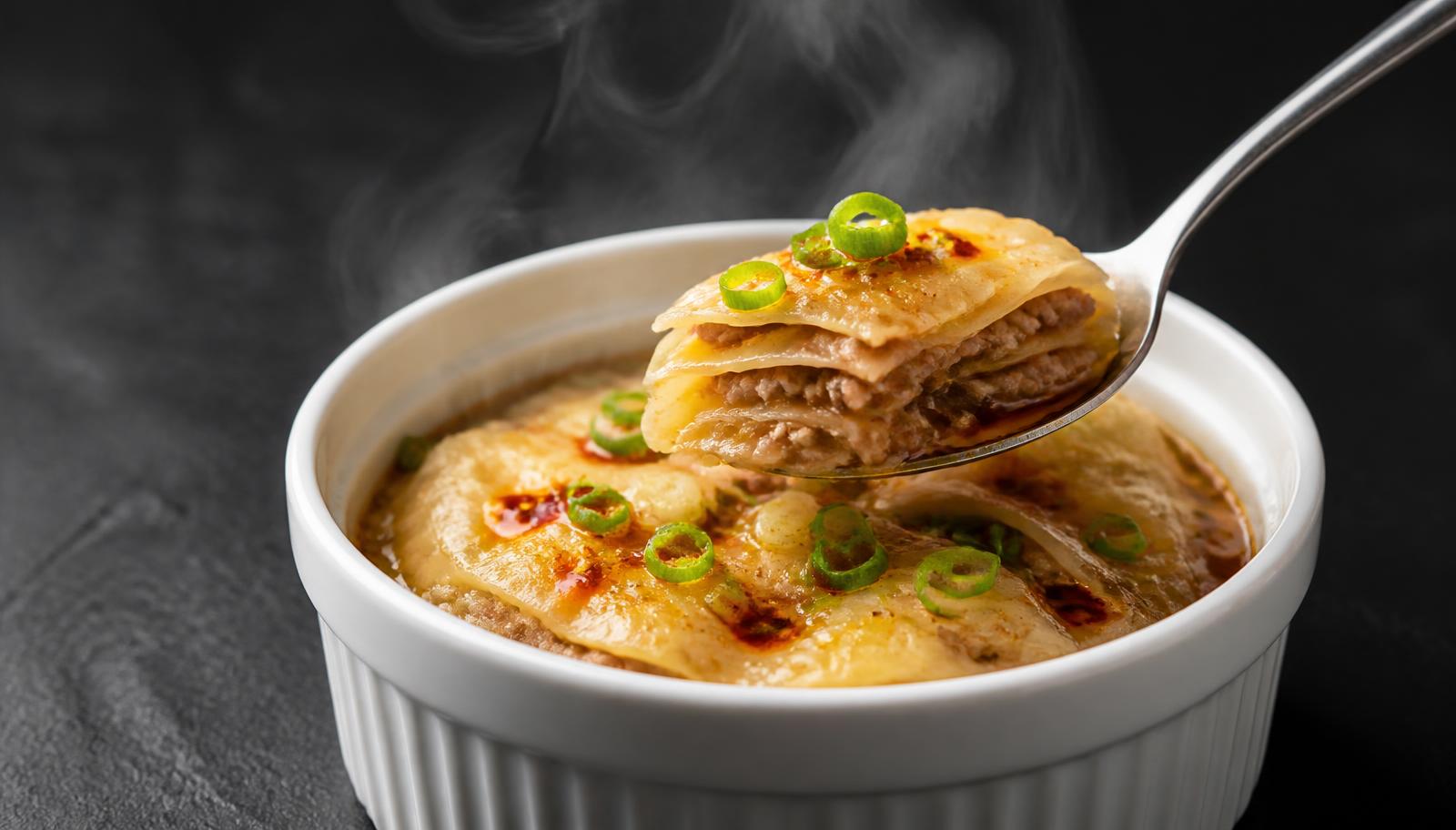
Soup Dumpling Lasagna: What It Is and Whether It Works
All the flavor of xiao long bao with none of the pleating. The trick is where you put the broth.
Hana Yoshida · · 8 min read
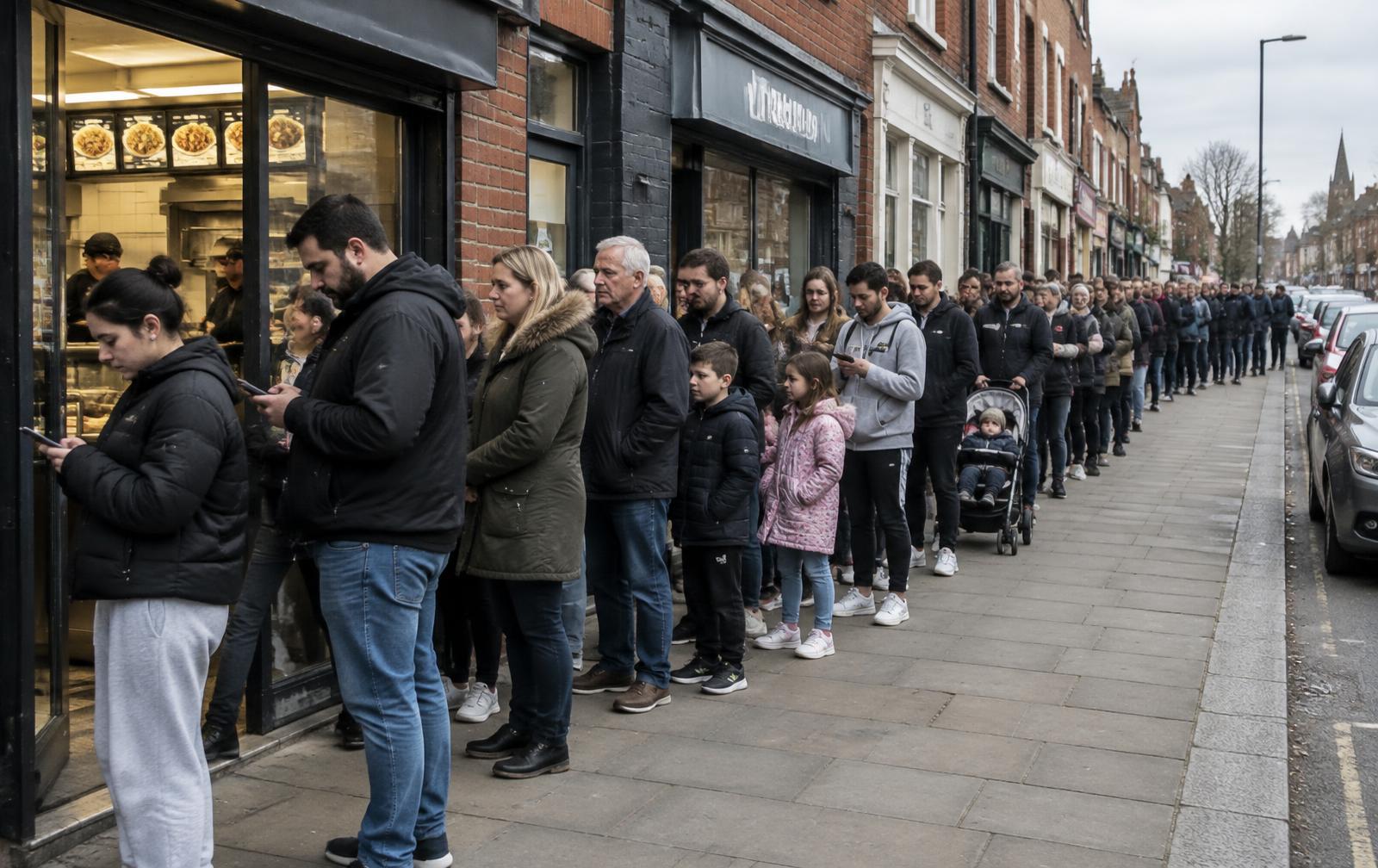
Why People Are Lining Up for Hours for Potatoes and Frozen Yogurt
The queue is the product now. The food is almost beside the point.
Hana Yoshida · · 8 min read
Every Meal Studio Ghibli Made You Desperately Want to Eat
No animation studio has ever made a fried egg look more like a religious experience.
Hana Yoshida · · 10 min read