
Raw Milk Cheese E. coli Recall: Toss Your Graziers Cheese Now
All Sierra Nevada Graziers grass-fed raw milk cheeses are recalled after an E. coli O26 outbreak that has sickened 13 people, over half of them young children. Throw it out or return it.
Last updated: September 29, 2026. Everything below reflects official CDC and FDA updates as of September 2026. Outbreak counts often rise as new cases are confirmed, so check the CDC and FDA pages linked at the end for the current status.
What was recalled in the raw milk cheese E. coli recall
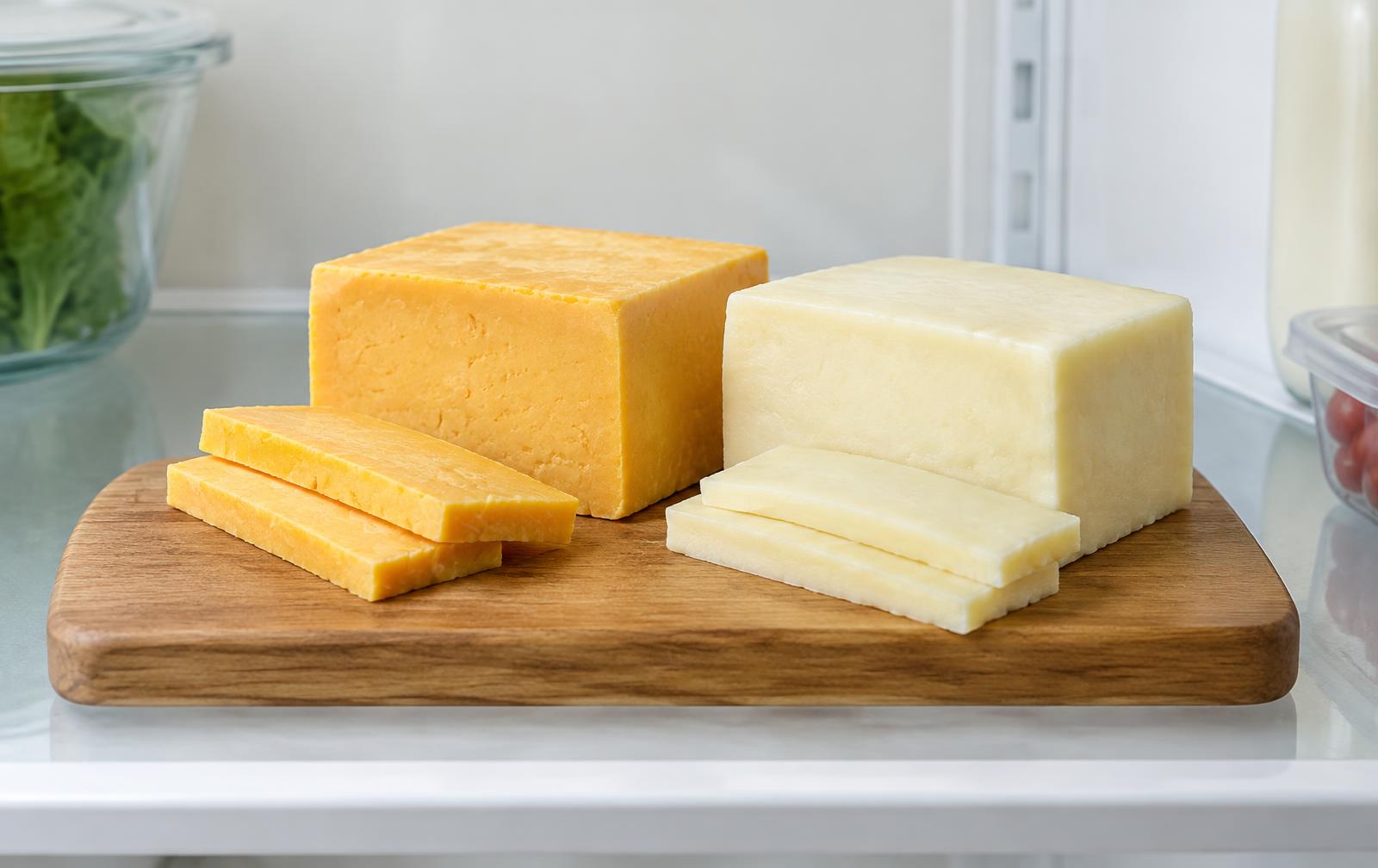
According to the FDA outbreak advisory, the recall covers Sierra Nevada Graziers grass-fed raw milk cheeses in four varieties: medium cheddar, sharp cheddar, jalapeño jack and Monterey jack. It includes 8-ounce and 16-ounce retail packages and 5-pound loaves sold to restaurants, food service and wholesalers. The cheese was sold at stores nationwide and online.
Here's a detail worth knowing. In a statement quoted by ABC News, the company said the illnesses have been associated with its medium cheddar. It's recalling every Graziers raw milk cheese because the investigation hasn't narrowed things down to a specific lot or date code. So don't check for a "safe" code on your package. There isn't one.
What to do if you have Graziers raw milk cheese
- <strong>Don't eat, serve or sell it.</strong> Throw it away or return it to the store for a refund, as FDA advises.
- <strong>Check the freezer too.</strong> FDA notes the cheese has a long shelf life, so it may be sitting in the back of the fridge or the freezer.
- <strong>If you can't tell, toss it.</strong> If you rewrapped or froze cheese without the original packaging and don't know whether it's Graziers, FDA says to throw it away.
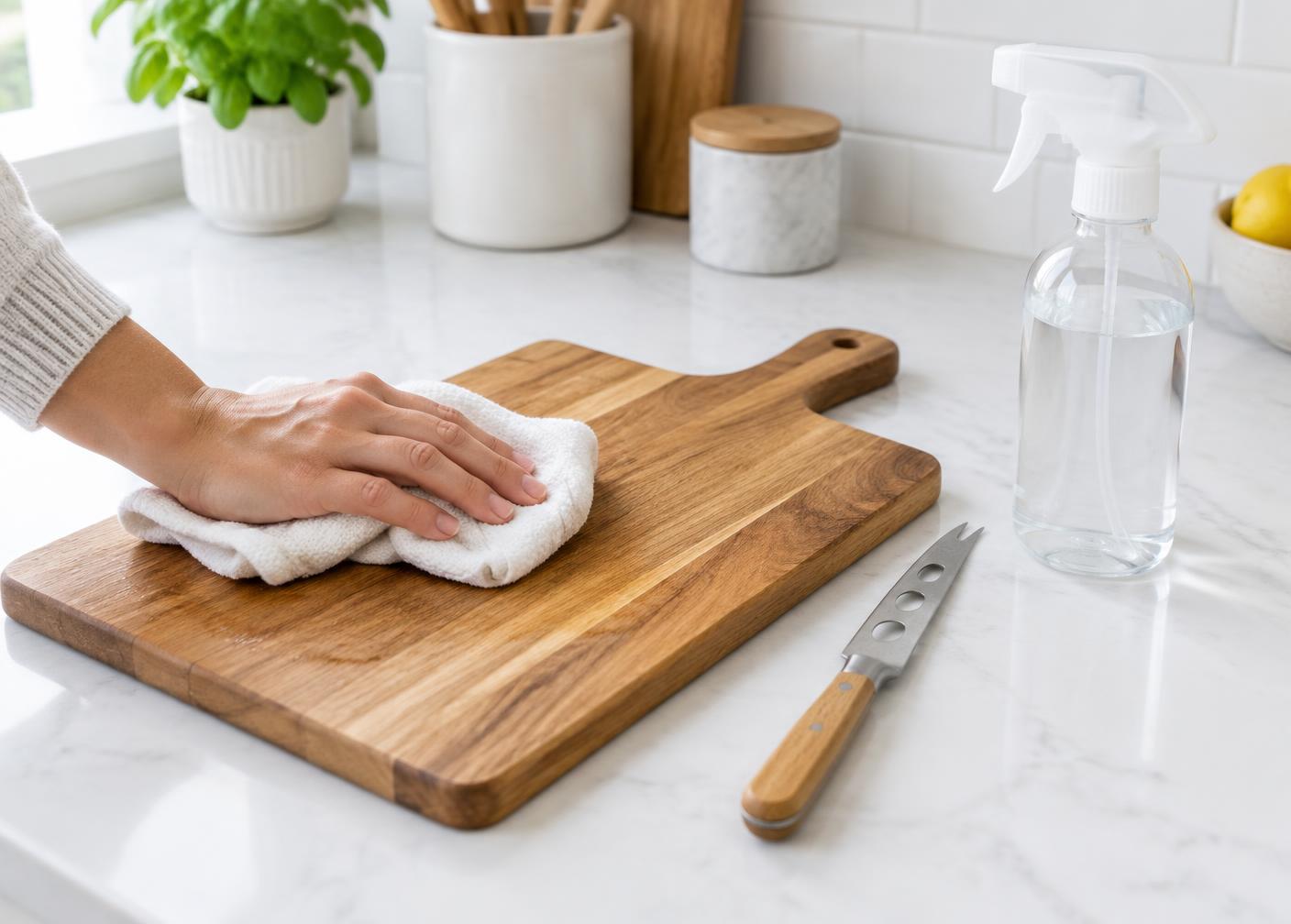
- <strong>Clean everything it touched.</strong> Wash and sanitize cutting boards, knives, containers, graters and fridge shelves.
- <strong>Restaurants and retailers:</strong> don't sell any repackaged portions, and remove the product from sale.
- <strong>Watch for symptoms.</strong> According to FDA, symptoms can start from a few days to nine days after eating contaminated food. They include severe stomach cramps, diarrhea (sometimes bloody), fever, nausea and vomiting. Call a doctor if you ate the cheese and feel sick, especially for a young child.
The outbreak, by the numbers
According to the CDC investigation update, 13 people in 9 states have been sickened as of September 25, 2026. That includes 8 people hospitalized (62 percent) and 3 people who developed HUS. The affected states are California, Colorado, Georgia, Kentucky, Michigan, Nevada, Oregon, Tennessee and Utah. CIDRAP reports that California and Nevada each have three cases, and the other seven states one each. FDA says all 9 of the sick people interviewed reported eating Graziers raw milk cheese.
CDC stresses that the true number of sick people is likely much higher, because many people recover without seeing a doctor and are never tested. Recent cases may also not be counted yet, since it usually takes 3 to 4 weeks to confirm whether a sick person is part of an outbreak.
| Measure (as of September 25, 2026) | Figure | Source |
|---|---|---|
| Total illnesses | 13 | CDC, FDA |
| States with cases | 9 | CDC, FDA |
| Hospitalized | 8 (62%) | CDC |
| Hemolytic uremic syndrome (HUS) | 3 | CDC, FDA |
| Deaths | 0 | CDC, FDA |
| Illness onset dates | July 7 to August 26, 2026 | CDC |
| Sick people who ate Graziers cheese | 9 of 9 interviewed | FDA |
| Recall initiated | September 24, 2026 | FDA |
Why "grass-fed" and "artisan" don't make raw milk safe
Grass-fed is a claim about what the cows eat. It says nothing about which bacteria end up in the milk. E. coli strains like O26 live in the guts of healthy cattle, whatever the cattle eat, and can get into milk during milking even on clean, well-run farms. Pasteurization (for example, heating milk to 161°F for 15 seconds) is designed to kill those germs before the milk becomes cheese. Raw milk cheese skips that step, so safety relies on everything else going right every time.
US rules allow raw milk cheese to be sold only if it has been aged at least 60 days at a temperature of 35°F or higher. The idea is that acid, salt and time make it harder for germs to survive. The rule dates to the 1940s. The honest problem with it: aging lowers the risk, but it doesn't reliably remove it, and this outbreak involved aged cheddar and jack cheeses. That's one reason we think most people should skip raw milk cheese entirely, and pregnant people, young children, older adults and anyone with a weakened immune system should always avoid it.
Raw milk vs. pasteurized cheese: what actually changes
| Raw milk cheese | Pasteurized milk cheese | |
|---|---|---|
| Heat treatment | None | Milk heated to kill pathogens |
| Main safety step | Aging 60+ days, hygiene | Pasteurization, plus hygiene and aging |
| Risk from E. coli, Listeria, Salmonella | Higher | Much lower (contamination after pasteurization is still possible) |
| Safe for pregnancy and young kids? | No | Generally yes, if properly stored |
| Flavor | Can be more complex | Many excellent aged cheeses are pasteurized |
How to shop for cheese safely (after this recall fades)
- <strong>Read the label.</strong> US cheese made from raw milk must say so. Look for "made with pasteurized milk" if you want the safer choice.
- <strong>Ask at the counter.</strong> Cheese counters and farmers market stalls can tell you whether a cheese is raw or pasteurized. If they can't, pass.
- <strong>Be extra careful with soft cheeses.</strong> Queso fresco and other fresh, soft cheeses, especially if unpasteurized, have a long history of <em>Listeria</em> outbreaks.
- <strong>Sign up for alerts.</strong> FDA and USDA publish recall alerts, and knowing about a recall early means less time with the product in your fridge.
If you're wondering why it feels like there's a new recall every week, we explained why there are so many food recalls in 2026. For another recent example of a raw product causing problems, see our coverage of the broccoli sprouts Salmonella recall. And for a more cheerful take on cheese, read about why chocolate and cheese work together. You can find more in Trending and under the recalls and food safety tags.
Frequently asked questions
Sources and further reading
- CDC: E. coli Outbreak Linked to Raw Milk Cheese, September 2026
- CDC: Investigation Update (September 25, 2026)
- CDC: Locations of sick people
- CDC: Outbreak timeline
- FDA: Outbreak Investigation of E. coli O26:H11, Raw Milk Cheese (September 2026)
- ABC News: E. coli outbreak linked to raw milk cheese brand
- CIDRAP: CDC confirms multistate outbreak of E. coli linked to raw milk cheese
Filed under
More from Trending
Did Dubai Chocolate Really Cause a Pistachio Shortage?
The viral bar did not single-handedly empty the world of pistachios. It landed at the worst possible moment, on top of a weak US harvest and messy Iranian supply, and that is why the crunch is real.
Hana Yoshida · · 8 min read
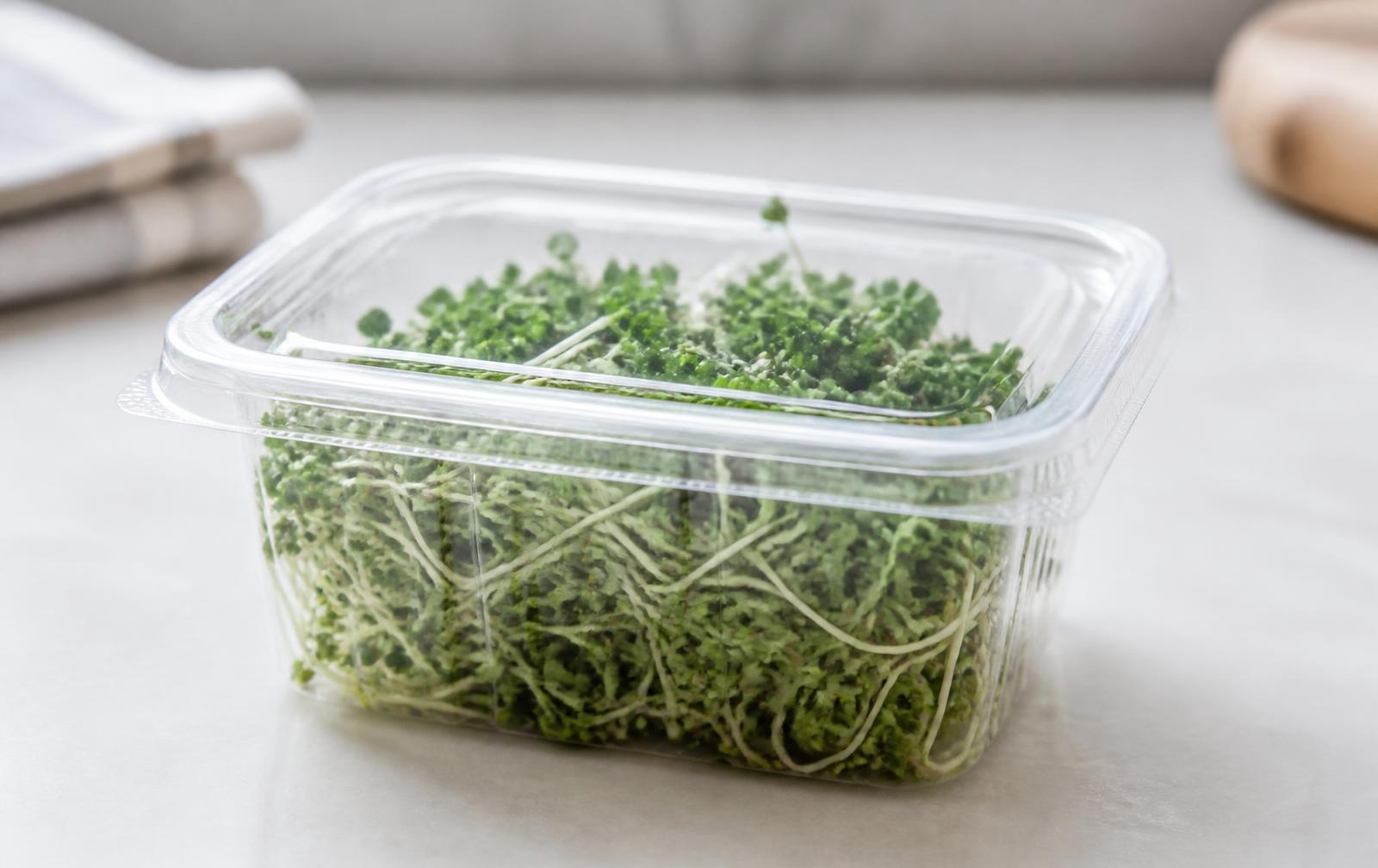
Broccoli Sprouts Salmonella Outbreak: What to Do With Yours
If you have Evergreen Fresh Sprouts broccoli sprouts, do not eat them. Here is the confirmed timeline, the affected states, and why raw sprouts keep showing up in outbreak investigations.
Priya Raman · · 8 min read
Soup Dumpling Lasagna: What It Is and Whether It Works
All the flavor of xiao long bao with none of the pleating. The trick is where you put the broth.
Hana Yoshida · · 8 min read