
Why People Are Lining Up for Hours for Potatoes and Frozen Yogurt
The queue is the product now. The food is almost beside the point.
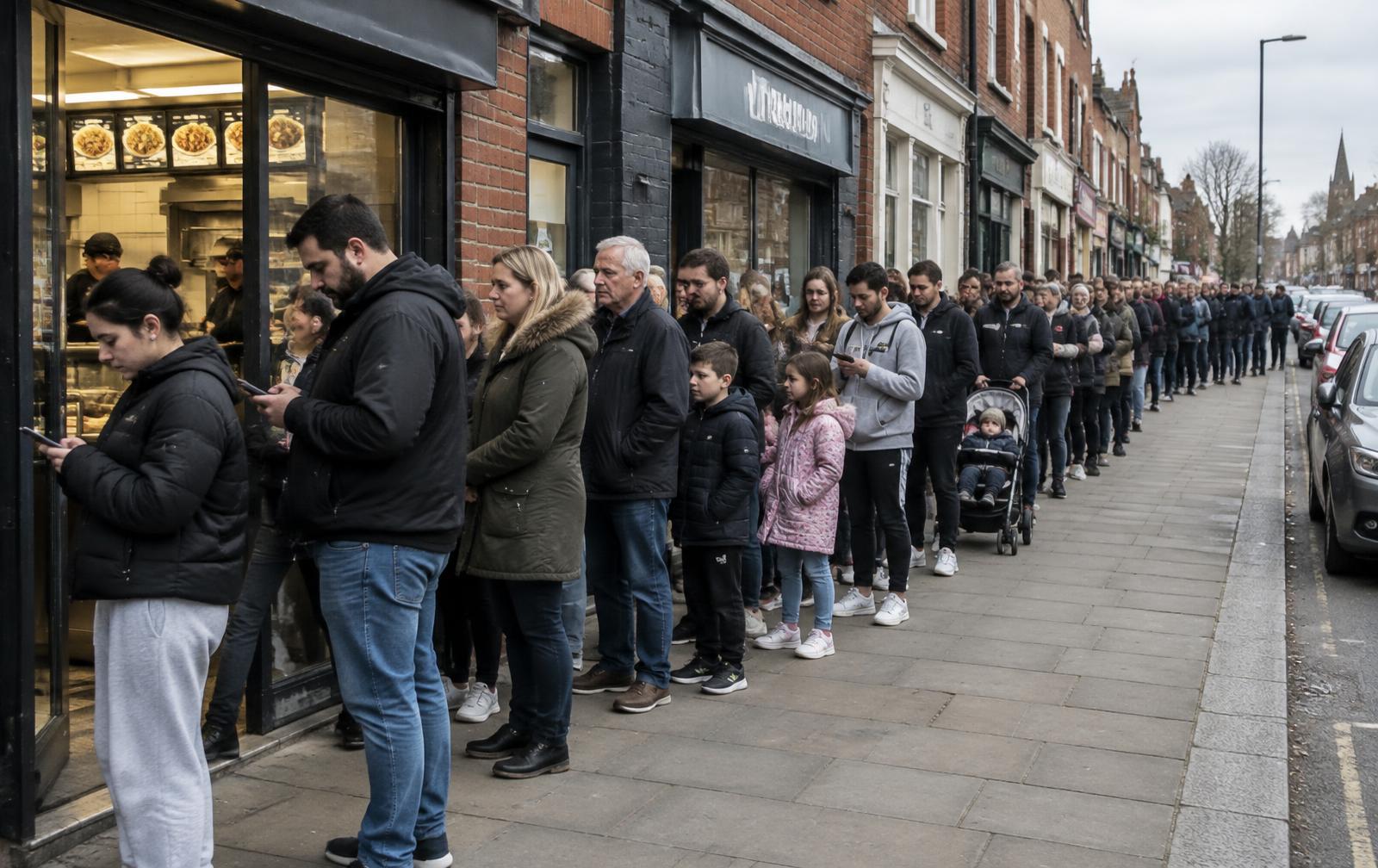
Before anything else, a safety note. The reporting behind this trend includes people fainting during summer heatwaves in bakery queues and others camping out for nearly 24 hours for a food launch. Operators themselves have said they would never advise waiting that long. Long periods of standing in heat carry real risks of dehydration, heat exhaustion and fainting, and dense crowds bring their own crush and crowd-management concerns. Nothing here is medical advice: if you do join a long queue, bring water, use sun protection, take breaks, and walk away if you feel unwell. We do not encourage overnight camping or standing for dangerous stretches for any meal.
With that said: something genuinely strange is happening on British high streets, and it is worth understanding, because the viral queue is less a food story than an internet story that happens to end with lunch.
What is actually being queued for
The headliners are almost comically ordinary. SpudBros, a jacket potato operation that started in Preston, built an audience of more than 1 million Instagram followers, per The Guardian, by filming enormous baked potatoes being loaded with butter, cheese, beans and gravy-adjacent toppings. Co-founder Jacob Nelson described scenes of 2,000 people in the queue and customers waiting almost 24 hours at peak events, figures he gave to The Guardian. In London, CZER reportedly sells around 400 caesar wraps a day at about £13 each. Yo-Chi, the Australian frozen yogurt import, charges £2.70 per 100g and has drawn roughly 30-minute waits, while The Dreamery, a small ice-cream shop, reportedly moves around 80 litres of ice cream a day in summer at around £5 a scoop, with waits of 20 minutes or more. All figures are as reported by The Guardian and have not been independently verified by Yumlore.
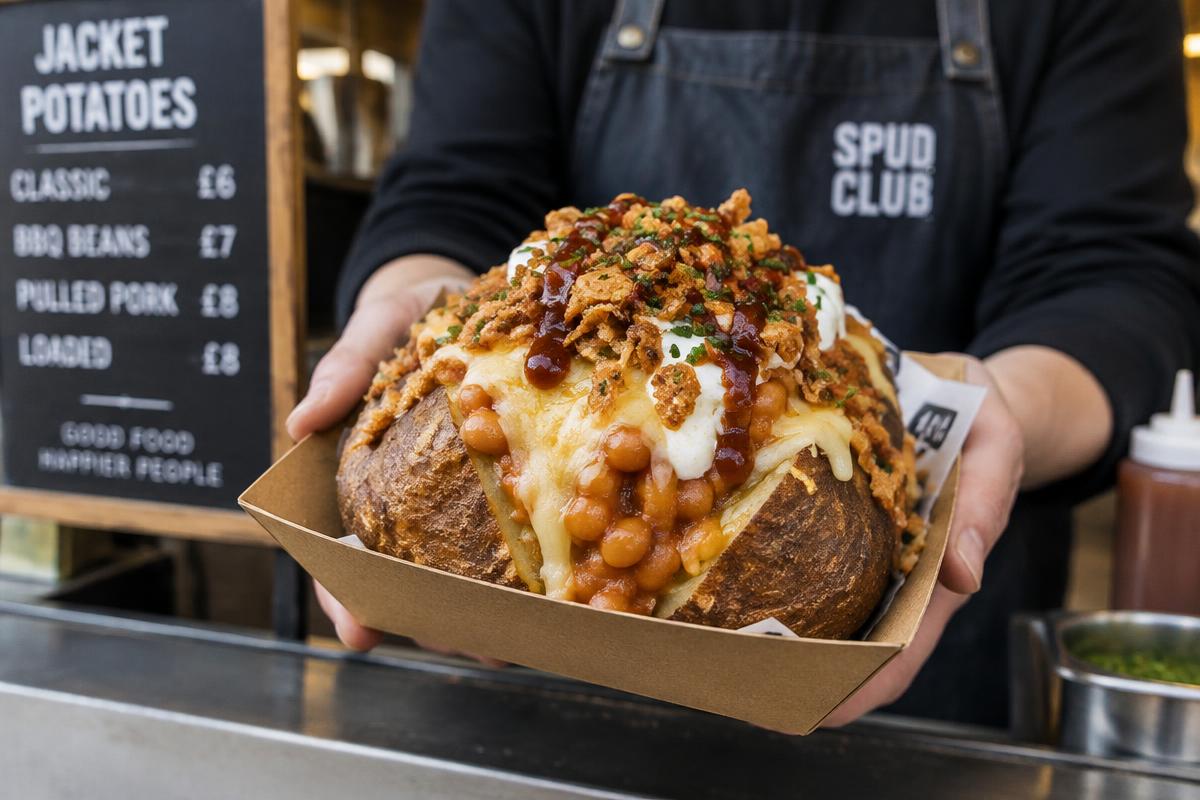
None of these are rare ingredients or technically demanding dishes. A jacket potato is, with respect, a potato. That is not an insult, it is the entire point: the food is familiar enough that anyone can want it, cheap enough that almost anyone can justify buying it, and photogenic enough to anchor a 15-second video.
The queue is the product
The mechanism is a loop. A creator films the queue, not just the food. The queue itself is the proof: all these people cannot be wrong. Viewers see the line, feel the fear of missing out, and join the next one, which makes the next line longer, which makes the next video more compelling. Social media platforms reward exactly this kind of footage, because a visible crowd signals that something important is happening and people keep watching to find out what.
This is classic social proof, the psychology principle that we judge value by what other people are doing, and it works even when we know it is being done to us. A two-hour line outside a potato stall tells the brain a story that no amount of advertising copy can buy. The businesses involved are often charmingly honest about this: the queue is content, the content is marketing, and the marketing produces the queue. The Guardian's reporting makes clear that the same dynamic cuts both ways for restaurants, bringing surges of attention and cash, then pressure, crowd problems and backlash when the algorithm moves on.
“A two-hour line outside a potato stall tells the brain a story that no advertising copy can buy.”
The notable queues, side by side
| Venue | City | Signature item | Reported price | Reported typical wait | Source |
|---|---|---|---|---|---|
| SpudBros | Preston (plus events) | Loaded jacket potato | Varies by event | Hours; nearly 24 hours reported at peak events | The Guardian |
| CZER | London | Caesar wrap | About £13 | Long queues; roughly 400 wraps sold a day | The Guardian |
| Yo-Chi | London | Self-serve frozen yogurt | £2.70 per 100g | Around 30 minutes | The Guardian |
| The Dreamery | London | Small-batch ice cream | Around £5 a scoop | 20 minutes or more | The Guardian |
The pattern repeats at smaller scale everywhere: independent bakeries with queues around the block, viral cookie shops, weekend-only ice-cream windows. The New York Times traced the jacket potato's particular grip on British social media, and the BBC has covered the wave of queue-driven food businesses spreading well beyond London, to Manchester, Sheffield and other cities.
Is the food actually better?
Here is the honest answer, and it is the verdict we will defend: mostly, no. The viral queue spots are generally good. SpudBros makes a genuinely generous, well-executed jacket potato, and Yo-Chi's frozen yogurt is a quality product. But good is the ceiling, not the floor, and the same money and appetite spent at a well-reviewed local spot with no queue will usually match or beat it. What the wait adds is not flavor. It is theater, anticipation, and a story you get to post. Context genuinely changes how food tastes: hunger, expectation and atmosphere all season a meal. That effect is real, and it is also available to you for free at any restaurant you have been looking forward to.
If you enjoy the energy of a crowd and the event of it all, that is a legitimate reason to go, the same way a concert queue is part of a concert. Just go in with clear eyes about what you are buying. For a different kind of hype test, see how we approached the miracle berry claims, or our ranking of every major pizza style, a food that has survived plenty of queue-driven hype cycles of its own.
How to decide if a viral food queue is worth your time
This trend will fade, but the next one is already forming, so keep this checklist for whatever comes after potatoes and frozen yogurt.
- Check what you are actually queueing for. Search recent, unfiltered reviews, not just the viral videos. If the consensus is that it is fine but the line is the attraction, believe the consensus.
- Set a personal time budget before you arrive. Decide in advance how long the experience is worth to you, and leave if the line blows past it.
- Go off-peak. Most viral spots have quiet windows, often weekday mornings, where the same food is available with a fraction of the wait.
- Ask whether a local equivalent exists. A great bakery, ice-cream shop or potato near you with no queue is usually the better meal.
- Never camp overnight or queue for dangerous stretches. No food is worth heat exhaustion or a night on a pavement, and the businesses themselves say so.
- If you go, go for the atmosphere. Treat it as an event with food attached, not a meal with a queue attached, and you will rarely be disappointed.
The psychology of why we line up
Three forces stack on top of each other. Social proof, as above, makes a crowd read as quality. Scarcity makes a product feel more valuable when it looks hard to get, even when the scarcity is just a slow service window. And the sunk cost effect means that once you have waited 45 minutes, leaving feels like losing something, so you stay, and the line grows, and the cycle feeds itself. None of this makes people stupid. It makes them human, and it makes the viral queue one of the most efficient marketing machines food has ever produced, which is why you will keep seeing it long after the jacket potato has had its moment.
For more on where this fits in the wider picture, browse our Trending coverage, or dig into related tags like viral food, street food and UK food. If the hype cycle has you craving something with a longer pedigree, our guide to the dishes worth traveling for in Japan is a good palate cleanser.
Video placeholder: the source reporting and the venues' own footage live on Instagram at @therealspudbros, @czerldn, @iloveyochi and @dreameryldn. We have not embedded their videos here because Instagram embeds require the platform's own player; follow the source links below to see the queues for yourself.
Frequently asked questions
Sources and further reading
Have you stood in one of these lines, and was it worth it? Tell us what you queued for and how long you waited.
Filed under
More from Trending
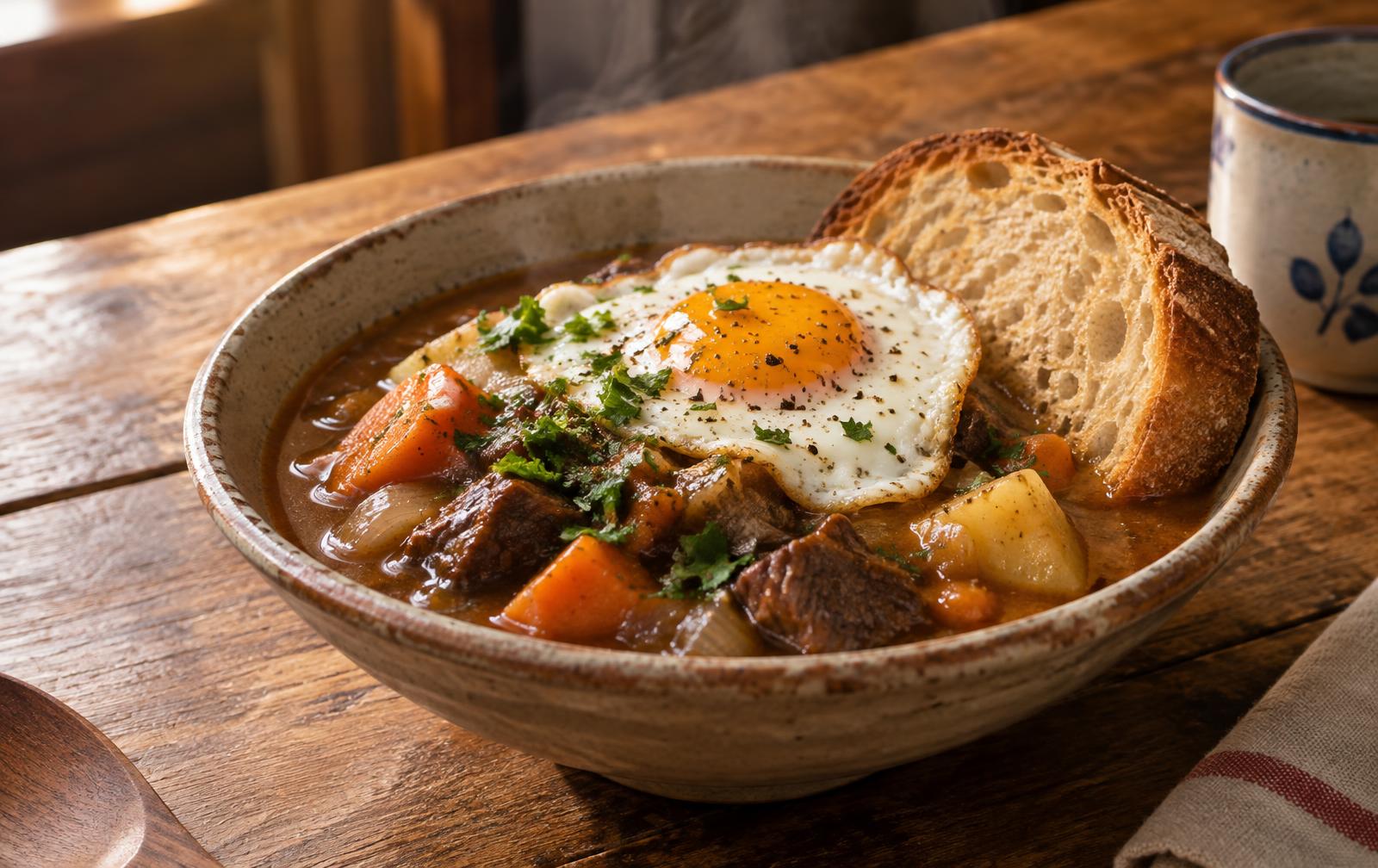
Every Meal Studio Ghibli Made You Desperately Want to Eat
No animation studio has ever made a fried egg look more like a religious experience.
Hana Yoshida · · 10 min read
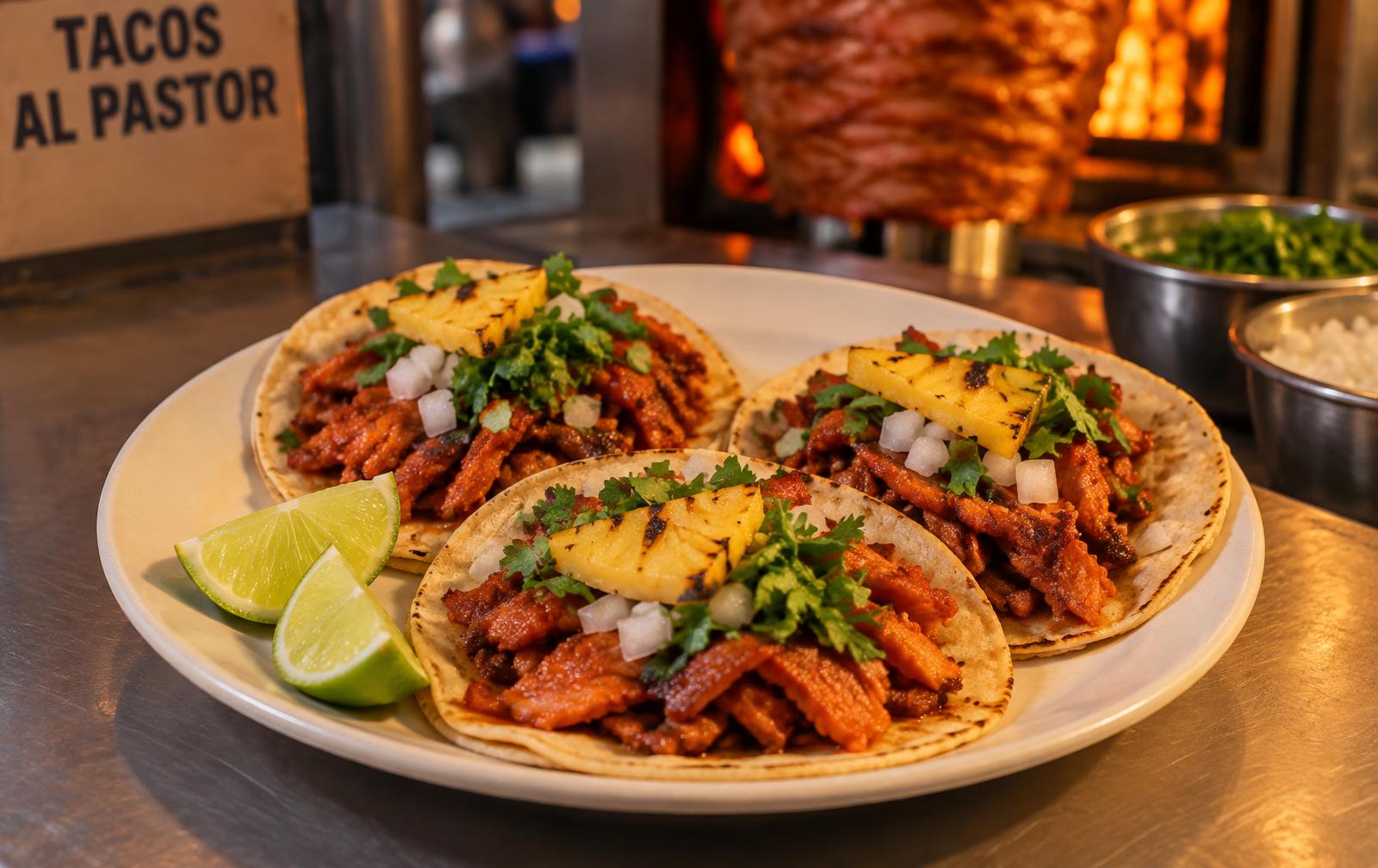
The 10 Dishes You Have to Eat in Mexico at Least Once
Ten Mexican dishes worth planning a trip around, with where each one is actually eaten, at what hour, and how likely you are to find a good version.
Ana Belmonte · · 13 min read
The 10 Dishes You Have to Eat in Japan at Least Once
Ten dishes that explain Japan better than any guidebook, chosen for flavour, regional pride, and whether a traveller can actually find them.
Hana Yoshida · · 12 min read