
Ranking Every Major Pizza Style From Worst to Best
Ten pizza styles judged on the same five criteria, ranked with conviction, including one call that will start arguments.
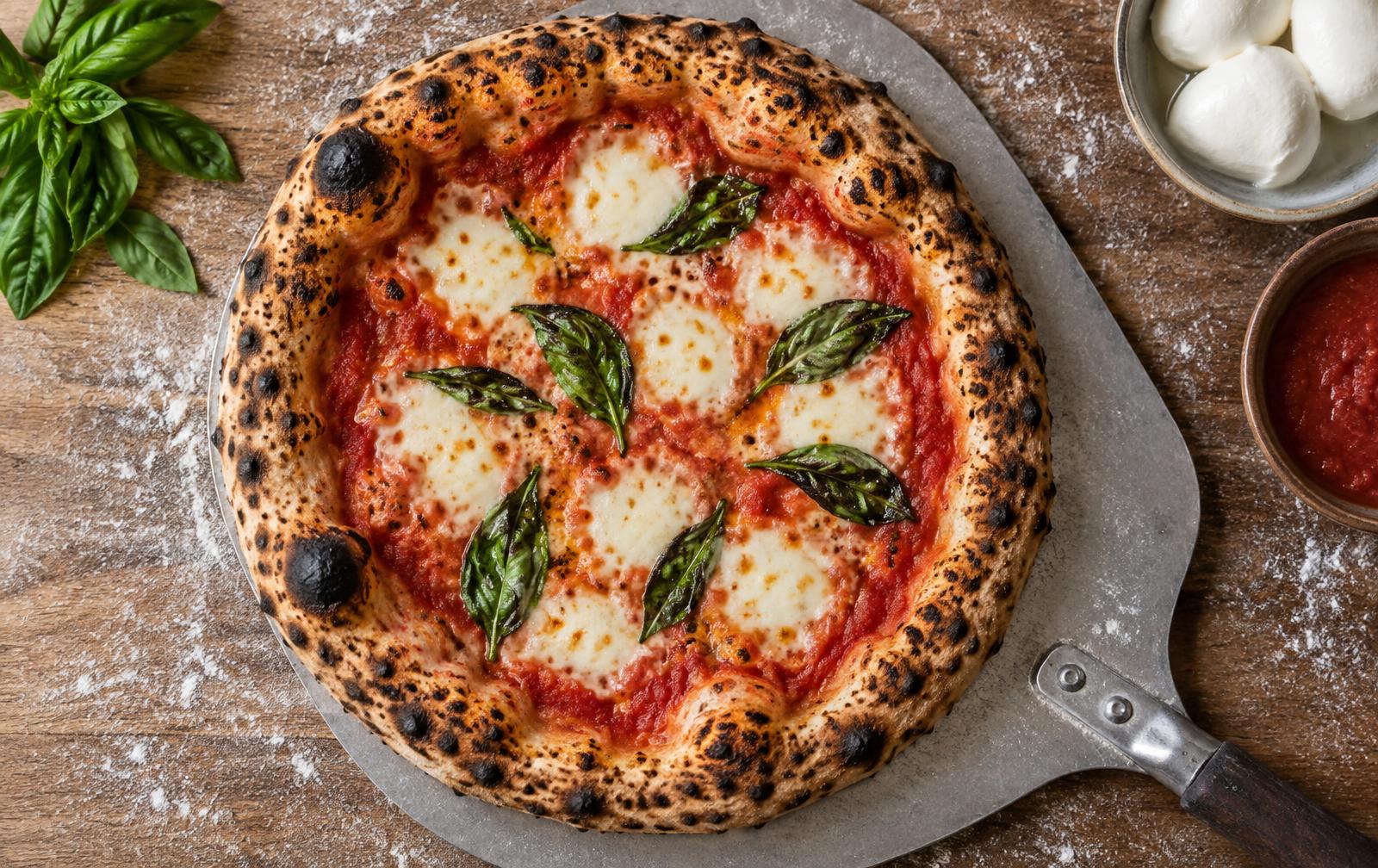
Every regional pizza style is really a solution to five specific problems: crust structure, sauce, how the cheese behaves under heat, slice integrity when you pick it up, and how the pizza survives being reheated the next day. Judged on all five, the ranking of pizza style from worst to best runs: Greek pan, St Louis, California, Chicago tavern, Sicilian, Chicago deep dish, Roman al taglio, New Haven apizza, New York, and Neapolitan at the top.
The criteria, stated up front
- Crust structure: does it hold its shape without going soggy or turning into a cracker with no chew at all.
- Sauce: balance of acidity and sweetness, and whether it's used with any restraint.
- Cheese behaviour: does it melt, stretch and brown properly, or turn greasy and separate.
- Slice integrity: can you actually pick it up and eat it without a plate, a fork, or a fold.
- Reheat: does a leftover slice the next day still taste like pizza or like a sad memory of one.
10. Greek pan pizza
Greek-American pizzeria pizza, baked in an oiled metal pan, produces a bottom crust that's more fried than baked, with a sweet tomato sauce and a cheese blend that often includes cheddar. It's genuinely nostalgic for people who grew up on it in New England, but judged coldly on the five criteria, the fried bottom fights the topping-to-crust ratio and the sauce is usually too sweet. Reheats fine because it was never delicate to begin with.
9. St Louis-style pizza
A cracker-thin crust cut into squares (party-cut) rather than wedges, topped with Provel, a processed cheese blend that never fully browns and barely stretches. It's beloved locally and it is fine as a snack food, but as pizza it struggles on cheese behaviour and slice integrity: squares this thin bend and snap rather than fold. This is the most arguable call on the list. St Louis natives will and should push back, since the format is intentionally different from mainstream pizza, closer to a flatbread cracker with toppings, and judged on its own terms it succeeds completely. Judged against the five pizza criteria here, it still lands near the bottom.
8. California-style pizza
A thin, often wood-fired crust topped with non-traditional combinations (barbecue chicken, goat cheese, arugula) popularised by Wolfgang Puck in the 1980s. The crust itself is usually solid, closer to Neapolitan in structure, but the category is so broad and topping-dependent that consistency suffers. On a good day it's excellent; on an average day the toppings overwhelm the crust and the sauce is often skipped entirely.
7. Chicago tavern-style (thin crust, party-cut)
Not to be confused with deep dish, this is Chicago's actual most-eaten style: a thin, cracker-like crust cut into squares, with cheese all the way to the edge. It handles reheat well and the crust has a satisfying snap, but it lacks the chew and structure that makes a great crust memorable. Solid, unglamorous, dependable.
6. Sicilian / sfincione
A thick, spongy, focaccia-like square pizza, traditionally topped with a robust tomato sauce, onions, herbs and sometimes anchovies, with cheese as an optional layer rather than the main event. The crust has real bready structure and a good chew, and it reheats beautifully because the thickness protects it from drying out. It loses points only on slice integrity, since a full square is a two-handed, occasionally fork-required affair.
5. Chicago deep dish
A thick, buttery, pie-crust-like base built up the sides of a deep pan, layered upside down with cheese first, then toppings, then a chunky uncooked tomato sauce on top. It is genuinely a different food, closer to a savoury pie than a pizza, and it succeeds enormously on its own terms: the crust structure is excellent, the sauce is bright and fresh-tasting, and a slice reheats well since the layers protect each other. It loses on slice integrity almost by design; you eat it with a knife and fork, and calling that a shortcoming is fair even from people who love it.
4. Roman al taglio
Rectangular, thick, extremely airy pizza baked in long trays and sold by weight, cut with scissors. The crust uses a very high hydration dough that produces a huge, open, almost bread-like crumb with a crisp bottom. It handles a huge range of toppings well, reheats better than almost anything on this list because the crumb structure holds moisture without going soggy, and it's endlessly snackable. It ranks just below the top tier mostly because the format (bought by weight, eaten standing) trades away some of the ceremony of a full pizza.
3. New Haven apizza
A charred, chewy, irregular crust cooked in a coal-fired oven, traditionally topped sparingly, with the white clam pie as its most famous variant. The char gives it a smoky bitterness that fans consider essential, and the crust structure is superb, thin but genuinely chewy rather than cracker-like. It ranks just outside the top two because it's the hardest style on this list to actually find outside a handful of Connecticut pizzerias, which matters when you're ranking a food people actually need to be able to eat.
2. New York-style
A large, thin, hand-tossed slice with just enough structural integrity to fold lengthwise without cracking or drooping, topped with a simple, slightly sweet tomato sauce and a modest layer of low-moisture mozzarella. It nails every single criterion at a solid A-minus rather than an A-plus: crust holds, sauce is balanced, cheese browns and stretches, the fold is the entire point of the slice integrity category, and a reheated slice in a dry pan is still genuinely good the next morning.
1. Neapolitan
The style every other pizza on this list is, in some sense, reacting to. Made with San Marzano tomatoes, fior di latte or buffalo mozzarella, and 00 flour dough fermented long enough to develop real flavour, then blasted for 60 to 90 seconds in a wood-fired oven at extreme heat. The result is a soft, leopard-spotted crust with a genuine chew, a bright, barely-cooked sauce, and cheese that melts into pools rather than an even sheet. Its one real weakness is portability: a true Neapolitan pie is often too soft in the centre to fold and doesn't reheat as well as a New York slice, since the whole point of the dough is to be eaten within minutes of leaving the oven. Even accounting for that, it wins on craft, balance and the sheer clarity of what it's trying to be.
| Style | Crust | Sauce | Cheese | Slice integrity | Reheat |
|---|---|---|---|---|---|
| Neapolitan | 9 | 9 | 8 | 5 | 5 |
| New York | 8 | 8 | 8 | 9 | 8 |
| New Haven apizza | 9 | 7 | 7 | 7 | 7 |
| Roman al taglio | 8 | 7 | 7 | 6 | 9 |
| Chicago deep dish | 8 | 9 | 8 | 3 | 8 |
| Sicilian / sfincione | 8 | 7 | 6 | 6 | 8 |
| Chicago tavern-style | 6 | 6 | 6 | 8 | 8 |
| California-style | 7 | 5 | 6 | 6 | 5 |
| St Louis-style | 5 | 5 | 4 | 4 | 8 |
| Greek pan pizza | 4 | 4 | 5 | 6 | 8 |
Overall score out of 50, combining all five criteria
points / 50
Neapolitan and New York separate from the pack mainly on crust and cheese behaviour, not on any single dramatic advantage.
Watch the deep dish argument play out
A surprising fact about the New York fold
The New York fold isn't just a habit, it's a direct response to the dough's hydration and gluten development: a properly made NY dough is strong enough to hold its shape when folded in half lengthwise, which lets the grease pool in the centre instead of running off the tip. Change the flour or the fermentation time and the same shape either cracks or goes limp. It's one of the few pizza traits you can test for yourself with a single fold. If you're curious how food scientists engineer these small structural details on camera, how food photographers fake ice cream covers a similarly precise, almost absurd level of food engineering.
“Every regional pizza style is an argument about what pizza is actually for.”
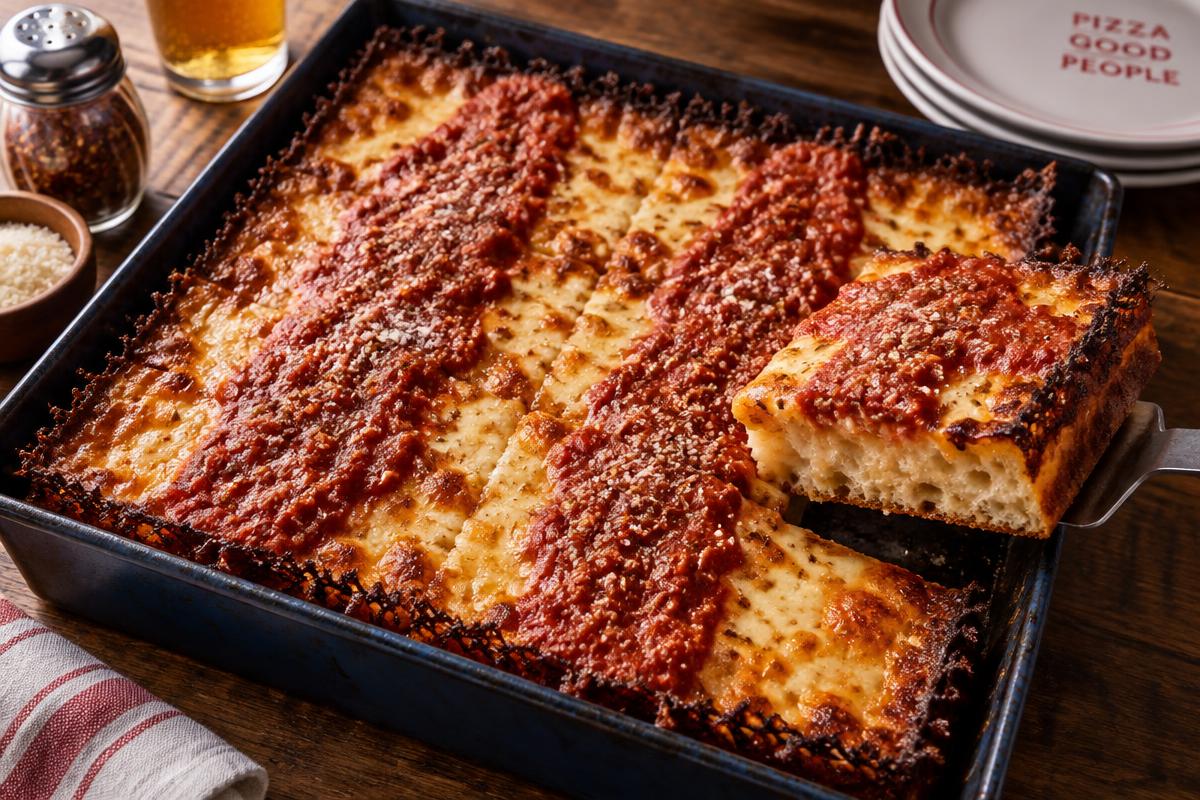
It's worth noting Detroit-style deserves its own mention even outside the numbered ranking: with its thick, focaccia-like crust, brick cheese pushed to the pan's edges for a caramelised frico border, and sauce striped on top after baking, it would likely land in the top four if we ran this list again next year. Pizza rankings like this pair naturally with other regional food debates, including regional dishes worth seeking out in Japan and the ongoing question of which cheese makes a cheap wine taste expensive, since both come down to how a handful of ingredients interact under specific conditions.
Frequently asked questions
Sources and further reading
Where would you slot Detroit-style in, and which regional style do you think we got wrong? Send us your own ranking and we'll run the strongest counter-argument in a follow-up.
Filed under
More from Rankings
The Most Overrated Fast Food Items, Ranked Honestly
Eight fast food items whose reputations have outrun their flavor, ranked on the same four criteria, with one call that will make Californians furious.
Marcus Delgado · · 11 min read