
What Miracle Berry Actually Does to Your Taste Buds
Miracle berry doesn't numb your tongue or trick your brain. A single glycoprotein hijacks your sweet taste receptor and turns acid into its trigger.
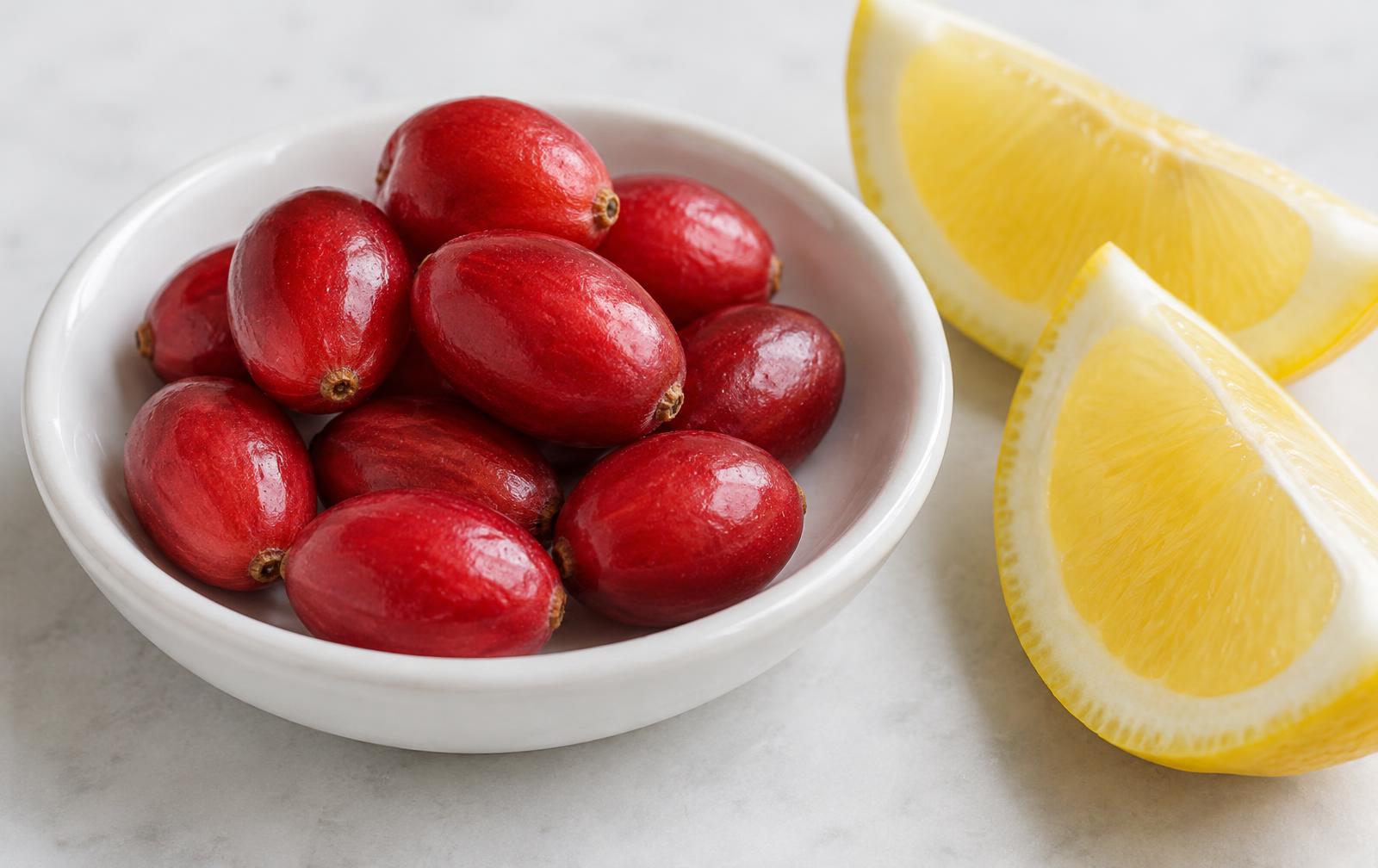
A miracle berry doesn't mask sourness and it doesn't dull your taste buds. It reprograms them, temporarily, so that acids taste sweet. Chew the small red fruit of Synsepalum dulcificum, wait a minute or two, then bite into a raw lemon, and it will taste like lemonade. The mechanism is a single glycoprotein called miraculin that clings to your sweet taste receptor and waits for acid to activate it. It's one of the cleanest, best-documented tricks in all of taste science.
How miraculin actually works on the receptor
Sweet taste is normally detected when a sugar molecule binds to the T1R2/T1R3 receptor complex on taste bud cells, triggering a signal your brain reads as "sweet." Miraculin binds to this same receptor, but at the neutral pH of your mouth between bites, it sits there quietly, producing little or no sweet sensation on its own.
The moment something acidic hits your tongue, citric acid from lemon, acetic acid from vinegar, lactic acid from yogurt, the drop in pH physically changes the shape of the receptor protein. With miraculin still attached, that conformational shift turns miraculin into a powerful agonist: it now activates the sweet receptor far more strongly than sugar would at an equivalent concentration. Researchers sometimes describe this as a pH-dependent "lock and key" switch, where acid is the key that only works while miraculin is already in the lock.
Crucially, your sour receptors (a completely separate family of taste cells, tied to ion channels that detect hydrogen ions) are untouched. That's why the lemon still tastes tart underneath the sweetness rather than becoming pure sugar water. You're tasting two accurate signals, real acid and phantom sweetness, layered on top of each other.
What actually changes, and what doesn't
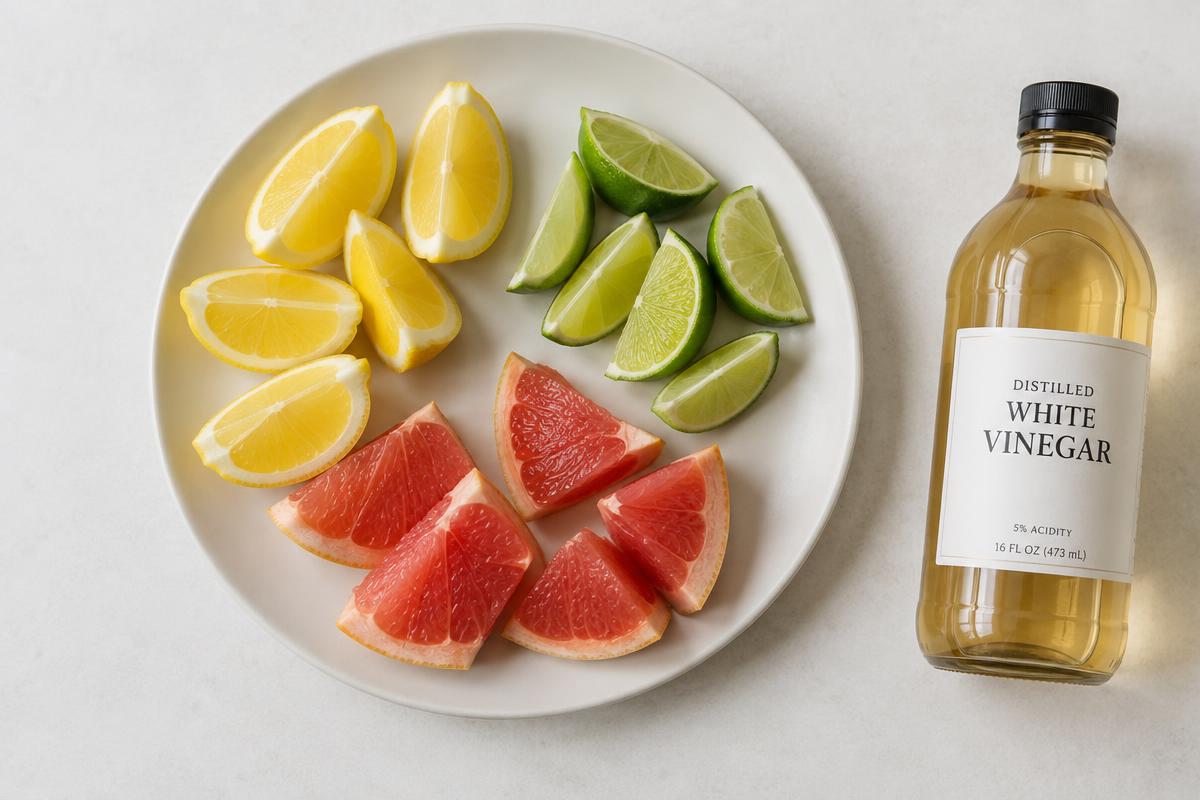
Sour foods taste sweet. Already-sweet foods often taste more intensely sweet, even cloying, because the effect stacks with real sugar. Salty and bitter tastes are largely unaffected, which is why a miracle-berry lime doesn't magically become a completely different food, it becomes a sweet-and-sour lime, distinct from actual candy.
The effect is also temperature-sensitive: miraculin is a protein, and heat denatures it the same way heat denatures egg white, which is why miracle berry only works with fresh or freeze-dried fruit and tablets kept cool, never with anything that's been cooked or heavily processed. Duration is typically 15 to 60 minutes depending on how much miraculin you consumed and how much acidic food you eat afterward (each acidic bite "reactivates" the effect until the miraculin is finally washed away or broken down by enzymes in saliva).
Flavor-tripping parties
This mechanism is the entire premise of "flavor tripping" parties, a genuine subculture that had a notable media moment in the late 2000s: guests chew a miracle fruit tablet or berry, then work through a spread of foods chosen specifically for their acidity, straight lemons, limes, vinegar shots, plain Greek yogurt, goat cheese, hot sauce, sometimes beer or stout, which develops a strange chocolate-milkshake quality [1](https://www.youtube.com/watch?v=0sbGg31RJ3w). The appeal is straightforward: it turns a bowl of foods most people would never eat plain into something closer to dessert, at zero added sugar.
The novelty is also why miracle berry occasionally surfaces in more serious contexts. If you enjoyed the pizza ranking on how different pizza styles stack up, this is the same instinct, systematically testing how a single variable changes an entire eating experience, just applied to receptor biology instead of crust.
The chemotherapy research, and why it's still early
Chemotherapy frequently causes taste distortion, including a persistent metallic or bitter background taste that makes food unappealing and can worsen nutrition during treatment. Because miracle berry can make food taste sweeter and mask some off-notes without adding sugar, several small studies and pilot trials have investigated whether it might help chemotherapy patients enjoy food again and maintain better nutritional intake.
It's important to be precise about the evidence here: this research is preliminary. Sample sizes in published pilot studies have generally been small, and results have been mixed on how consistently the effect helps versus how much individual patient variation there is. It is a genuinely promising, actively studied area, not an established clinical treatment, and nobody should treat miracle berry as a substitute for medical nutrition therapy during cancer treatment.
| Food | Normal taste | After miracle berry |
|---|---|---|
| Raw lemon | Sharply sour | Sweet, like lemonade, still slightly tart |
| Plain Greek yogurt | Tangy, mild | Cheesecake-like sweetness |
| Straight vinegar | Harsh, acidic | Sweet and tart, apple-cider-like |
| Goat cheese | Tangy, sharp | Milder tang, custard-like sweetness |
| Stout beer | Bitter, roasted | Chocolate milkshake quality |
| Table sugar | Sweet | Barely changed, sometimes more intense |
Strength of the sweetening effect over time after chewing miracle fruit
relative effect strength (qualitative, 0-10)
Based on commonly reported timelines from flavor-tripping accounts and small taste-science studies; individual duration varies with dose and diet.
Why this matters beyond the novelty
Miracle berry is one of the few places where you can directly feel a receptor mechanism at work rather than just read about it, which is part of why it keeps resurfacing at dinner parties and in food-science classrooms alike. It's a genuinely useful teaching tool for how taste is a receptor-level, chemistry-driven process rather than something purely subjective, a theme that shows up again in why cilantro tastes soapy to some people, where genetics shapes perception just as directly.
Frequently asked questions
Sources and further reading
If you've tried a flavor-tripping party, the food that surprised you most is usually the most telling one, tell us what changed the least the way you expected.
Filed under
More from Science
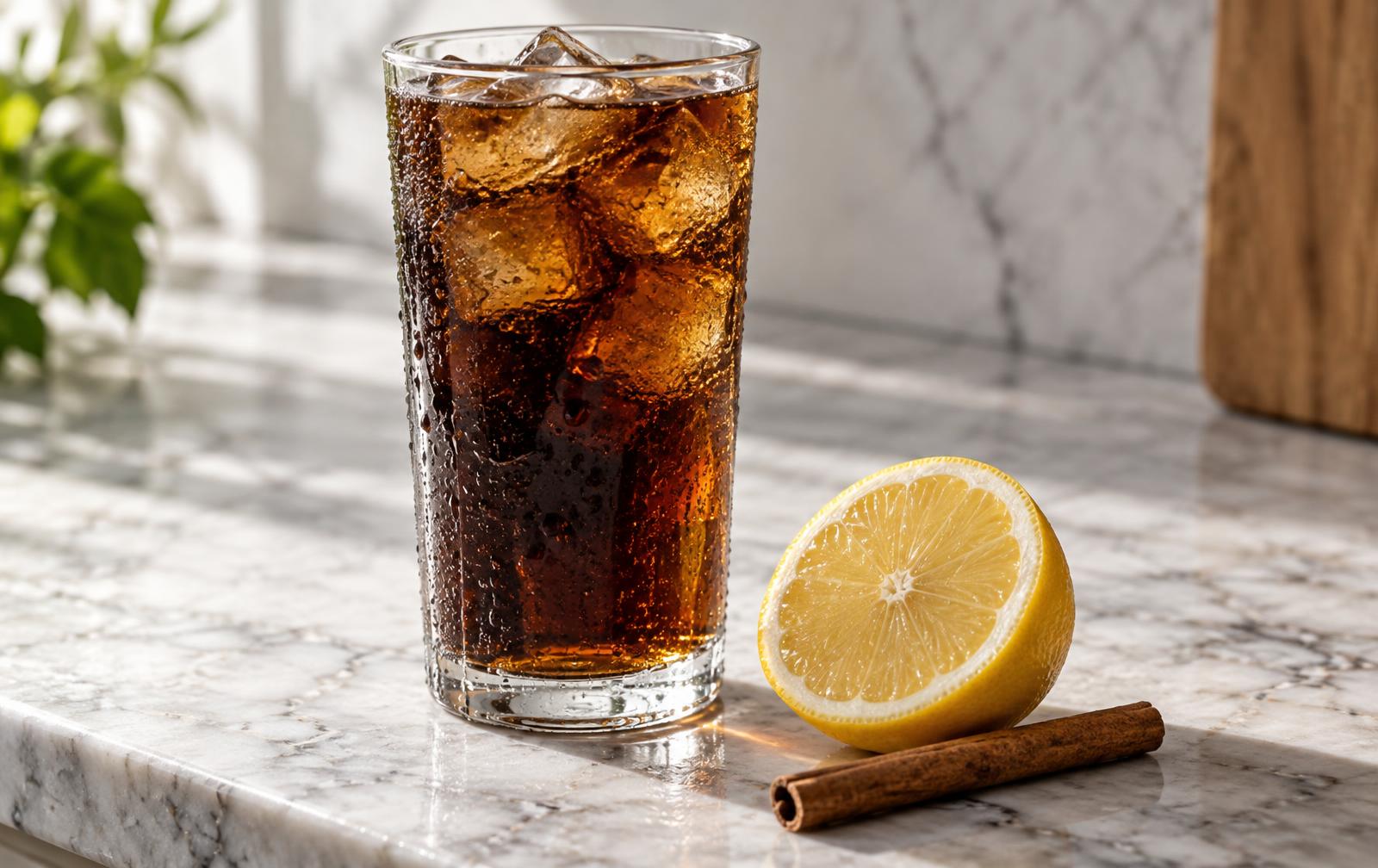
Why Lemon and Cinnamon Together Taste Like Cola
It is not a coincidence and it is not magic. Lemon and cinnamon taste like cola because cola was built from citrus oils and warm spice in the first place.
Tomás Reyes · · 10 min read
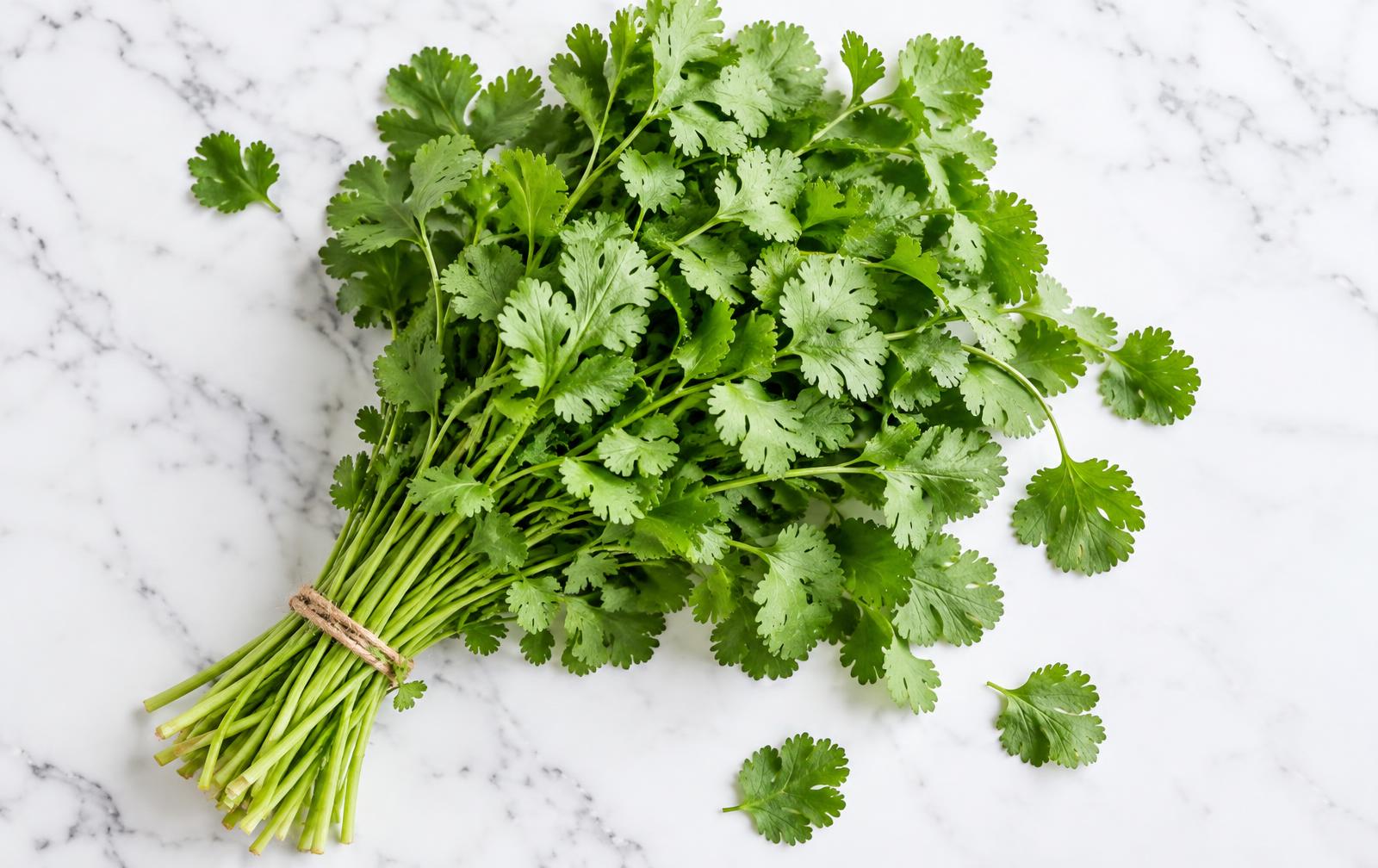
Why Cilantro Tastes Like Soap to Some People
It's not pickiness. Cilantro and soap really do share aroma chemistry, and a specific stretch of DNA near a smell-receptor gene explains part of why some people notice it and some don't.
Clara Bennett · · 9 min read
How Food Photographers Make Ice Cream That Never Melts
That flawless scoop under hot studio lights usually isn't ice cream at all. It's decades of styling tricks, from mashed potato to dyed shortening, and a modern pivot back toward the real thing.
Clara Bennett · · 10 min read